Women’s Heart Health: Why It’s Different

Heart disease is the leading cause of death in women, yet it’s frequently missed and undertreated. Here’s why women’s hearts are different, and what that means for you.








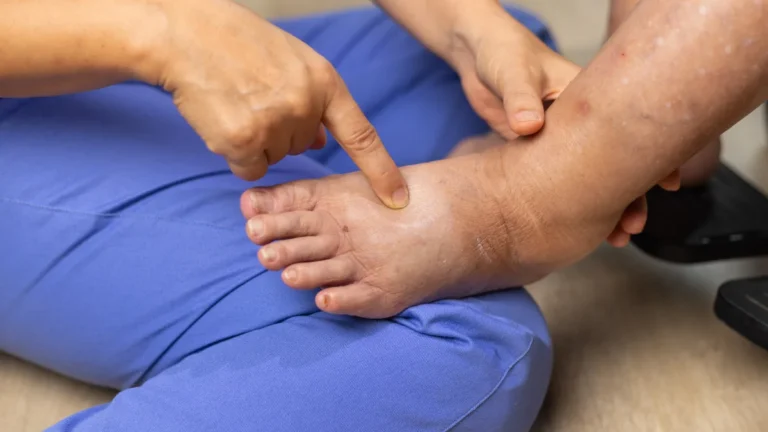
Heart disease is the leading cause of death in women, yet it’s frequently missed and undertreated. Here’s why women’s hearts are different, and what that means for you.

Traditional cardiology treats heart disease after it appears. Geroscience asks a more fundamental question, why does ageing itself make us vulnerable, and can we change that?

Waking with a dull headache that clears within an hour is a recognised symptom of sleep apnoea, a condition that is dramatically under-diagnosed and carries significant cardiovascular consequences.

Walking is free, requires no equipment, and the evidence for what it does for your heart is genuinely impressive. Here is how much you need and why it works.
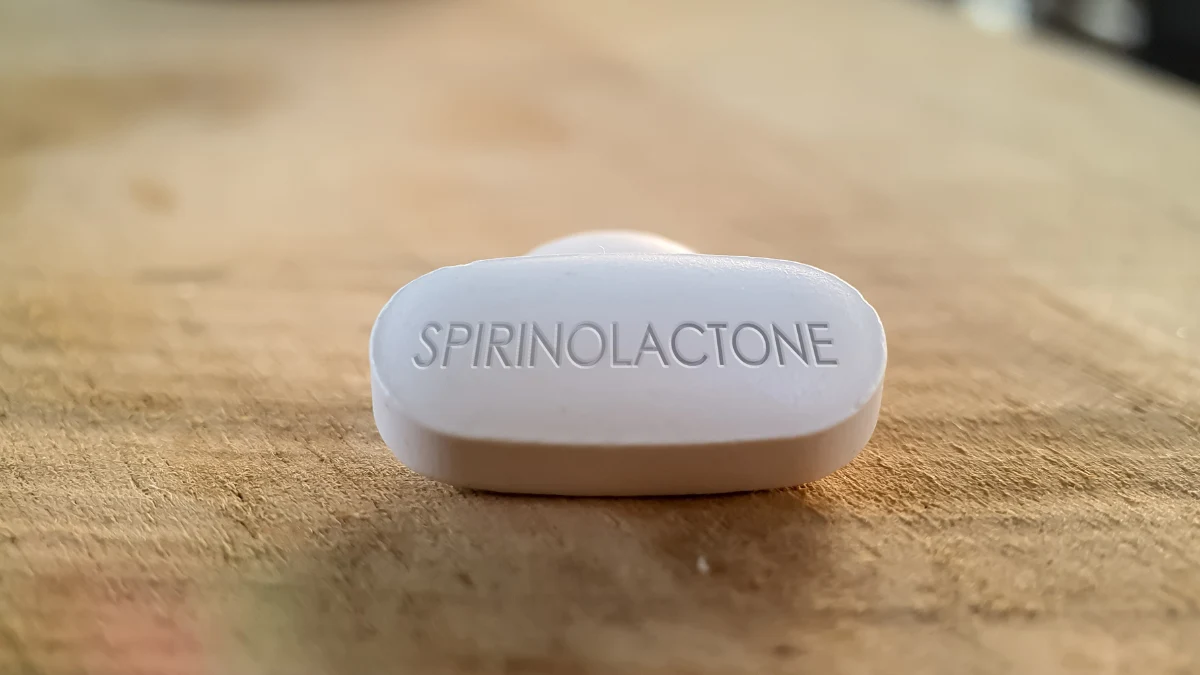
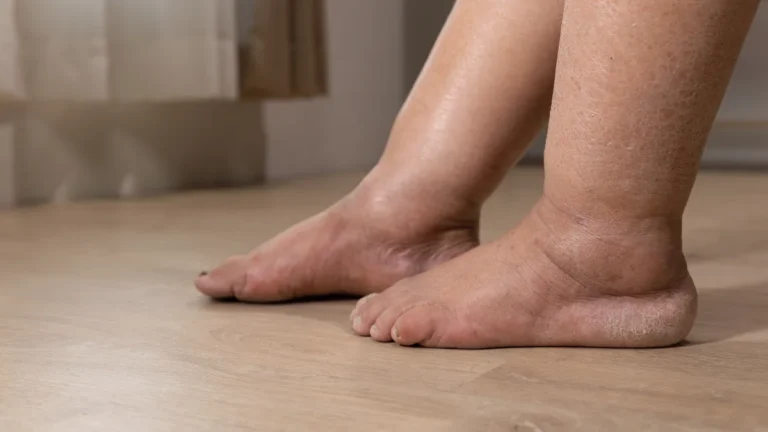
Spironolactone is one of the most versatile medicines in cardiovascular care, helping manage heart failure, blood pressure, and fluid retention. Here is how it works.
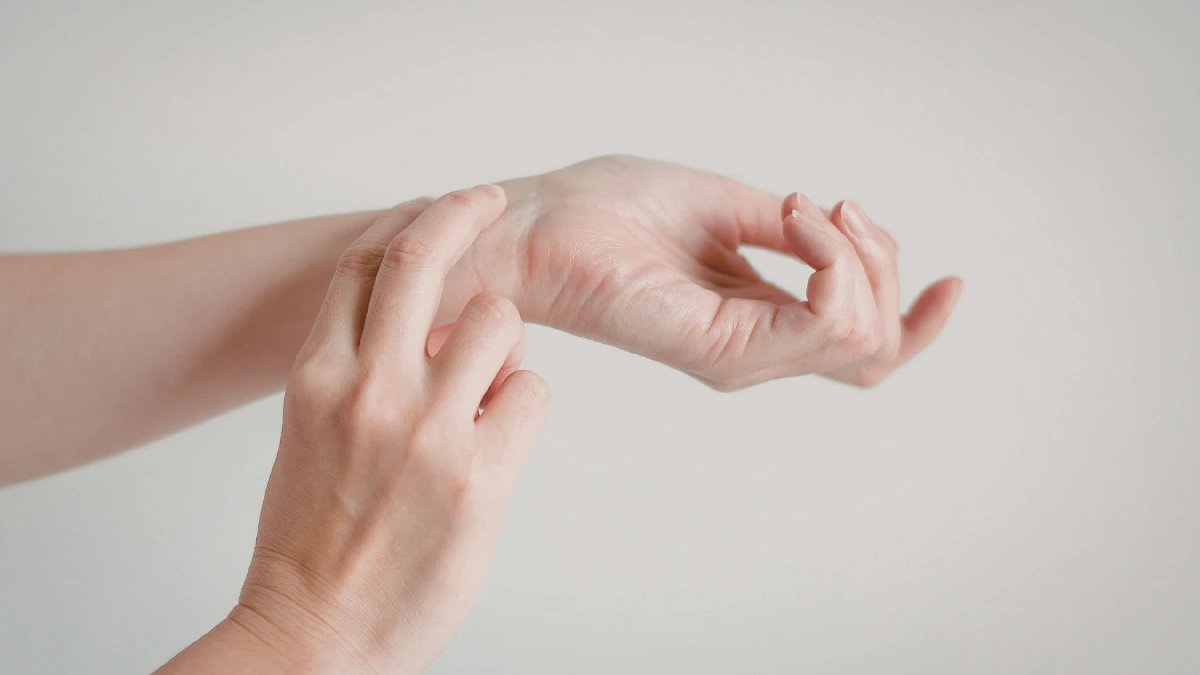
A slow heart rate is often a sign of good fitness, but bradycardia can also reflect underlying electrical disease that needs attention. Here is how to tell the difference.

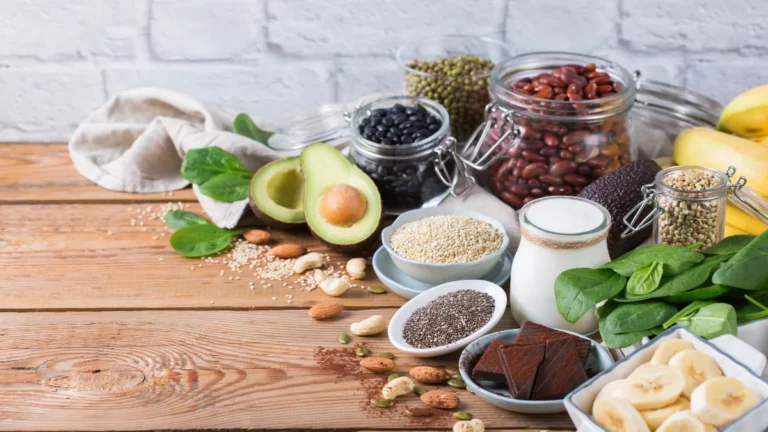
Magnesium is involved in hundreds of processes in the body, including several that directly affect your heart. Here is what the evidence shows and who may benefit most.

Takotsubo feels exactly like a heart attack, but the coronary arteries are open, and in most cases the heart recovers completely within weeks. Here is why the coronary arteries are open, and why the heart almost always recovers.

Smoking is one of the most significant risk factors for heart disease, but quitting at any age brings real and measurable benefits. Here is what the evidence actually shows.