Cold Hands and Feet: Causes, Circulation and What to Watch For

Cold hands and feet are usually nothing to worry about. Here’s how to tell when it’s worth mentioning to your doctor.







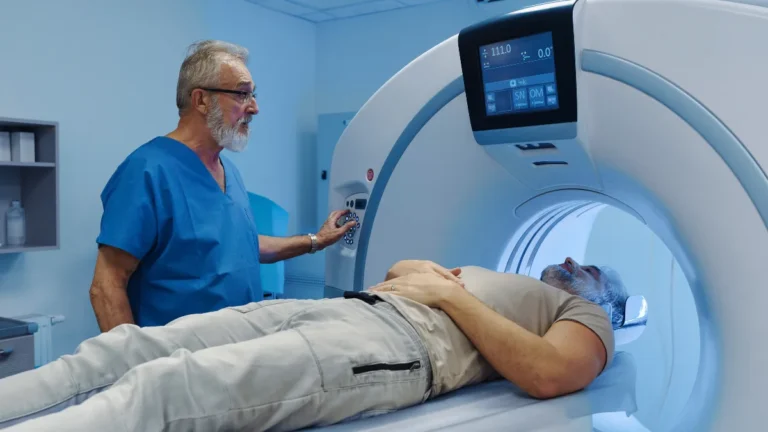
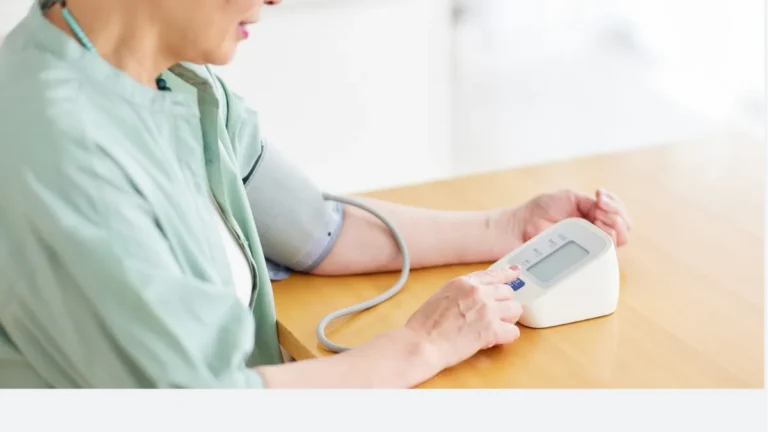
Cold hands and feet are usually nothing to worry about. Here’s how to tell when it’s worth mentioning to your doctor.

Ventricular tachycardia is a fast heart rhythm originating in the lower chambers of the heart. With the treatments available today, most people do very well.

POTS causes the heart rate to surge on standing — bringing dizziness, palpitations, brain fog, and fatigue that ease on lying down. Real, measurable, and very treatable.

A nasal spray that can stop SVT episodes at home has shown promising trial results. Here’s how it works and who it might help.

Most cardiac exercise advice focuses on walking and cardio, but resistance training deserves equal attention. Here is why building muscle matters for your heart.

Needing extra pillows to sleep comfortably is not a trivial habit, it is one of cardiology’s most specific symptoms of elevated cardiac filling pressure. Here is what it means.

A new treatment uses RNA technology to lower blood pressure with a single injection every six months. Here is what the early evidence shows and what it means for patients.
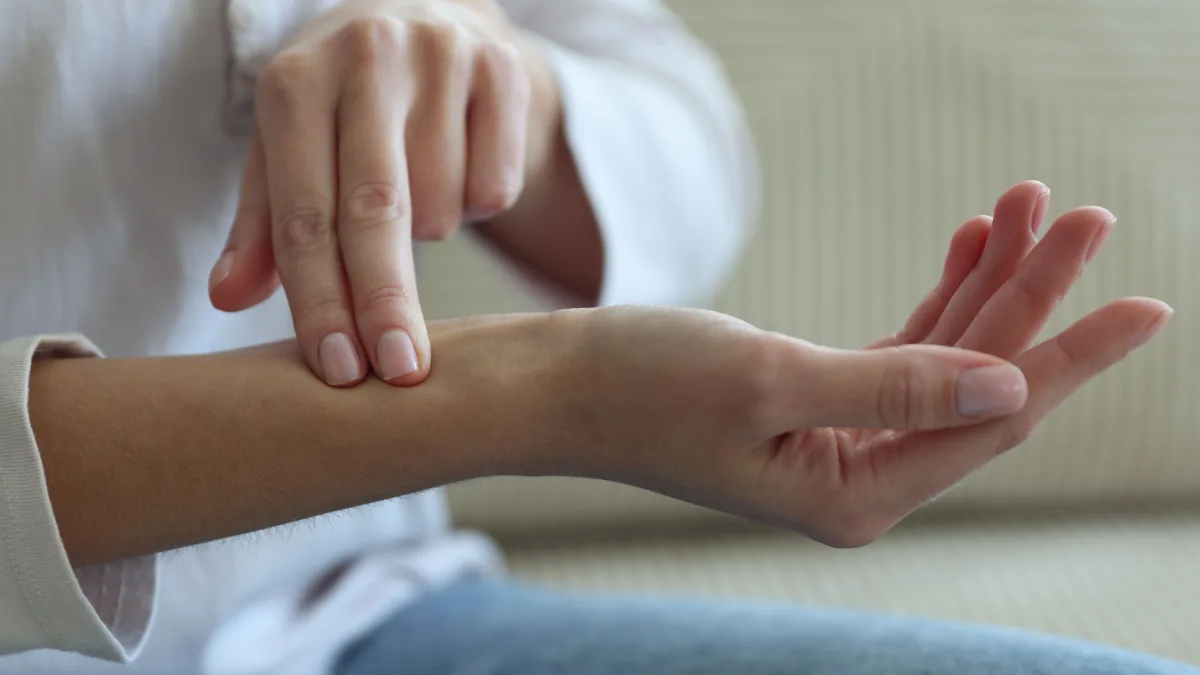
Atrial fibrillation is one of the most common heart rhythm disorders, and one of the most important to manage well. Here is what AF is and how it increases stroke risk.
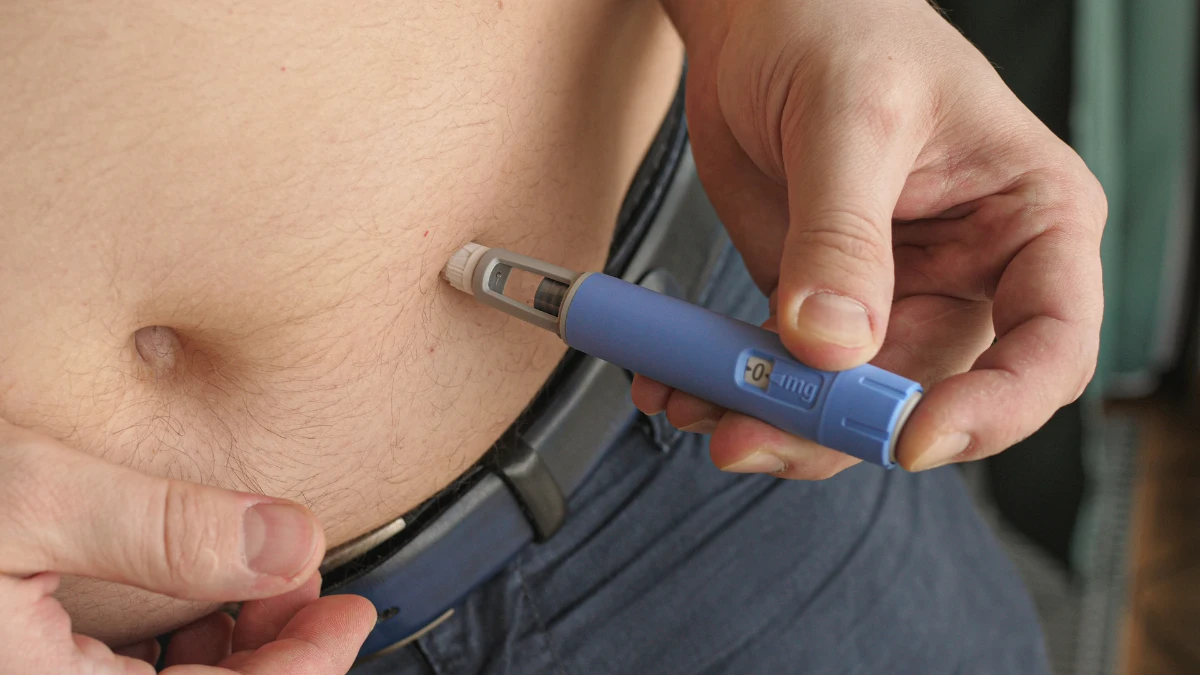
Injectable semaglutide has moved from diabetes medicine to one of the most significant cardiovascular prevention advances in a decade. Here is what the major trials actually show.