The Stress Echocardiogram: What to Expect
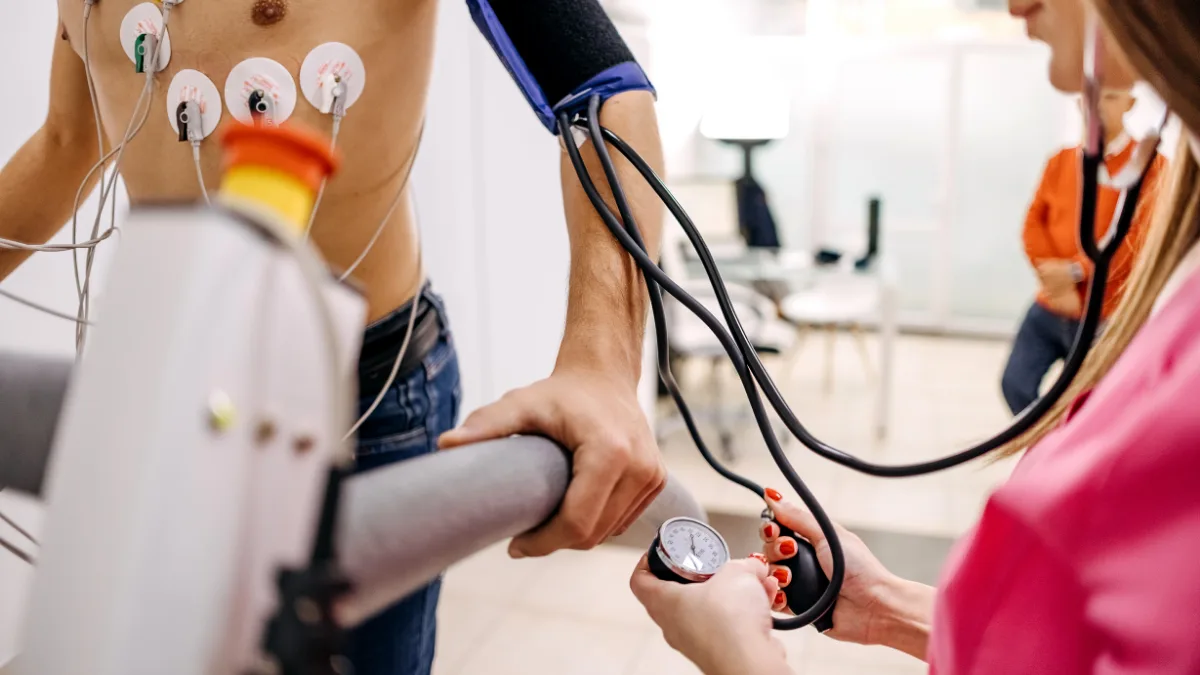
A stress echocardiogram combines an ultrasound of the heart with an exercise challenge, revealing how the heart performs under pressure, not just at rest.

Try a different term — or browse our most popular topics below.
A stress echocardiogram combines an ultrasound of the heart with an exercise challenge, revealing how the heart performs under pressure, not just at rest.

Hearing you need a triple bypass is alarming, but the number describes how many arteries were rerouted, not how dangerous the operation is. Understanding what it means can make one of the most daunting conversations in cardiac surgery far less frightening.
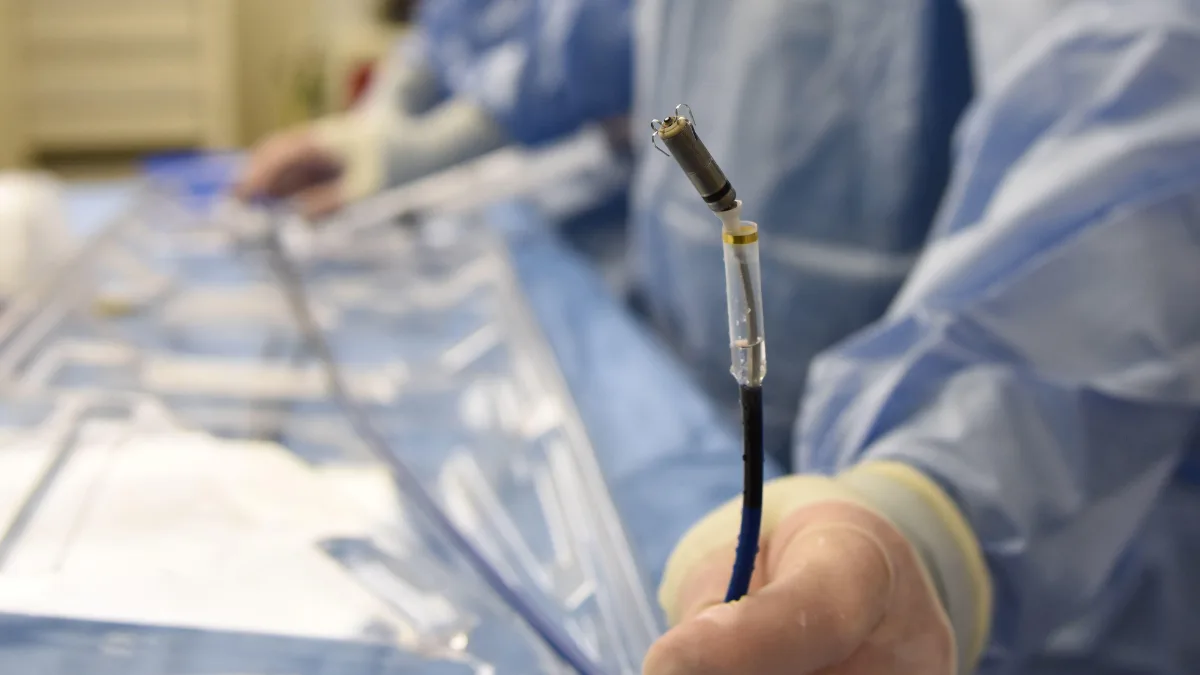
Leadless pacemakers offer a promising alternative to traditional devices, no leads, no chest wound. Here’s how they work.

High blood pressure often has no symptoms, but small changes to lifestyle, supplements, and medication can make a real difference.

One of the most influential cardiologists of the modern era, Professor Patrick Serruys helped shape the treatments, from drug-eluting stents to TAVI, that save lives today.
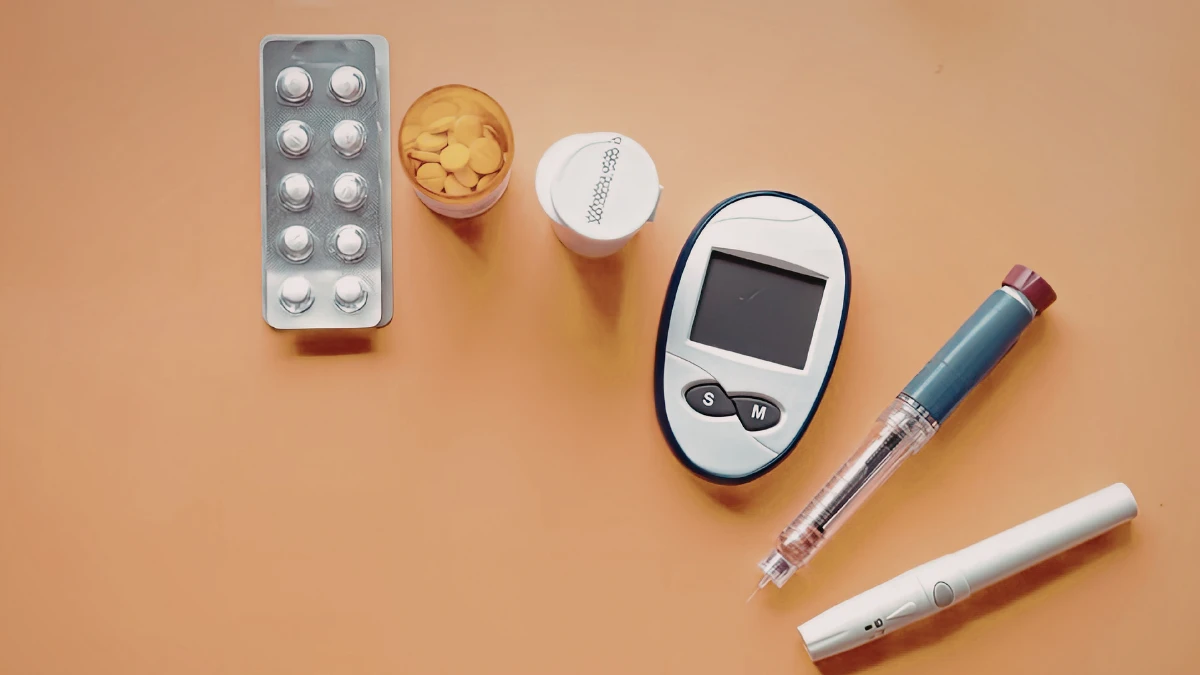
Ozempic is well known, but for patients who prefer not to inject, the tablet form offers a genuine alternative. Here is how oral semaglutide works and what to expect.

Cardiothoracic surgeon Prof Jai Raman explains what coronary artery bypass grafting (CABG) involves, who needs it, how it compares to stenting, and what to expect from surgery and recovery.
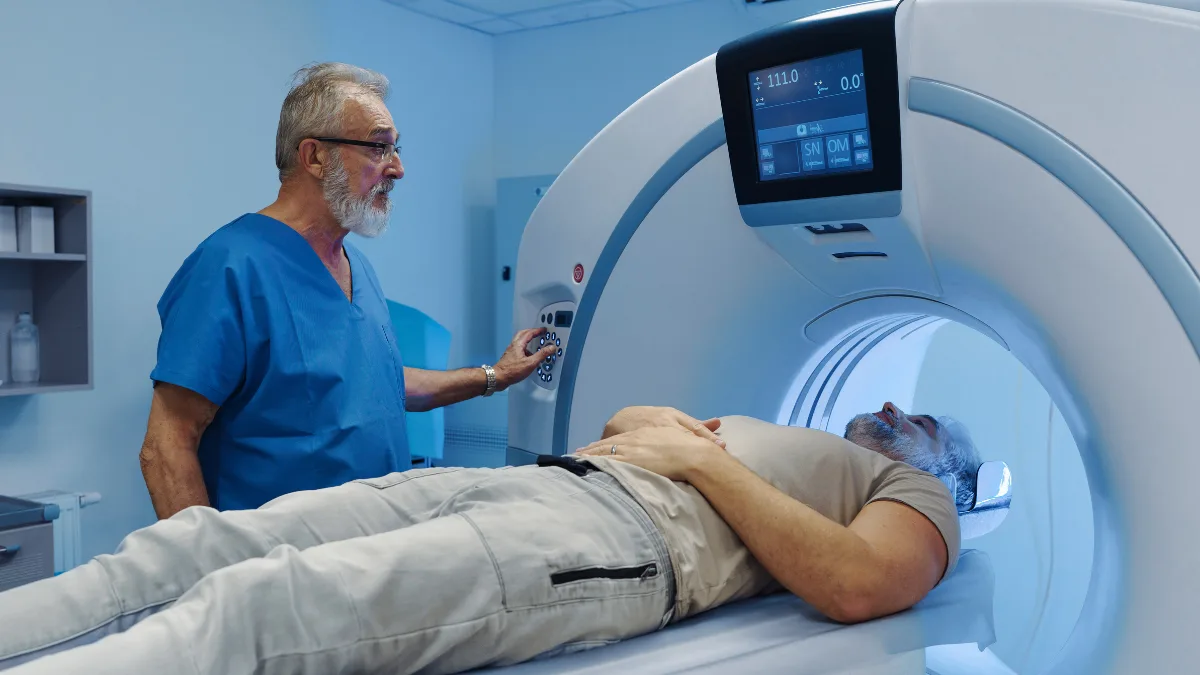
The coronary calcium score is one of the most powerful tests in preventive cardiology, and one of the most misunderstood. Here is what the scan involves and what the result means.
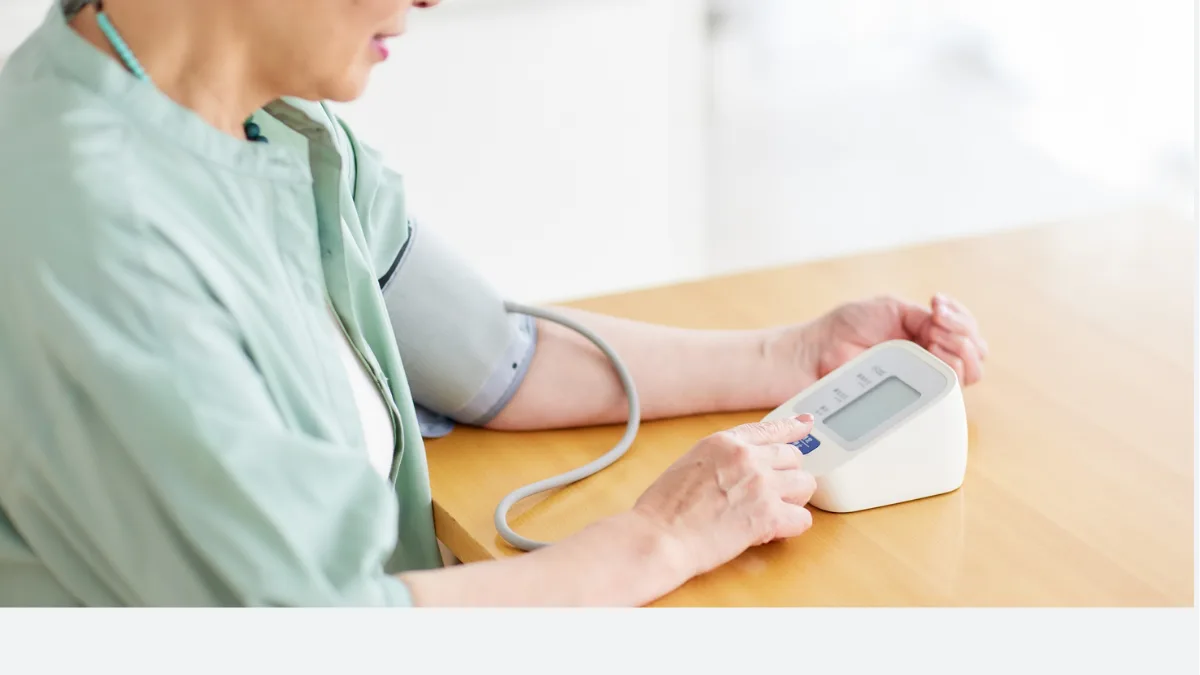
High blood pressure produces no symptoms, which is precisely why monitoring is the only reliable way to detect it. Here is what the numbers mean and when to act.