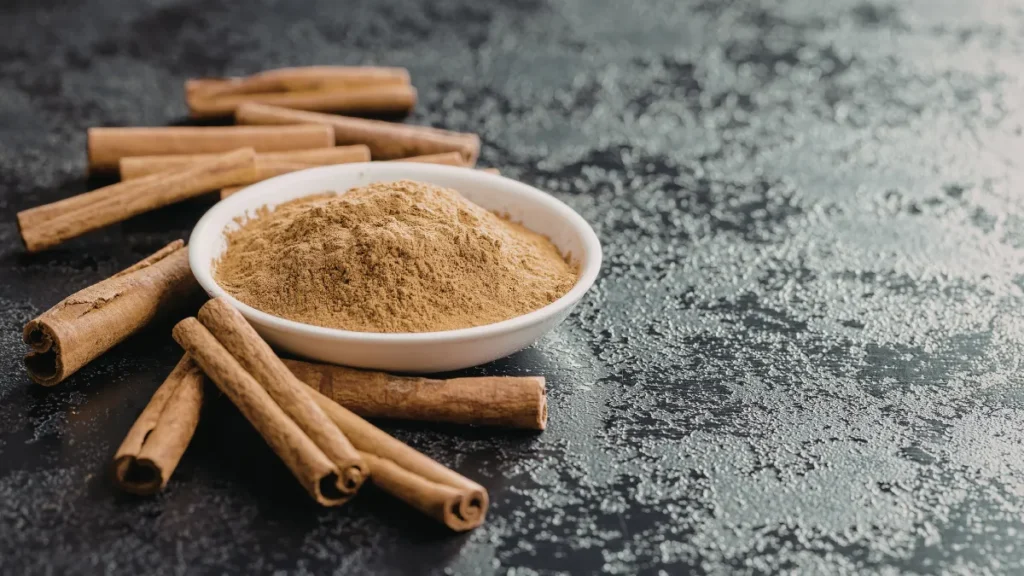
- Cinnamon has genuine anti-inflammatory and antioxidant properties, and some evidence suggests it may modestly support blood sugar regulation, relevant for cardiovascular health given the strong link between blood sugar and heart disease.
- Not all cinnamon is the same. Ceylon cinnamon also called “true” cinnamon, is significantly lower in coumarin, a compound that can be harmful to the liver in large amounts. Most supermarket cinnamon is cassia, which contains much higher coumarin levels.
- The evidence for cinnamon’s cardiovascular benefits is promising but not yet definitive, most studies have been small and short-term. It is best understood as a beneficial spice to include regularly, not a supplement to take therapeutically.
- Cinnamon used as a culinary spice, in oats, smoothies, yogurt, or cooking, is safe and enjoyable for most people. High-dose supplements are a different matter and worth discussing with a doctor.
Cinnamon is one of the world’s oldest spices, used in cooking and traditional medicine across many cultures for thousands of years. More recently it has attracted genuine scientific interest, particularly around its potential effects on blood sugar regulation and inflammation, both of which are relevant to cardiovascular health.
The evidence is interesting but nuanced, and it is worth being honest about where it stands. Cinnamon is not a medicine, and it should not be positioned as a treatment for any condition. But as a spice with a reasonable body of supporting research, used regularly as part of a varied and balanced diet, it earns its place in a heart-healthy kitchen, particularly if you choose the right type.
Not All Cinnamon Is the Same, and This Actually Matters
Most people are unaware that there are different types of cinnamon, and that the distinction is clinically relevant. The two you are most likely to encounter are:
| Ceylon Cinnamon | Cassia Cinnamon | |
|---|---|---|
| Also known as | “True” cinnamon | Common cinnamon, Chinese cinnamon |
| Origin | Sri Lanka, Madagascar | China, Vietnam, Indonesia |
| Flavor | Lighter, sweeter, more delicate | Stronger, more pungent |
| Coumarin content | Very low, negligible | High, potentially problematic in large amounts |
| Availability | Specialty stores, health food shops, online | Most supermarket cinnamon is cassia |
| Cost | More expensive | Cheaper and more widely available |
Coumarin is the key distinction. It is a naturally occurring compound found in much higher concentrations in cassia cinnamon than in Ceylon. At the small amounts used in everyday cooking, the coumarin in cassia cinnamon is unlikely to cause harm for most people. However, if cinnamon is being used daily in larger quantities, as it is in some of the recipes on this site, or if someone is taking cinnamon supplements, the coumarin content of cassia warrants attention, particularly for people with any liver concerns.
The practical recommendation is simple: if you use cinnamon regularly, look for Ceylon cinnamon, it is labelled as such or as “true cinnamon.” You may need to source it from a health food store or online rather than the supermarket spice aisle, but it is widely available and the price difference is modest for the amount most people use.
What Does Cinnamon Actually Do?
Blood Sugar Regulation
This is the area with the most research behind it. Cinnamon contains active compounds, particularly cinnamaldehyde and various polyphenols, that appear to improve insulin sensitivity and slow the absorption of sugar from the gut after meals. Several small clinical trials have shown modest reductions in fasting blood glucose in people with type 2 diabetes or pre-diabetes who consumed cinnamon regularly.
The relevance to heart health is indirect but real, persistently elevated blood sugar damages blood vessels over time and is one of the most significant drivers of cardiovascular disease in people with diabetes or metabolic syndrome. Anything that modestly supports blood sugar regulation as part of a broader dietary approach is worth including.
It is important to be clear, however, that the evidence is not yet strong enough to recommend cinnamon as a treatment for diabetes or blood sugar management. The studies have generally been small and short-term, and results have not been entirely consistent. It is a supportive dietary addition, not a therapeutic intervention.
Anti-Inflammatory Effects
Chronic low-grade inflammation is a key driver of atherosclerosis, the gradual build-up of fatty plaques inside arteries that underlies most heart attacks and strokes. Cinnamon contains a range of polyphenol compounds with demonstrated anti-inflammatory properties in laboratory and some clinical research.
Whether these effects translate into meaningful cardiovascular benefit in real-world use is harder to establish, the human studies are limited. But the anti-inflammatory profile of cinnamon is consistent with its broader nutritional character as a spice rich in antioxidant compounds.
Cholesterol and Blood Pressure
Some studies have suggested modest improvements in LDL cholesterol and blood pressure with regular cinnamon consumption, though findings here are less consistent than for blood sugar. These effects, if real, are likely modest, meaningful as part of an overall dietary pattern but not substantial enough to rely on as a standalone cholesterol or blood pressure management strategy.
How to Use It
The most sensible approach to cinnamon is as a regular culinary spice, adding flavour and nutritional value to everyday foods without the need for supplements or large therapeutic doses. It pairs naturally with several of the other heart-healthy foods discussed across Heart Matters:
- Stir into oats or porridge a natural pairing that adds warmth and flavour. This is how it features in the Bircher Muesli and Berry Smoothie recipes on the site.
- Add to yogurt a small amount of Ceylon cinnamon with plain Greek yogurt and a drizzle of honey is a genuinely satisfying combination with good nutritional credentials.
- Use in coffee or warm drinks a pinch of cinnamon in coffee or a warm spiced milk is an easy daily habit.
- Add to roasted vegetables or curries cinnamon works well in savoury cooking and is a staple of many Mediterranean and Middle Eastern dishes.
- Sprinkle on fruit particularly apple and pear, where it enhances natural sweetness without added sugar.
What About Cinnamon Supplements?
Cinnamon supplements, concentrated capsules or extracts, are widely available and sometimes marketed with strong health claims. The evidence for supplements is not substantially better than for culinary use, and supplements introduce the risk of consuming higher amounts of coumarin than would be typical from cooking, particularly if they are cassia-based.
For most people, getting cinnamon through food is the more sensible and enjoyable route. If you are considering supplements for a specific reason, such as blood sugar management, this is worth discussing with your doctor, who can advise on whether it is appropriate alongside any other medications or treatments you may be on.
Cinnamon is a genuinely useful spice with a reasonable evidence base, best understood as a regular flavourful addition to a heart-healthy diet rather than a supplement to be taken in large doses. Choose Ceylon where possible, use it in cooking, and let it earn its place as one of many small positive habits rather than a single solution.
Conclusion
Cinnamon deserves its reputation as a beneficial spice, the evidence for modest effects on blood sugar regulation and inflammation is real, even if it falls short of what would be needed to recommend it as a medical treatment. Used as a regular part of everyday cooking, particularly in the context of a broader heart-healthy diet, it is a worthwhile and enjoyable addition.
The most important practical point is to choose Ceylon cinnamon where possible, particularly if you are using it daily or in larger amounts. It delivers the same benefits with a fraction of the coumarin found in the more widely sold cassia variety.