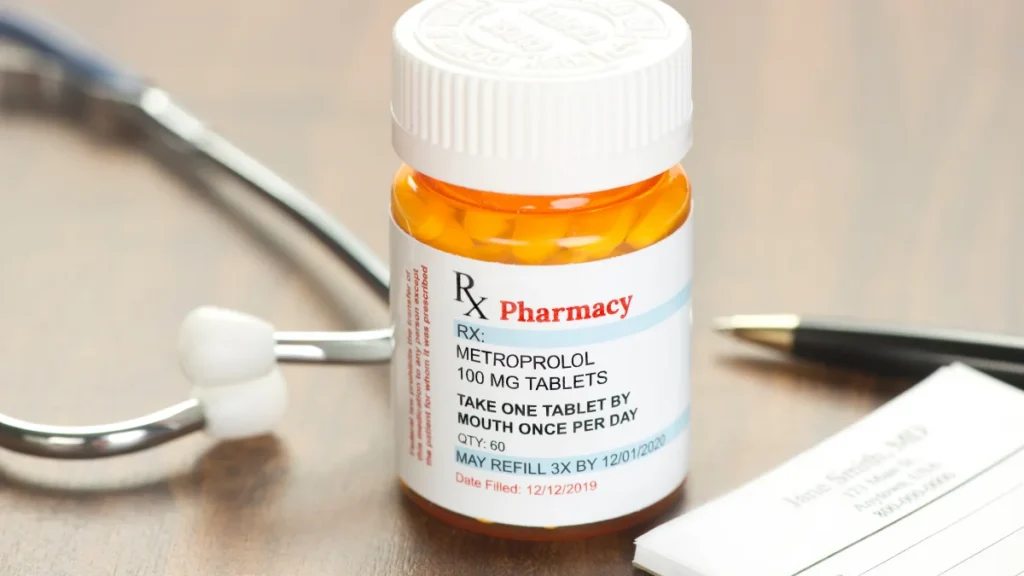
- Beta-blockers work by blocking the effect of adrenaline on the heart, which slows the heart rate, softens the force of each beat, and lowers blood pressure.
- They are used for far more than blood pressure. Angina, heart failure, atrial fibrillation, palpitations, recovery after a heart attack, migraine prevention, essential tremor, and performance anxiety are all on the list.
- Vivid or unusual dreams are a common and often unrecognised side effect. Moving the dose to the morning, or changing to a beta-blocker that reaches the brain less readily, are the adjustments most often tried, though neither works for everyone.
- Fatigue is the side effect people notice most in the first few weeks. It often eases as the body adjusts, and where it does not, a change of dose or timing is commonly considered.
- Stopping abruptly carries a real risk. Sudden withdrawal can cause a rebound rise in heart rate and blood pressure, which can trigger chest pain or a dangerous rhythm. This is why beta-blockers are normally reduced gradually rather than halted outright. Whether, when, and how to stop is a decision for the prescribing doctor.
- The choice of beta-blocker, the dose, and the duration are individual decisions. Only the prescribing doctor or cardiologist, who knows the full clinical picture, can determine what is right for a given person.
Beta-blockers are among the most widely prescribed medicines in the world, and one of the few drug classes that a cardiologist, a neurologist, and a psychiatrist might each reach for on the same day for entirely different reasons.
The name describes exactly what they do. They block the beta-adrenergic receptors that respond to adrenaline, the hormone that drives your heart faster when you are stressed, frightened, or exercising.
This article explains what beta-blockers do, why a particular one might be chosen, and what people commonly experience while taking them. It is general information rather than advice about any individual’s treatment, which is a matter for the prescribing doctor.
How Beta-Blockers Work
When you are under stress or physically active, your body releases adrenaline. It binds to beta receptors in the heart and blood vessels, and the heart responds by beating faster and harder. That is a normal, useful response to danger or exertion.
In many heart conditions, though, that same stimulation is switched on far too much of the time, and the heart pays for it. Beta-blockers occupy those receptors so adrenaline cannot. The heart slows, each contraction takes less effort, blood pressure falls, and the heart’s demand for oxygen drops with it.
There are two main receptor types worth knowing about. Beta-1 receptors sit mostly in the heart. Beta-2 receptors sit in the lungs, the blood vessels, and other tissues. Most modern beta-blockers are described as cardioselective, meaning they act mainly on beta-1 receptors and have much less effect on the airways. That is why they are generally better tolerated by people with mild breathing conditions, though care is still needed in significant asthma or COPD.
Beta-blockers do something quietly elegant. They protect the heart from its own stress response, giving it the room it needs to work efficiently and stay in rhythm.
What Beta-Blockers Are Used For
This is one of medicine’s most versatile drug classes, and the range of conditions it covers is wider than most people realise. The reason a beta-blocker has been prescribed is not always the one a patient assumes.
| Condition | How Beta-Blockers Help |
|---|---|
| High blood pressure | Slow the heart and reduce the force of each beat, which lowers pressure and eases strain on the artery walls |
| Angina | Reduce the heart’s oxygen demand, which usually means fewer episodes of chest pain and better exercise tolerance |
| Heart failure | Counteract the harmful overstimulation that occurs in heart failure, improving pumping efficiency and reducing the risk of hospitalisation |
| After a heart attack | Protect the healing heart muscle, reduce the risk of dangerous rhythm disturbances, and improve long-term outcomes |
| Atrial fibrillation | Slow the rate at which the lower chambers respond, so the heart beats at a comfortable speed even while the rhythm stays irregular |
| Palpitations and arrhythmias | Dampen the electrical excitability of the heart, reducing how often and how strongly palpitations are felt |
| Migraine prevention | Propranolol and metoprolol are well established preventive treatments, reducing both the frequency and the severity of attacks |
| Performance and situational anxiety | Block the physical symptoms of anxiety (trembling, racing heart, sweating) without causing sedation |
| Essential tremor | Propranolol reduces hand tremor, which for many people means a meaningful improvement in daily function |
| Overactive thyroid | Control the fast heart rate and palpitations caused by excess thyroid hormone while the underlying problem is treated |
Commonly Prescribed Beta-Blockers
Beta-blockers are not interchangeable. Some are more cardioselective, some last longer through the day, and some cross into the brain more readily, which matters for the dream side effect described below. Clinicians choose between them based on the condition being treated, other medicines the person is taking, and how they respond.
| Generic Name | Brand Names (vary by country) | Common Strengths | Typically Used For |
|---|---|---|---|
| Metoprolol | Lopressor, Toprol-XL, Betaloc, Selokeen, Minax | 25mg, 50mg, 100mg | Blood pressure, angina, heart failure, rate control, migraine |
| Bisoprolol | Zebeta, Concor, Cardicor, Emcor, Bicor | 1.25mg, 2.5mg, 5mg, 10mg | Heart failure, blood pressure, rate control |
| Carvedilol | Coreg, Eucardic, Dilatrend, Kredex | 3.125mg, 6.25mg, 12.5mg, 25mg | Heart failure, blood pressure. Also blocks alpha receptors |
| Atenolol | Tenormin, Tenoretic (with a diuretic), Noten | 25mg, 50mg, 100mg | Blood pressure, angina. Less likely to cause vivid dreams |
| Propranolol | Inderal, Inderal LA, Half Inderal, Deralin | 10mg, 40mg, 80mg | Migraine prevention, tremor, situational anxiety, thyroid symptoms |
| Nebivolol | Bystolic, Nebilet, Nebivolol | 1.25mg, 2.5mg, 5mg, 10mg | Blood pressure. Also relaxes blood vessels via nitric oxide |
| Sotalol | Betapace, Sotacor, Sotalol | 40mg, 80mg, 160mg | Rhythm control in AF and other arrhythmias. Requires ECG monitoring |
Brand names differ from country to country, and the same tablet may be sold under half a dozen names worldwide. The generic name printed on the packet is the reliable identifier, which is why it is the name that matters when travelling, filling a prescription in another country, or seeing an unfamiliar doctor.
Doses also vary enormously depending on why the medicine was prescribed. A dose used for migraine prevention looks nothing like a dose used in heart failure, where treatment starts low and is increased slowly over weeks. Available strengths differ between countries too. The figures above are for recognition only, and the appropriate dose for any individual is a matter for their prescribing doctor.
Side Effects Worth Knowing About
Most people take beta-blockers for years without significant trouble. That said, a handful of effects come up often enough in clinic to be worth recognising, including one that catches almost everyone by surprise.
Fatigue
The most commonly reported effect, and usually strongest in the first few weeks. It often settles as the body adjusts. Where it persists, a change of dose or timing is one of the adjustments clinicians commonly consider.
Vivid dreams
Common with the fat-soluble beta-blockers that reach the brain. Dreams become unusually detailed, sometimes unsettling. For some people a change in dose timing settles it.
Cold hands and feet
Reduced blood flow to the fingers and toes, most noticeable in cold weather. Usually a nuisance rather than a problem, though marked or persistent symptoms are the kind that prompt medical review.
Dizziness on standing
A consequence of lower blood pressure, most likely first thing in the morning. Symptoms tend to be less pronounced when people rise in stages rather than all at once.
A slow pulse
Slowing the heart is the point, but occasionally it goes further than intended. Unusual tiredness, breathlessness, or feeling faint are among the symptoms that prompt medical review.
Sexual difficulties
Reduced libido or erectile difficulty can occur, more so with the older agents. Newer options behave better in this respect, and a change of agent is one of the options available.
The one that surprises people: vivid dreams
This deserves its own paragraph, because a great many people experience it without ever connecting it to their medicine. Beta-blockers that dissolve readily in fat, propranolol and metoprolol in particular, cross the blood-brain barrier and can markedly intensify dream activity. Dreams become longer, stranger, more detailed, and occasionally distressing.
Two adjustments are commonly tried. The first is moving the dose to the morning rather than the evening. The second is a change to a less fat-soluble beta-blocker such as atenolol, which reaches the brain far less readily. Neither is guaranteed to work, and the second is not always suitable, since the choice of agent usually turns on the condition being treated rather than on side effects alone. What both do establish is that disturbed sleep on a beta-blocker is a recognised problem with recognised options, rather than something that simply has to be endured.
Less common, but important
- Breathing problems. Beta-2 receptors help keep the airways open. Even cardioselective beta-blockers can affect breathing in significant asthma or severe COPD, which is why a person’s respiratory history is central to the prescribing decision.
- Low mood or emotional flatness. The evidence linking beta-blockers to depression is genuinely debated, though individual experience varies. A change in mood after starting a new medicine is worth mentioning to the prescribing doctor rather than assuming the two are unrelated.
- Masked warning signs of low blood sugar. In people taking insulin or certain diabetes medicines, beta-blockers can blunt the racing heart that normally signals a hypo. Sweating usually remains.
- Fluid retention or ankle swelling. Less common, and among the changes that usually prompt review.
Morning or Evening: Why Timing Matters
Timing is one of the few things about a beta-blocker that can be altered without changing the medicine or the dose, which is why it comes up in clinic. The reasoning is straightforward. A dose taken in the evening reaches its peak overnight, which may lessen daytime tiredness, but it also places the peak brain concentration squarely in the hours when dreams occur. A morning dose reverses both effects.
It is worth being clear about how strong that reasoning is. It comes from the way these drugs behave in the body and from what clinicians observe in practice, not from large trials comparing morning with evening dosing for side effects. Some people notice a clear difference. Others notice none at all. It also does not apply equally across the class: twice-daily and modified-release preparations flatten the peak, so there is less for a change of timing to shift.
What can be said with more confidence is that it is a low-cost question to ask. Nothing about the treatment itself changes, and the answer depends on why the medicine was prescribed in the first place, which is something only the prescribing doctor is in a position to weigh.
When Extra Caution Is Needed
- Stopping abruptly. Sudden withdrawal can cause a rebound surge in heart rate and blood pressure, raising the risk of chest pain, palpitations, and in some cases a heart attack. For this reason the dose is usually reduced in stages over days to weeks rather than halted outright. There are situations in which a doctor will stop a beta-blocker immediately, and that is a clinical judgement made with the whole picture in view.
- Asthma and COPD. Significant airway disease is weighed carefully before a beta-blocker is started, and it is information the prescribing doctor and pharmacist need to have.
- Diabetes treated with insulin. Closer blood glucose monitoring is generally recommended, particularly in the first few weeks.
- Heart block or a naturally slow heart rate. Beta-blockers slow electrical conduction, so certain conduction problems call for specialist review before one is started.
- Raynaud’s phenomenon. Circulation to the fingers is already reduced in Raynaud’s, and beta-blockers can make cold-weather symptoms noticeably worse, which is a factor in the prescribing decision.
- Upcoming surgery. Beta-blockers are usually continued through an operation, but the anaesthetist and surgical team need to know one is being taken.
Heart Matters Resource
When in Doubt, Get Checked Out
Exhaustion, disturbed sleep, and an unusually slow pulse on a beta-blocker are all things a doctor can do something about. They are conversations, not compromises.
Conclusion
Beta-blockers are one of medicine’s great workhorses, backed by decades of evidence and used across a remarkably broad range of conditions. Whether one has been prescribed for the heart, for blood pressure, for migraine, or for tremor, understanding what it is doing makes it easier to take with confidence.
Most side effects are manageable, and several of the ones that bother people most, fatigue and vivid dreams among them, respond well to a small change in timing or a change of agent. Little of that happens without the conversation taking place. And because sudden withdrawal carries its own risk, any decision to reduce or stop a beta-blocker is one that belongs with the doctor who prescribed it.
Related Reading
- Bisoprolol: A Closer Look at This Common Heart Medication
- Rethinking Beta-Blockers After a Heart Attack
- Nitrates for Angina: GTN Spray, Patches, and Long-Acting Tablets Explained
- How Atrial Fibrillation Is Treated: From Lifestyle to Ablation
- How to Lower Blood Pressure Naturally
- Why Do I Feel My Heart Beating at Night?
- Understanding Your Cardiovascular Risk Factors