- Phytosterols, also called plant sterols and stanols, are natural compounds found in plant foods that can meaningfully reduce LDL cholesterol, often called “bad” cholesterol, by blocking its absorption in the gut.
- A daily intake of 2 to 3 grams of phytosterols has been shown to reduce LDL cholesterol by up to 10%, a clinically significant reduction that complements a heart-healthy diet and, where needed, medication.
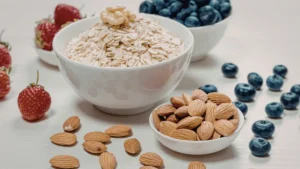
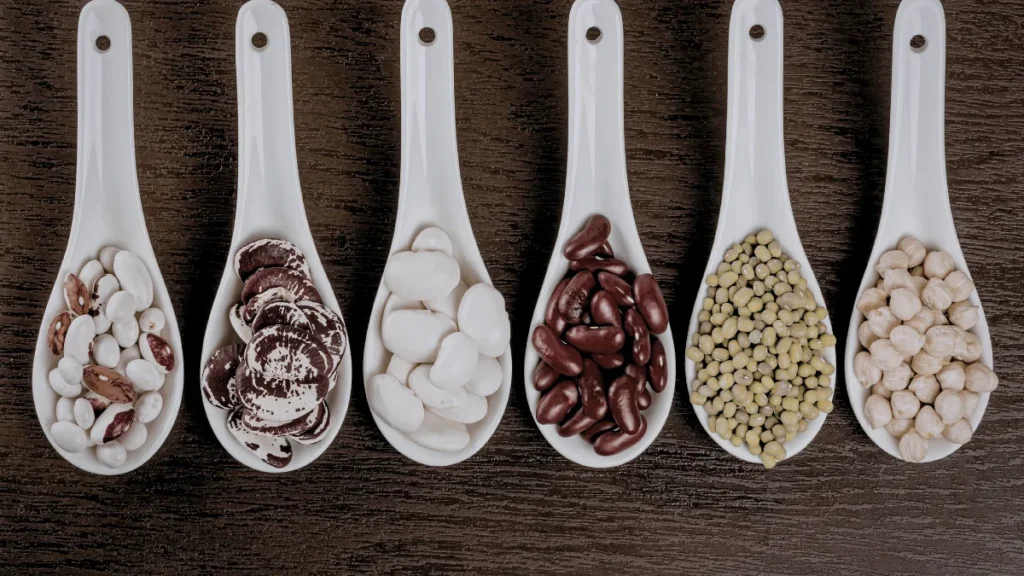
- Phytosterols are found naturally in nuts, seeds, legumes, whole grains, olive oil, and vegetables, and in higher concentrations in specially fortified spreads, milks, and yoghurts available in most supermarkets.
- They do not lower HDL cholesterol, the protective kind, and do not significantly affect triglycerides, making them a targeted and well-tolerated option for LDL management.
- Phytosterols are not a replacement for medication when medication is needed, but they are a genuinely useful addition to a heart-healthy approach, and one worth discussing with your doctor.
One of the most common questions I am asked in clinic is whether there are natural ways to support cholesterol management alongside, or before, medication. For many patients, the answer includes phytosterols, a group of plant-based compounds that have one of the most consistent and well-evidenced cholesterol-lowering effects available outside of prescription drugs.
They are not a new discovery. The evidence has been building for decades. But they remain surprisingly under-discussed in patient conversations, possibly because they sound more complicated than they are, and possibly because they do not have the marketing budget of pharmaceutical alternatives.
This article explains what phytosterols are, how they work, where to find them, and how to think about incorporating them into a heart-healthy approach.
What Are Phytosterols?
Phytosterols are natural compounds found in the cell walls of plants. Structurally they closely resemble cholesterol, which is precisely what makes them useful. Because of this structural similarity, phytosterols compete directly with cholesterol for absorption in the gut. When phytosterols are present in sufficient quantities, they effectively block cholesterol from being absorbed into the bloodstream, reducing the amount of LDL cholesterol circulating in the body.
The most common types found in food are beta-sitosterol, campesterol, and stigmasterol. These are not exotic or synthetic compounds, they are present in many of the whole foods a heart-healthy diet already emphasises.
Where Are They Found?
Phytosterols occur naturally in a wide range of plant foods, with the highest concentrations in nuts, seeds, legumes, whole grains, and vegetable oils including extra virgin olive oil. The challenge is that the amounts in whole foods, while meaningful, are relatively modest, making it difficult to reach the therapeutic threshold of 2 to 3 grams per day through diet alone without also using fortified products.
Phytosterol-fortified products, spreads, margarines, milks, and yoghurts with added plant sterols, are widely available in Australian supermarkets and are clearly labelled. These products make reaching an effective daily dose practical without requiring dramatic dietary changes.
| Food | Serving | Phytosterol content |
|---|---|---|
| Green peas (raw) | ½ cup | 133mg |
| Kidney beans (raw) | ½ cup | 117mg |
| Pistachio nuts | 30g (about 49 kernels) | 61mg |
| Lentils (raw) | ½ cup | 54mg |
| Cashew nuts | 30g | 45mg |
| Orange | 1 fruit | 34mg |
| Extra virgin olive oil | 1 tablespoon | 30mg |
| Banana | 1 large | 24mg |
| Brussels sprouts | 1 cup | 21mg |
How Much of a Difference Do They Actually Make?
The evidence is genuinely impressive for a dietary intervention. A consistent body of research across multiple large studies has shown that a daily intake of 2 to 3 grams of phytosterols reduces LDL cholesterol by approximately 8 to 10%. This effect is recognised by the American Heart Association and has been incorporated into cholesterol management guidelines internationally.
To put that in clinical context, a 10% reduction in LDL cholesterol is meaningful. It is not the same magnitude as a statin in someone with established cardiovascular disease, but for a person managing borderline cholesterol through lifestyle measures, or for someone who cannot tolerate statins, it represents a significant and achievable improvement.
Importantly, phytosterols achieve this reduction without lowering HDL cholesterol, the protective kind, and without significantly affecting triglycerides. Their effect is targeted specifically at LDL, which is the primary driver of cardiovascular risk in the cholesterol picture.
Beyond Cholesterol, Other Benefits
Most of the research on phytosterols focuses on their cholesterol-lowering effect, and that remains their most clinically important action. But there is emerging evidence of additional benefits worth noting.
Some phytosterols have anti-inflammatory properties, relevant because inflammation in the blood vessel walls is a key driver of the atherosclerosis process that underlies most heart attacks and strokes. There is also evidence of antioxidant activity, helping to protect cells from the oxidative stress that contributes to cardiovascular damage over time.
For men specifically, beta-sitosterol has shown promise in research around benign prostate enlargement, with some evidence suggesting it may help improve urinary flow symptoms. This is an emerging area rather than an established recommendation, but worth knowing about.
How to Reach an Effective Daily Dose
The therapeutic target of 2 to 3 grams per day requires a deliberate approach, it will not happen incidentally through a standard diet. A practical daily routine might look like this: a phytosterol-fortified spread used at breakfast contributing around 2 grams, supplemented by naturally phytosterol-rich foods throughout the day, a handful of pistachios, a serve of legumes, a tablespoon of olive oil, which collectively add a further 0.5 to 1 gram.
The key principle is consistency. Phytosterols work by blocking cholesterol absorption at each meal, so the benefit is ongoing and cumulative only if the intake is maintained regularly. An occasional fortified yoghurt will not produce a meaningful effect. A daily routine that includes phytosterol-rich or fortified foods consistently will.
Phytosterols are one of the most evidence-based natural additions to a cholesterol management plan. They are not a replacement for medication when medication is indicated, but for patients working to manage their LDL through diet and lifestyle, they represent a genuinely meaningful tool that is accessible, well-tolerated, and supported by decades of consistent research.
— Prof. Peter Barlis, Interventional Cardiologist
Who Should Be Cautious
Phytosterols are well tolerated by most people and side effects are uncommon, mild digestive discomfort in some people if very large amounts are consumed, but nothing more significant at normal dietary doses.
There are a few groups who should seek specific advice before using phytosterol-fortified products. People who are pregnant or breastfeeding, and children, should not use fortified products unless specifically advised to do so by a healthcare professional. People with a rare inherited condition called sitosterolaemia, a genetic disorder affecting plant sterol metabolism, should avoid phytosterol supplementation entirely.
For people already taking cholesterol-lowering medication, particularly statins or ezetimibe, adding phytosterols is generally safe and may provide additional LDL reduction on top of medication. But it is worth discussing with your doctor so the combined effect can be monitored and your overall management plan adjusted if needed.
- Use a phytosterol-fortified spread on wholegrain bread at breakfast, most fortified spreads provide around 2 grams of plant sterols per standard serve and are the most reliable way to reach a therapeutic daily dose.
- Include a small handful of nuts, particularly pistachios or cashews, as a daily snack. They contribute meaningful phytosterol content alongside heart-healthy fats, protein, and fibre.
- Use extra virgin olive oil as your primary cooking fat, it contributes phytosterols alongside the monounsaturated fat and polyphenols that make it one of the most evidence-based dietary fats available.
- Include legumes, lentils, chickpeas, kidney beans, in meals several times per week. They are among the richest natural sources of phytosterols and also provide soluble fibre that independently supports cholesterol management.
- Consider a phytosterol-fortified milk or yoghurt if you find a fortified spread less practical, different fortified formats suit different dietary routines, and consistency matters more than which product you choose.
Heart Matters Resource
When in Doubt, Get Checked Out
If you are managing your cholesterol and would like to discuss whether phytosterols are an appropriate addition to your approach, raise it at your next appointment. It is a straightforward conversation that can make a meaningful difference.
Conclusion
Phytosterols are one of nature’s most effective cholesterol management tools, present in the plant foods a heart-healthy diet already emphasises, and available in concentrated form in widely accessible fortified products. The evidence for their LDL-lowering effect is consistent, substantial, and clinically recognised.
They work best as part of a broader approach, alongside a Mediterranean-style dietary pattern, regular physical activity, and medication where indicated. Used consistently and in adequate amounts, they represent a genuinely meaningful contribution to cardiovascular risk management that is accessible to almost everyone.
If you have not yet discussed phytosterols with your doctor or cardiologist as part of your cholesterol management plan, it is a conversation worth having.