









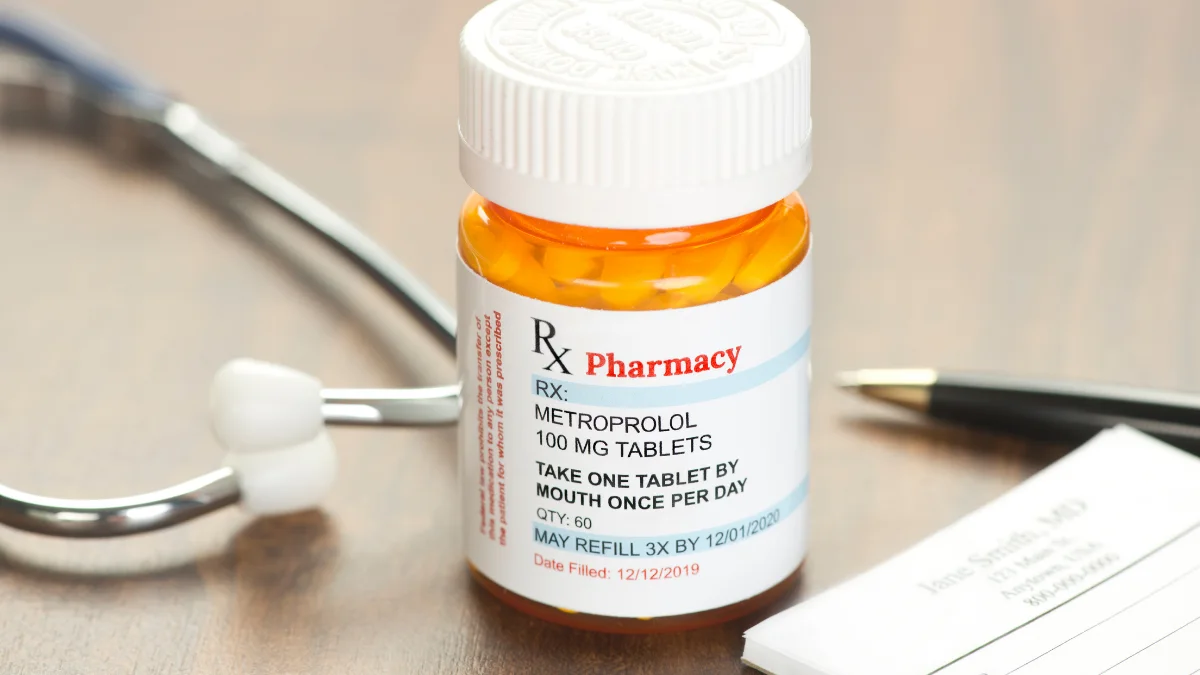


- Muscle symptoms on statins are real for a significant number of people, and dismissing them is one of the fastest ways to lose a patient’s trust and their willingness to take any cholesterol treatment at all.
- The first question is not which statin to try next. It is whether the statin was clearly indicated in the first place, and that means looking at overall cardiovascular risk rather than a single cholesterol number.
- Rechallenge studies show that a large proportion of people who stopped a statin for muscle aches can tolerate one when it is reintroduced carefully, often at a lower dose or a different agent.
- True statin-related muscle injury with markedly raised creatine kinase is uncommon. Serious rhabdomyolysis is rare.
- Lower doses, alternative statins, and non-daily dosing schedules are all used in practice to keep people on treatment, and much of the benefit comes from plaque stabilisation and reduced arterial inflammation rather than the LDL number alone.
- Stopping a statin without a plan is the outcome worth avoiding, because the risk it was managing does not go away.
Aches in the thighs. Heaviness climbing stairs that was not there last year. Calves that feel like they have been through a session at the gym on a day with no gym. When someone describes this to me a few weeks after starting a statin, I do not think they are imagining it, and I do not open with the trial data.
I open by asking why they are on it.
That question surprises people. They assume the conversation will be about swapping to a different tablet. Often the more useful conversation is one step earlier, and it changes what we do next.
Why the Indication Matters More Than the Side Effect
A large number of statin prescriptions are written quickly. A cholesterol result comes back above a threshold, a script is generated, and the patient leaves with a tablet and very little sense of what it is protecting them from. Nobody set out to do it badly. Consultations are short and a number on a page is an easy thing to act on.
The trouble is that a cholesterol level on its own is a poor guide to whether an individual needs treatment. What matters is absolute cardiovascular risk, which is built from age, blood pressure, smoking history, diabetes, family history, kidney function, and whether there is any established arterial disease. Newer markers add further detail, including inflammation in the artery wall and, for some, ancestry, since cardiovascular risk runs higher in South Asian and East Asian populations. Two people with identical LDL readings can have completely different reasons to take a statin, or not to.
So when someone comes to me with muscle symptoms, the first thing I want to establish is which category they are in.
Established cardiovascular disease
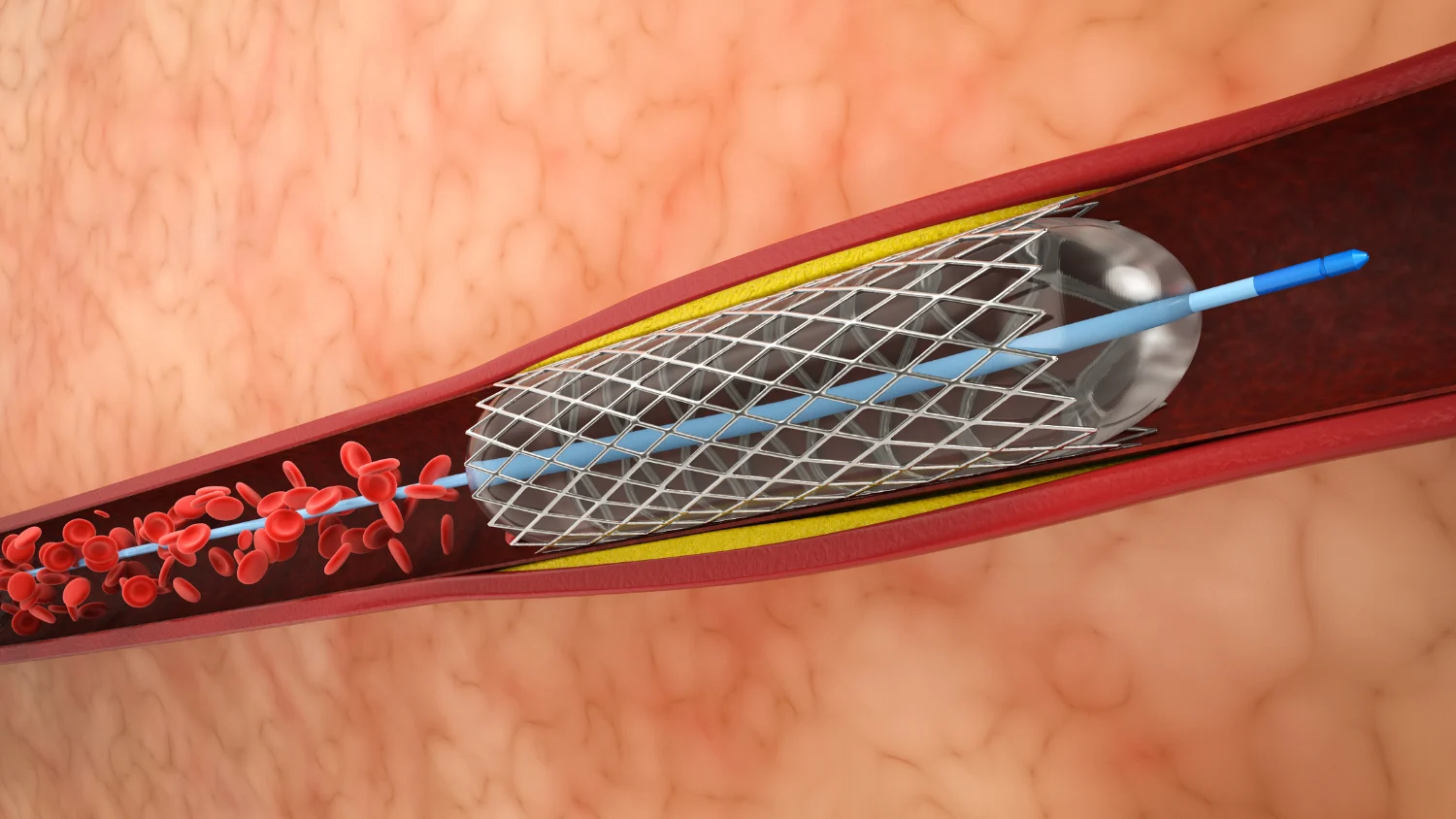
If someone has had a heart attack, a stent, bypass surgery, a stroke, or has known atherosclerosis on imaging, the case for lipid-lowering therapy is strong and the effort to find a tolerable option is worth making. Here the goal is to stay on treatment in some form, and abandoning it entirely is the worst of the available outcomes.
Primary prevention with genuinely elevated risk
Someone with no established disease but a high calculated risk, a strong family history, or an elevated lipoprotein(a) also has a solid reason to persist. A coronary calcium score can add useful information when the decision is genuinely uncertain, because it reflects calcified plaque already present in that person’s own arteries rather than an estimated percentage. It has real limitations, though. It involves a small dose of radiation, it does not detect the soft, non-calcified plaque that causes many events in younger people, and a score of zero does not guarantee low risk in every situation. It is a tie-breaker for borderline cases, not a routine test for everyone, and it is best interpreted alongside the rest of the risk picture.
Primary prevention on the strength of a number alone
And then there is the group where the statin was started because a cholesterol result looked high, in an otherwise low-risk person, without a risk assessment ever being done. This group exists. When one of them presents with disabling muscle aches, the honest answer may be that the medication is doing very little for them and the conversation should be about whether it is needed at all.
Before we work out which statin you can tolerate, we should agree on what the statin is for. Sometimes that answer alone settles the question.
What the Evidence Says About Statin Muscle Symptoms
This is where the picture gets genuinely interesting, and where I think the public conversation has become unhelpfully polarised.
In randomised trials, where neither the patient nor the doctor knows who is receiving the statin, the rate of muscle symptoms is only slightly higher in the statin group than the placebo group. In everyday practice, reported rates are far higher, somewhere between 10% and 25% depending on the study.
Two trials have looked at this directly. In the SAMSON study, participants who had previously stopped statins because of side effects took months of statin tablets, months of placebo tablets, and months of no tablets at all, without knowing which was which. Symptom scores were almost identical in the statin months and the placebo months, and much lower in the months with no tablet. The StatinWISE trial, using a similar design, reached a comparable conclusion.
It would be easy to read that as proof the symptoms are imaginary. That is the wrong lesson, and it is the reading that makes patients feel disbelieved.
What those trials actually show is that the act of taking a daily tablet, combined with the expectation of a side effect, produces real physical symptoms. This is the nocebo effect, and it is a genuine physiological phenomenon, not a character flaw. The pain is real. Its origin is more complicated than the drug molecule alone.
They also do not exclude the existence of a smaller group with true statin-associated muscle injury. That group exists, is a minority, and is identifiable. It is also worth knowing that many people who stop a statin because of side effects turn out to tolerate one when it is reintroduced carefully, often at a lower dose or as a different agent, though this is something to explore with a doctor rather than attempt alone.
Telling the Difference in the Clinic
There is no single test that settles it, but the pattern of symptoms carries a lot of information.
| Feature | More typical of statin-related myalgia | Less typical, consider other causes |
|---|---|---|
| Distribution | Symmetrical, large muscle groups, thighs, calves, shoulders | One limb, one joint, or a small localised area |
| Timing after starting | Within four to six weeks of starting or a dose increase | Years into stable therapy with no dose change |
| Character | Aching, heaviness, weakness, cramping | Sharp, burning, tingling, or clearly joint-centred |
| Response to stopping | Improves within two to four weeks | No change after stopping |
| Creatine kinase | Normal or mildly raised in most cases | Markedly raised suggests true muscle injury and needs prompt review |
Other causes deserve a proper look before the statin takes the blame. An underactive thyroid, vitamin D deficiency, polymyalgia rheumatica, undiagnosed inflammatory arthritis, and simple deconditioning all produce muscle symptoms. So does a recent increase in physical activity, which frequently coincides with starting a statin because both often follow the same health scare.
One question comes up in almost every one of these conversations, so it is worth addressing directly. Statins lower the body’s levels of coenzyme Q10, and because CoQ10 is involved in how muscles produce energy, the theory that topping it up might ease statin muscle aches is a reasonable one. The trouble is that trials testing this have been small and their results inconsistent, so the evidence does not clearly support it. It is not something to take instead of talking the symptoms through with your doctor, but it is a fair thing to raise. Our article on CoQ10 and ubiquinol looks at what the research does and does not show.
Drug interactions matter too. Some antibiotics, antifungals, certain calcium channel blockers, and grapefruit juice raise blood levels of particular statins. A medication review sometimes solves the problem without changing the statin at all.
The Options When Symptoms Are Real
Assuming the indication is sound and other causes have been excluded, there is far more room to manoeuvre than most people realise. Very few patients truly cannot tolerate any lipid-lowering therapy. None of the points below is something to start or change on your own. They are the questions worth putting on the table when you sit down with your doctor, so the conversation covers the full range of what is possible rather than jumping straight to stopping.
Ask about the dose
Most of the LDL reduction from a statin comes at the lower end of the dose range, so it is worth asking whether a smaller dose might ease symptoms while keeping much of the benefit.
Ask about a different statin
Statins differ in how the body processes them, and someone who reacts to one often does well on another. Occasionally even trying a different brand of the same statin is worth raising.
Ask about the frequency
Some cardiologists discuss non-daily schedules, such as alternate days, particularly with longer-acting statins. It is a conversation to have with a doctor, never a change to make alone.
Ask about a partner medication
Pairing a lower statin dose with a second medication such as ezetimibe can reach a similar result to a high dose alone, which is worth asking about.
Ask about non-statin options
For genuine intolerance in higher-risk patients, PCSK9 inhibitors and bempedoic acid work by different mechanisms, the latter designed to bypass muscle, and are worth discussing.
Ask why it was started
Before adjusting anything, it is fair to ask what your actual cardiovascular risk is and what the statin is protecting against, since that shapes every other decision.
Why non-daily dosing is worth understanding
The idea of taking a statin three times a week strikes many people as either a compromise or a fudge. It is neither, and the reasoning is worth explaining.
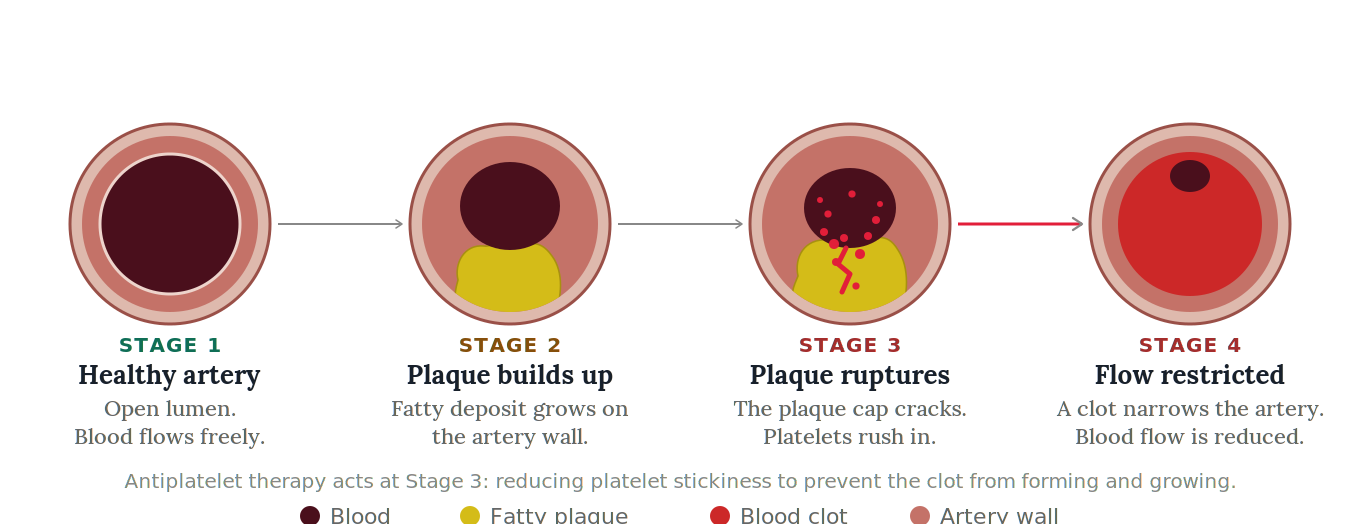
Some statins remain active in the body well beyond 24 hours, so the cholesterol-lowering effect does not disappear on the off days. More importantly, the benefit of these medications is not confined to the LDL number. Statins reduce inflammation within the artery wall, thicken the fibrous cap over existing plaque, and make that plaque less likely to rupture. Plaque rupture is the event that causes most heart attacks. Much of that stabilising effect is achieved at modest, sustained exposure.
This is not a guideline recommendation and it should never be self-initiated. It is a strategy some cardiologists, including me, discuss with individual patients when the alternative is no treatment at all. Some treatment, taken reliably, beats optimal treatment abandoned after three weeks.
A newer option for genuine intolerance
For people who truly cannot tolerate statins and remain at high risk, the options have widened. Alongside the injectable PCSK9 inhibitors, a newer oral tablet called bempedoic acid has become part of the conversation. It lowers cholesterol through a different pathway to statins, and because it is only activated in the liver rather than in muscle tissue, it is far less likely to cause the muscle aches that statins can. In 2025 the European cholesterol guidelines strengthened their recommendation for it in statin-intolerant patients on the back of a large trial showing it reduced cardiovascular events.
It is not a perfect substitute. It can raise uric acid levels and trigger gout in people prone to it, and in Australia its cost and subsidy situation is still settling, so it is worth asking your doctor about availability as well as suitability. But for someone who has genuinely exhausted the statin options, it is a meaningful addition rather than a last resort, and a reason not to conclude too quickly that nothing can be done.
Working Through It With Your Doctor
The most useful thing you can bring to that appointment is detail. When the symptoms started in relation to starting the tablet. Which muscles. Whether both sides are affected equally. Whether anything else changed at the same time, including exercise, other medications, or an illness.
From there, doctors often work through it in a structured way. That might involve a supervised period off the statin to see whether symptoms genuinely resolve, blood tests to check for other contributors, then a carefully planned reintroduction at a lower dose or with a different agent. A temporary, planned break is a diagnostic step rather than a decision to stop, which is why it is done with your doctor rather than on your own.
It is also reasonable to ask directly what your cardiovascular risk actually is, and what this medication is expected to do about it. If that question has never been answered properly, answering it may be the single most valuable part of the consultation. Our overview of cardiovascular risk factors is a reasonable place to start before you go.
Heart Matters Resource
When in Doubt, Get Checked Out
Severe muscle pain with dark urine, or weakness that makes it hard to rise from a chair, needs same-day medical assessment rather than a wait-and-see approach.
Conclusion
Muscle symptoms on a statin are not a reason to be dismissed, and they are not a reason to walk away from cholesterol treatment altogether. They are a reason for a proper conversation about why the medication was started, what it is protecting against, and which of the many available adjustments fits the person in front of you.
The patients who do best are the ones who raise the problem early rather than quietly stopping the tablet and mentioning it a year later. If a statin is making you ache, say so, and ask what the alternatives are. There are usually more of them than you have been told.
Nothing here is a recommendation about your own treatment. It is a map of what the conversation can cover, so that when you sit down with your GP or cardiologist you can talk through your particular risk factors and circumstances. That discussion, grounded in your situation rather than a general article, is where the right decision for you is made.
References
- Wood FA, Howard JP, Finegold JA, et al. N-of-1 Trial of a Statin, Placebo, or No Treatment to Assess Side Effects. New England Journal of Medicine 2020;383:2182-2184
- Herrett E, Williamson E, Brack K, et al. Statin treatment and muscle symptoms: series of randomised, placebo controlled n-of-1 trials (StatinWISE). BMJ 2021;372:n135
- Cholesterol Treatment Trialists’ Collaboration. Effect of statin therapy on muscle symptoms: an individual participant data meta-analysis of large-scale randomised double-blind trials. Lancet 2022;400:832-845
- Newman CB, Preiss D, Tobert JA, et al. Statin Safety and Associated Adverse Events: A Scientific Statement From the American Heart Association. Arteriosclerosis, Thrombosis, and Vascular Biology 2019;39:e38-e81
- Nissen SE, Stroes E, Dent-Acosta RE, et al. Efficacy and Tolerability of Evolocumab vs Ezetimibe in Patients With Muscle-Related Statin Intolerance (GAUSS-3). JAMA 2016;315:1580-1590
Related Reading
- Statins: What Patients Ask Me Most
- The Timing of Cholesterol-Lowering Medications: Does Nighttime Dosing Make a Difference?
- Ezetimibe: A Well-Tolerated Partner in Cholesterol Control
- Beyond Statins: PCSK9 Inhibitors and the Future of Cholesterol Management
- Statins and Your Calcium Score: Understanding the Paradox
- CoQ10 and Ubiquinol: A Useful Supplement for Some, But Is It Right for You?
- Understanding Your Cardiovascular Risk Factors