






Key points
- Nitrates are one of the oldest and most effective treatments for angina, the chest pain or tightness caused by reduced blood flow to the heart
- They come in several forms: a spray or tablet under the tongue for fast relief, skin patches for all-day protection, and long-acting tablets taken once or twice daily
- The most important side effect is a sudden drop in blood pressure causing headache, flushing, or dizziness, these are common and manageable, not dangerous
- Nitrates must never be taken with erectile dysfunction medicines such as sildenafil (Viagra), tadalafil (Cialis), or vardenafil (Levitra), the combination can cause a dangerous and potentially life-threatening drop in blood pressure
- Tolerance can develop with long-acting nitrates, your doctor will advise a nitrate-free period each day to keep the medication working effectively
If you have been prescribed a small spray or tablet to carry with you for chest pain, you are holding one of the most effective medicines in cardiovascular care, and one with a history stretching back more than 150 years.
Nitrates have been used to treat angina since the 1870s. They remain a cornerstone of treatment today not because medicine hasn’t moved on, but because they work, quickly, reliably, and in a way that no other class of medication quite replicates. Understanding what they do, how to use them correctly, and what to watch for will help you feel confident with a medicine that may become an important part of your daily life.
What nitrates do
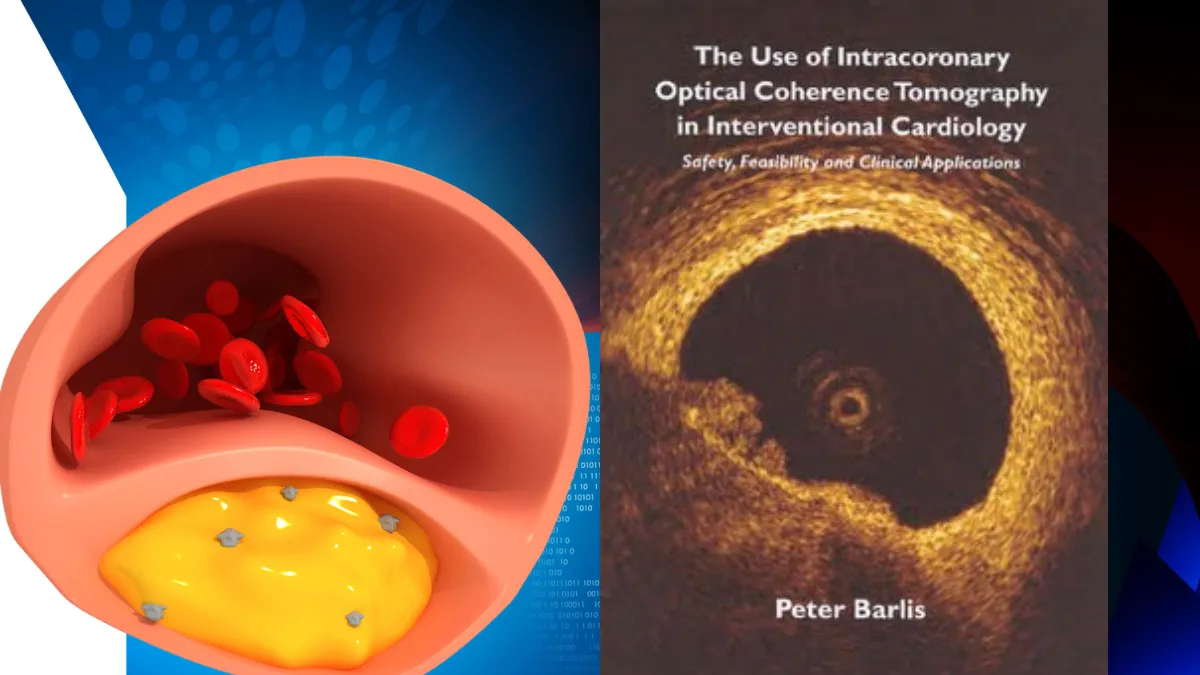
Angina occurs when the heart muscle is not receiving enough blood, usually because the coronary arteries that supply it have become narrowed by coronary artery disease. The heart muscle is working hard but not getting enough oxygen to meet the demand. The result is chest pain, pressure, tightness, or heaviness, often brought on by exertion and relieved by rest.
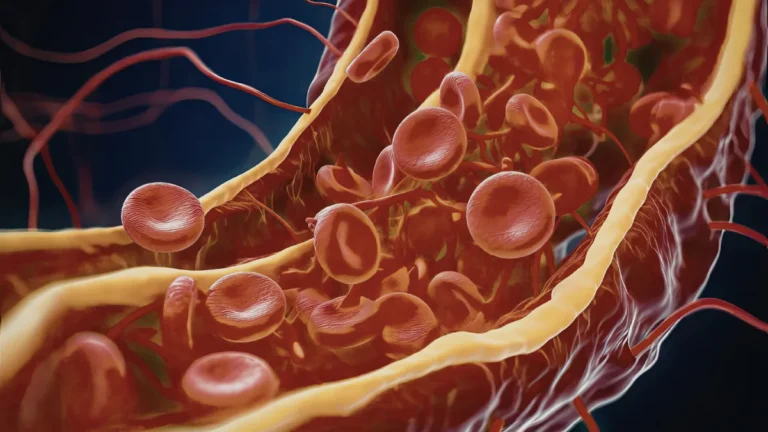
Nitrates work by relaxing the walls of blood vessels. They cause the veins throughout the body to widen, a process called vasodilation which reduces the amount of blood returning to the heart with each beat. This reduces the workload the heart muscle has to perform, lowering its oxygen demand and relieving the mismatch between supply and demand that causes angina.
Nitrates also cause the coronary arteries themselves to relax and widen, improving blood flow to the heart muscle directly. This dual effect, reducing demand and improving supply simultaneously, is what makes them so effective.
Nitrates do not treat the underlying coronary artery disease. They manage symptoms by making the heart’s workload more manageable. This is an important distinction, and one worth discussing with your cardiologist if you are relying on them frequently.
The different types of nitrates
Nitrates come in several forms, each suited to a different purpose. Some are designed to act within minutes for immediate relief. Others release slowly throughout the day to provide ongoing protection against angina episodes.
Sublingual glyceryl trinitrate, the spray or tablet under the tongue
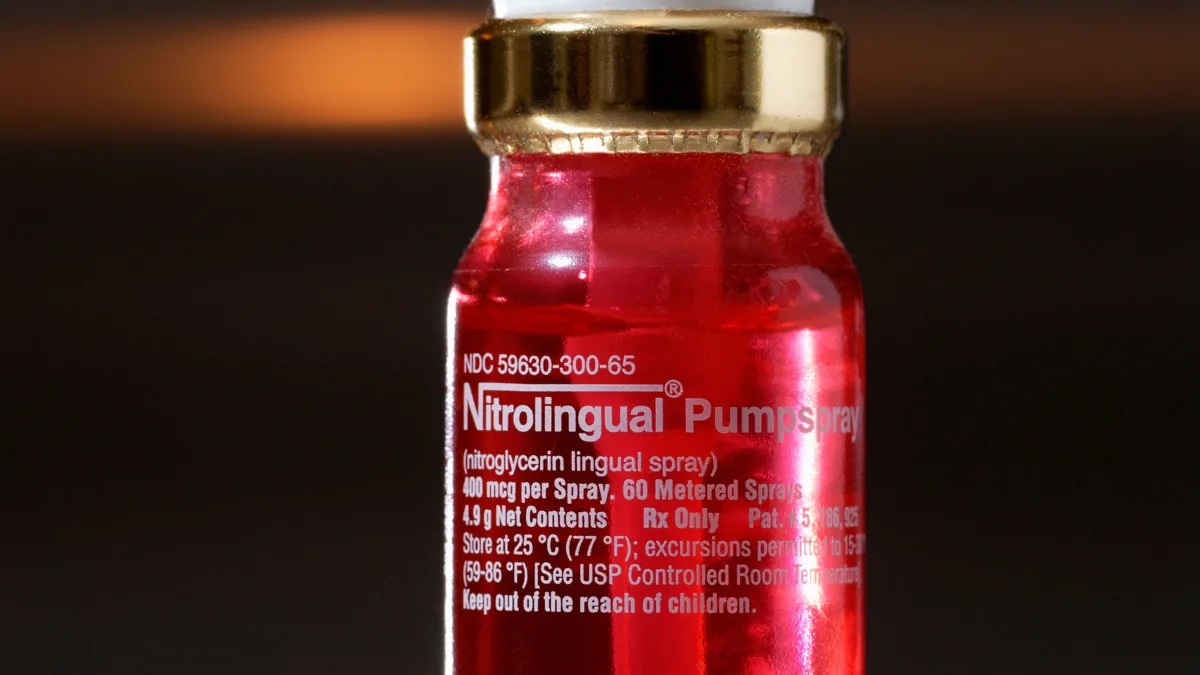
Glyceryl trinitrate GTN, is the fast-acting form most people associate with angina. It comes as a small spray applied under the tongue, or as a small tablet placed under the tongue to dissolve. Both forms work within one to three minutes and last for approximately 20 to 30 minutes.
GTN is used in two ways. First, as an immediate treatment when an angina episode occurs, used at the onset of symptoms for rapid relief. Second, as a preventive measure before activities you know are likely to trigger angina, climbing stairs, walking uphill, or any exertion that has provoked symptoms before. Used this way, GTN can allow you to undertake activities that would otherwise cause discomfort.
Your cardiologist or pharmacist will give you specific instructions on how and when to use your GTN, including how many doses are appropriate and at what point you should call an ambulance rather than continuing to wait. It is important to have that conversation before you need it, so you feel confident and prepared if an episode occurs.
Your doctor or pharmacist will advise you on how many doses of GTN to use and when to stop and call an ambulance. Make sure you know this before you need it.
As a general principle, chest pain that is not relieved by GTN, is more severe than your usual angina, or is accompanied by breathlessness, sweating, or pain spreading to your arm or jaw should be treated as a potential heart attack. Call an ambulance immediately, do not drive yourself to hospital.
Australia: 000 · UK: 999 · USA/Canada: 911 · Europe: 112
Transdermal nitrate patches
Glyceryl trinitrate patches are adhesive patches applied to the skin, typically the chest, upper arm, or back, that release a steady, controlled amount of GTN through the skin over the course of the day. They are changed once daily and provide sustained protection against angina episodes throughout the wearing period.
Patches are useful for patients with frequent angina who need consistent background coverage rather than relying solely on on-demand treatment. They are applied in the morning and removed after a set number of hours, usually 12 to 14 hours, to allow a nitrate-free period overnight. This nitrate-free period is important to prevent tolerance developing.
Whether you wear your patch during the day or overnight depends on the pattern of your symptoms, your doctor is best placed to advise which timing works for you.
The site of application should be rotated daily to reduce the chance of skin irritation. Common sites include the chest wall, upper arm, shoulder, or back. Avoid areas of broken or irritated skin.
Long-acting oral nitrates
Isosorbide mononitrate and isosorbide dinitrate are oral tablets taken once or twice daily to provide longer-lasting angina protection. They are available in standard and modified-release formulations.
Isosorbide mononitrate, the more commonly prescribed of the two, is typically taken as a once-daily modified-release tablet in the morning. The modified-release formulation delivers the medication gradually throughout the day while allowing drug levels to fall overnight, preserving the nitrate-free period that prevents tolerance.
These oral nitrates are used for patients with more frequent or predictable angina where regular prevention is preferable to on-demand treatment alone. They are often prescribed alongside other angina medicines such as beta-blockers or calcium channel blockers.
| Type | Form | Onset | Duration | Used for |
|---|---|---|---|---|
| GTN spray / tablet | Under the tongue | 1–3 minutes | 20–30 minutes | Immediate relief or pre-activity prevention |
| GTN patch | Skin patch | 30–60 minutes | 12–14 hours | All-day background protection |
| Isosorbide mononitrate | Oral tablet | 30–60 minutes | Up to 24 hours (MR) | Regular daily prevention |
| Isosorbide dinitrate | Oral tablet | 20–45 minutes | 4–6 hours | Regular prevention, often twice daily |
Side effects, what to expect
The most common side effects of nitrates are a direct consequence of how they work, by dilating blood vessels and lowering blood pressure. They are very common, particularly when you first start taking nitrates, and they usually ease as your body adjusts.
Headache is the most frequently reported side effect, particularly with the first few doses. The same vasodilation that relieves angina also widens the blood vessels in the scalp, causing a throbbing headache. For most patients this improves significantly within a few days as the body adapts. Paracetamol can be taken to manage the headache in the meantime. If headaches are severe or persistent, speak to your doctor, adjusting the dose or switching formulation often helps.
Flushing and warmth a feeling of heat or redness in the face, is also common and has the same vascular mechanism as the headache. It is temporary and harmless.
Dizziness and light-headedness occur because nitrates lower blood pressure. Sitting or lying down when using GTN spray significantly reduces this risk. Standing up quickly after taking a nitrate, particularly after exercise or in warm weather, can cause a more pronounced drop in blood pressure.
Tolerance the gradual reduction in effectiveness with regular use, is specific to long-acting nitrates and patches. It does not occur with occasional use of GTN spray. To prevent tolerance, long-acting nitrates are prescribed with a structured nitrate-free period each day, usually overnight, during which the body resets its sensitivity to the medication. Your doctor will advise on the specific timing for your prescription.
British Heart Foundation, Nitrate medicines guidance
The critical interaction with erectile dysfunction medicines
This is the most important safety message associated with nitrate medicines, and one that every patient taking nitrates needs to know clearly.
Nitrates must never be taken within 24 to 48 hours of erectile dysfunction medicines including sildenafil (Viagra, Revatio), tadalafil (Cialis), vardenafil (Levitra), and avanafil (Spedra). These medicines belong to a class called PDE5 inhibitors and they work by a related mechanism to nitrates. When taken together, the two drugs cause an additive and potentially catastrophic drop in blood pressure, severe hypotension that can cause fainting, heart attack, stroke, or death.
This interaction applies regardless of the dose of either medication and regardless of the time gap, the window of risk with tadalafil (Cialis) extends to 48 hours due to its longer duration of action.
This is not a reason to avoid discussing sexual health with your cardiologist. Erectile dysfunction is common in men with cardiovascular disease and is itself an important cardiovascular risk marker. There are approaches to managing both conditions safely, but the conversation needs to happen with your doctor, not by managing it yourself. If you are taking nitrates and have questions about sexual activity or erectile dysfunction, please raise it at your next appointment.
Other important cautions
Low blood pressure. Nitrates should be used with caution if your blood pressure is already low. If you feel very dizzy or faint after taking GTN, sit or lie down immediately and inform your doctor.
Aortic stenosis. Patients with significant narrowing of the aortic valve, aortic stenosis, may not tolerate nitrates well, as their heart depends on maintaining adequate filling pressure. Your cardiologist will advise you specifically if this applies to your situation.
Hypertrophic cardiomyopathy. Similarly, nitrates may worsen symptoms in some patients with hypertrophic cardiomyopathy, a condition where the heart muscle is thickened. Always confirm with your specialist whether nitrates are appropriate for you.
Alcohol. Alcohol enhances the blood pressure-lowering effect of nitrates and increases the risk of dizziness and faintness. Take care with alcohol consumption while on nitrate medicines.
Other blood pressure medicines. Nitrates add to the blood pressure-lowering effects of other antihypertensives, including ACE inhibitors, ARBs, beta-blockers, and calcium channel blockers. This combination is often intentional and beneficial, but worth being aware of in terms of dizziness risk, particularly on standing.
Practical tips for taking nitrates
Keep your GTN spray with you at all times. It is of no use at home if you need it while out. Many patients keep one spray in their pocket or bag and a second at home.
Check the expiry date. GTN spray and tablets have a limited shelf life and lose potency over time. Check the expiry date regularly and replace as needed.
Store correctly. GTN is sensitive to light and heat. Keep it in its original container, away from direct sunlight and warm environments. Do not store in a car glovebox in warm climates.
Know when to use it preventively. If you know that a particular activity tends to trigger your angina, climbing stairs, walking to the car in cold weather, using a dose of GTN two to three minutes before that activity can prevent the episode rather than treat it.
Tell all your doctors and pharmacists. Always inform any healthcare professional prescribing a new medicine that you are taking nitrates, so that interactions, particularly with blood pressure medicines, can be checked.
Heart Matters Resource
If your GTN is not working
If your chest pain is not relieved by GTN, is more severe than usual, or is accompanied by breathlessness or pain spreading to your arm or jaw, call an ambulance immediately. Do not drive yourself to hospital.
Conclusion
Nitrates are a remarkably effective class of medicine, fast-acting, well-understood, and with a track record measured in decades. Knowing how to use your GTN spray correctly, understanding the difference between on-demand and preventive use, and being aware of the critical interaction with erectile dysfunction medicines will allow you to use these medicines safely and confidently.
If your angina symptoms are changing, becoming more frequent, occurring at rest, or requiring more GTN than usual, that is a signal to speak with your cardiologist rather than simply increasing your nitrate use. Changing symptom patterns deserve reassessment, not just more medication.
Used well, nitrates give you genuine control over a condition that can otherwise feel unpredictable. That is worth understanding clearly.
Related Reading
- Understanding Angina: Causes, Symptoms and Treatment
- Chest Pain: Causes, Symptoms, and When to Seek Help
- Chest Tightness and the Heart: Why This Symptom Demands Attention
- Beta-Blockers: One Medicine, Many Uses
- Calcium Channel Blockers: Amlodipine, Felodipine, Nifedipine and More
- What Is Coronary Artery Disease?
- Understanding Aortic Stenosis