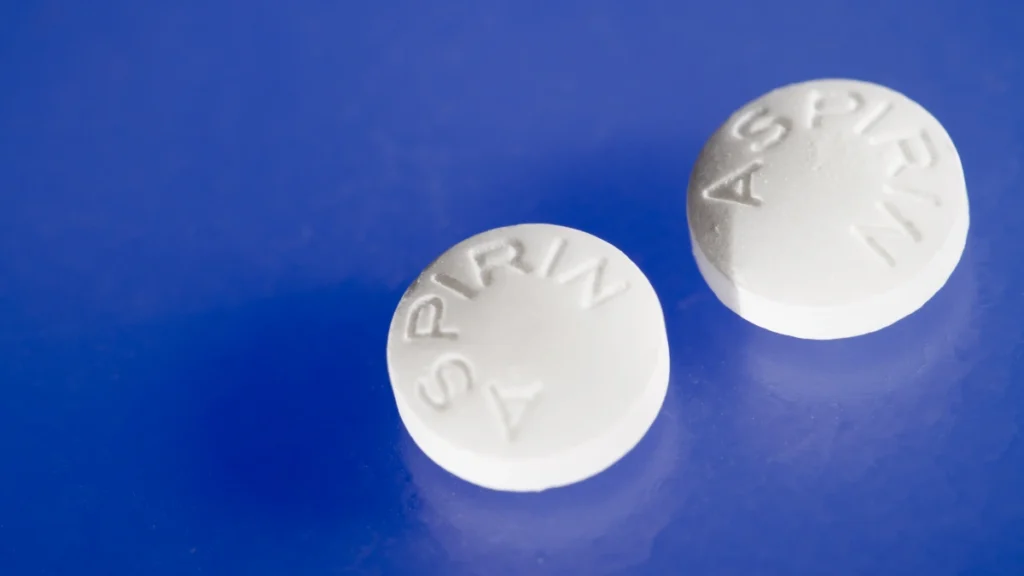
For decades, aspirin was seen as a simple way to protect the heart. Because aspirin thins the blood, doctors hoped it would lower the risk of heart attacks and strokes. Millions of people began taking a daily low dose, often without knowing whether it was truly needed.
But new research has reshaped how we think about aspirin, especially in older adults who have never had a heart attack or stroke. The ASPREE study, a large international trial led from Australia and published in leading medical journals showed that aspirin does not always provide the benefits many once believed it did. In fact, for healthy older adults, it may do more harm than good.
What was the ASPREE study?
ASPREE stands for Aspirin in Reducing Events in the Elderly. It followed more than 19,000 healthy older adults, most over the age of 70, across Australia and the United States. Importantly, these participants did not have a history of heart attack, stroke, dementia, or major disability when the trial began.
Half of the participants took a daily low dose of aspirin (100 mg), and the other half took a placebo. Researchers followed them for nearly five years to see whether aspirin could help them live longer and healthier lives.
What did ASPREE find?
The findings were striking. Aspirin did not reduce the risk of heart attacks or strokes in this group. It also did not help people live longer, or live disability-free for longer. Instead, aspirin increased the risk of major bleeding, including bleeding in the stomach and brain. Some participants also developed anaemia from small, unrecognised bleeds.
These results suggested that in otherwise healthy older adults, aspirin was more likely to cause harm than to provide protection.
The extended follow-up
Researchers continued to track participants even after the main trial ended, with results published in the European Heart Journal (Oxford University Press). This long-term follow-up provided even more clarity. Over a combined period of nearly eight years:
- Aspirin still showed no lasting benefit in preventing heart attacks, strokes, or other major cardiovascular events.
- Those who had been on aspirin actually showed a slightly higher rate of cardiovascular events after the trial ended.
- The risk of serious bleeding remained significantly higher in those who had taken aspirin.
In other words, the harm seen during the trial did not “even out” with longer follow-up. The evidence only reinforced the conclusion: aspirin is not useful as a blanket prevention tool for healthy older adults, and it can be risky.
What does this mean for patients?
Aspirin still plays a vital role for people who already have heart disease such as those with a past heart attack, stent, or bypass surgery. This is called secondary prevention and in these cases, the benefits of aspirin usually outweigh the risks.
But for primary prevention trying to prevent a first heart attack or stroke, the picture is very different. In older adults, aspirin offers no clear cardiovascular benefit and carries significant bleeding risk. That is why major guidelines now recommend not starting aspirin in people aged 60 or older for primary prevention.
The bigger picture of heart health
Aspirin is not the answer for everyone, but that doesn’t mean nothing can be done. In fact, the ASPREE study highlights how powerful other proven measures really are. The real drivers of heart disease include high blood pressure, high cholesterol, diabetes, smoking, and family history. Managing these risk factors makes the biggest difference.
Simple, everyday steps, keeping blood pressure in check, lowering cholesterol, staying active, eating a balanced diet, avoiding smoking, managing diabetes, getting good sleep, and treating conditions like sleep apnoea, are the foundations of heart health. Unlike aspirin, these steps don’t just lower risk; they improve overall health and wellbeing.
Conclusion
The ASPREE study and its long-term follow-up changed how doctors view aspirin for prevention. For healthy older adults, the risks outweigh the benefits, and aspirin is no longer recommended as a routine preventive measure. For people who already have heart disease, however, aspirin remains an important part of treatment.
If you are currently taking aspirin and wondering whether it is right for you, don’t stop suddenly on your own. The best step is to speak with your doctor, who can consider your personal health, your risks, and your overall heart profile.