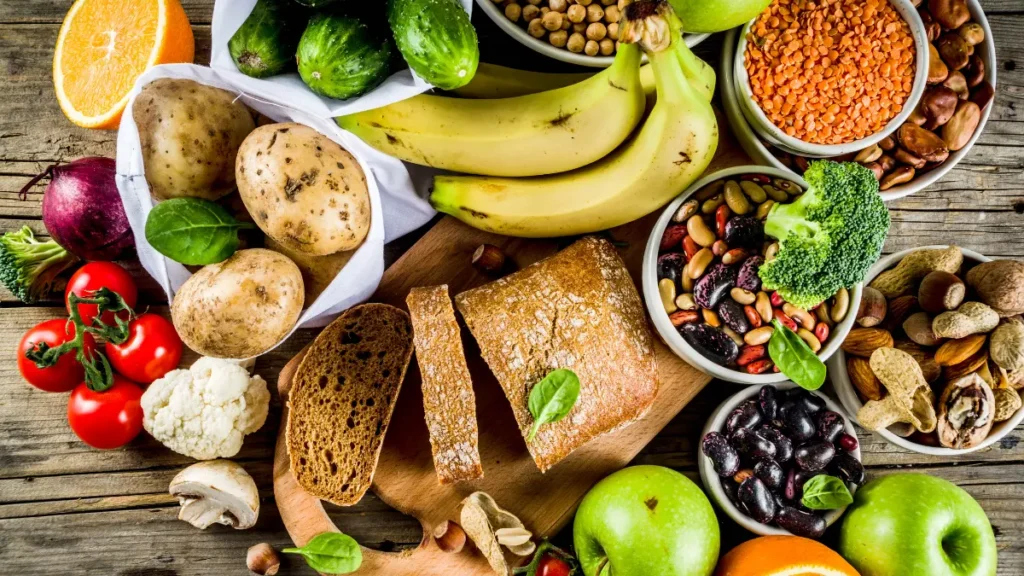
- Dietary fiber is found in plant foods, vegetables, fruits, legumes, and whole grains, and most of us don’t get nearly enough of it.
- There are two types: soluble fiber which may help lower cholesterol and stabilize blood sugar, and insoluble fiber which supports healthy digestion.
- Higher fiber intake is consistently associated with lower rates of heart disease, high blood pressure, stroke, and type 2 diabetes.
- Most guidelines recommend around 25–30 grams per day most adults are getting roughly half that.
- Real food is the best source. Small, consistent changes to what’s on the plate can make a meaningful difference over time.
Fiber doesn’t get the attention it deserves. When the conversation turns to diet and heart health, it tends to go straight to cholesterol, saturated fat, or omega-3s, all important. But fiber sits quietly alongside all of them as one of the most consistently protective nutrients in the diet, and one of the most straightforward to improve.
This article explains what dietary fiber is, what the research shows about its role in heart health, and some practical ways to include more of it. Anyone with specific health concerns or existing conditions is encouraged to discuss dietary changes with their doctor or a registered dietitian, as individual needs can vary considerably.
What Is Dietary Fiber?
Fiber is a type of carbohydrate found in plant foods, but unlike other carbohydrates, the body can’t fully break it down and absorb it. Instead, it passes through the digestive system largely intact, doing useful work along the way. There are two main types, and they work quite differently.
Soluble fiber dissolves in water to form a thick, gel-like substance in the gut. This gel slows digestion, which can support steadier blood sugar levels, contribute to feelings of fullness, and, most relevant for heart health, bind to cholesterol-containing compounds in the digestive tract and help carry them out of the body before they reach the bloodstream. Good food sources include oats, barley, apples, pears, legumes such as beans and lentils, and psyllium husk.
Insoluble fiber doesn’t dissolve, instead it adds bulk and helps food move through the digestive system more efficiently, supporting regular bowel function. It’s found in whole grain bread and cereals, nuts, and the skins of fruits and vegetables.
Most plant foods contain a mix of both types. A bowl of oats is rich in soluble fiber; whole grain toast adds insoluble. A serve of lentils delivers both. Eating a variety of plant foods through the day tends to provide a good balance of each without needing to think too hard about the distinction.
What Fiber Does for Your Heart
The relationship between dietary fiber and cardiovascular health is one of the more consistent findings in nutritional research. Here’s what the evidence shows.
It May Help Lower Cholesterol
The gel formed by soluble fiber in the digestive tract can trap cholesterol-containing compounds and carry them out of the body. Over time, this process may reduce the level of LDL cholesterol, often referred to as the “bad” cholesterol, circulating in the blood. Studies looking specifically at soluble fiber from oats and barley suggest reductions in LDL cholesterol of around 5–10% in people who eat these foods regularly. The effect is modest but meaningful, particularly as part of an overall heart-healthy eating pattern.
It May Help with Blood Pressure
High blood pressure, also called hypertension, is one of the most significant risk factors for heart attack and stroke. Higher fiber intake has been consistently associated with modestly lower blood pressure in research, particularly when it replaces processed and high-sodium foods. A large analysis published in JAMA Internal Medicine found that increasing fiber intake was linked to reductions in both numbers of a blood pressure reading.
It May Help Manage Blood Sugar
By slowing the absorption of sugar into the bloodstream, soluble fiber can help moderate the rises in blood sugar that occur after eating. Over time, this may reduce strain on the body’s blood sugar regulation. This is particularly relevant for heart health, since persistently elevated blood sugar is associated with damage to blood vessels and a higher risk of cardiovascular disease. People managing diabetes should discuss any significant dietary changes with their healthcare team.
The Bigger Picture
Large long-term studies consistently show that people with higher dietary fiber intakes have lower rates of cardiovascular disease overall, not just improved numbers on a blood test, but fewer heart attacks and strokes. A widely cited review found that each additional 7 grams of fiber per day was associated with a 9% lower risk of cardiovascular disease. To put that in context, 7 grams is roughly a bowl of oats and a piece of fruit.
How Much Fiber Is Recommended?
Most guidelines recommend around 25 grams per day for women and 30 grams per day for men. The average adult gets roughly 15–20 grams, so there is room to improve for most people, and the gap is smaller than many expect.
Closing that gap doesn’t require an overhaul. Choosing whole grain bread instead of white, adding a serve of legumes to a meal, or swapping a packaged snack for a piece of fruit are all modest shifts that add up meaningfully over time.
| Food | Serving | Approximate Fiber |
|---|---|---|
| Rolled oats (cooked) | 1 cup | 4 g |
| Canned lentils (drained) | ½ cup | 8 g |
| Canned chickpeas (drained) | ½ cup | 6 g |
| Whole grain bread | 2 slices | 4–5 g |
| Apple (with skin) | 1 medium | 4 g |
| Broccoli (cooked) | 1 cup | 5 g |
| Almonds | 30 g (small handful) | 4 g |
| Psyllium husk | 1 tablespoon | 5 g |
A day that includes oats for breakfast, a piece of fruit as a snack, a whole grain sandwich with salad at lunch, and a dinner featuring legumes or a generous serve of vegetables can comfortably reach 25–30 grams, without any supplements at all.
Practical Ways to Eat More Fiber
- Include oats at breakfast. Rolled oats are among the richest sources of soluble fiber available and can be prepared in many ways. See our article on the heart benefits of oats for more.
- Consider psyllium husk as a simple addition. Psyllium husk is a concentrated source of soluble fiber that many people find easy to stir into oats, yogurt, or a smoothie, it’s largely tasteless and dissolves easily. It’s worth a conversation with your doctor about whether it suits your situation, particularly if you have any bowel conditions or take other medications.
- Add legumes to meals a couple of times a week. Canned chickpeas, lentils, and kidney beans are versatile and easy to incorporate into soups, pasta sauces, curries, or salads. A half-cup adds around 6–8 grams of fiber.
- Choose whole grain versions where possible. Whole grain bread, brown rice, and whole wheat pasta all contain considerably more fiber than refined alternatives.
- Eat whole fruit rather than juice. Whole fruit retains the fiber that juicing removes, along with a more gradual effect on blood sugar.
- Keep the skin on fruit and vegetables where practical, a significant proportion of insoluble fiber is found there.
- Choose nuts as a snack option. A small handful of almonds or walnuts provides fiber alongside healthy fats and protein.
- Increase gradually. Adding too much fiber too quickly can cause bloating or digestive discomfort. Building up slowly over a few weeks, alongside plenty of water, tends to be much better tolerated.
A Note on Psyllium Husk
Psyllium husk is one of the most concentrated sources of soluble fiber available and among the better-studied fiber supplements. Research suggests it may help lower LDL cholesterol, support blood sugar management, and improve bowel regularity. Many people find it a simple and practical way to boost daily fiber intake, a teaspoon stirred into oats or a smoothie is largely undetectable in taste or texture.
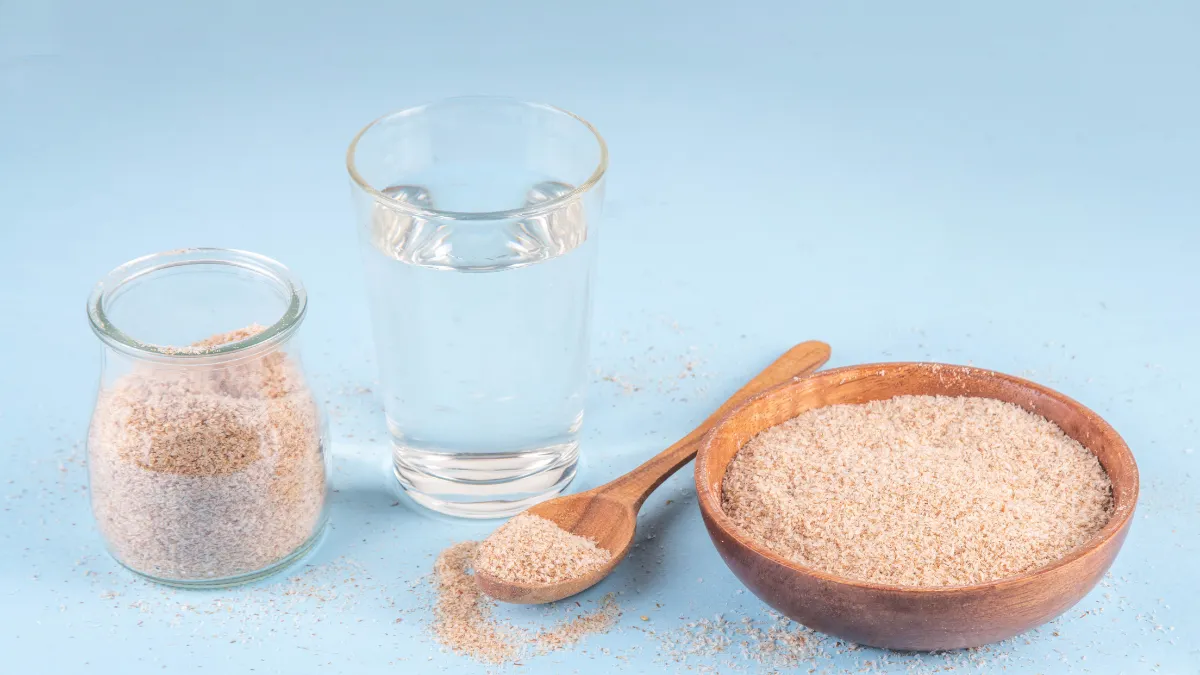
Psyllium husk, a concentrated source of soluble fiber widely available at pharmacies and supermarkets
As with any supplement, it isn’t suitable for everyone. People with certain bowel conditions, swallowing difficulties, or those on medications that may interact with fiber absorption should speak with their doctor before adding it regularly. It’s also worth noting that psyllium works best when taken with a full glass of water.
Conclusion
Dietary fiber is one of those areas where the evidence and the practical advice point clearly in the same direction. Higher fiber intakes are consistently associated with better cardiovascular outcomes across a large body of research, and the foods that deliver it are whole, nourishing, and widely available.
For most people, the goal isn’t a dramatic overhaul but a gradual shift toward more plant foods, whole grains, and legumes as part of an overall balanced diet. Small changes, made consistently, are where the real benefit tends to come from. If you’re unsure where to start or have specific health concerns, a conversation with your doctor or dietitian is always a good first step.