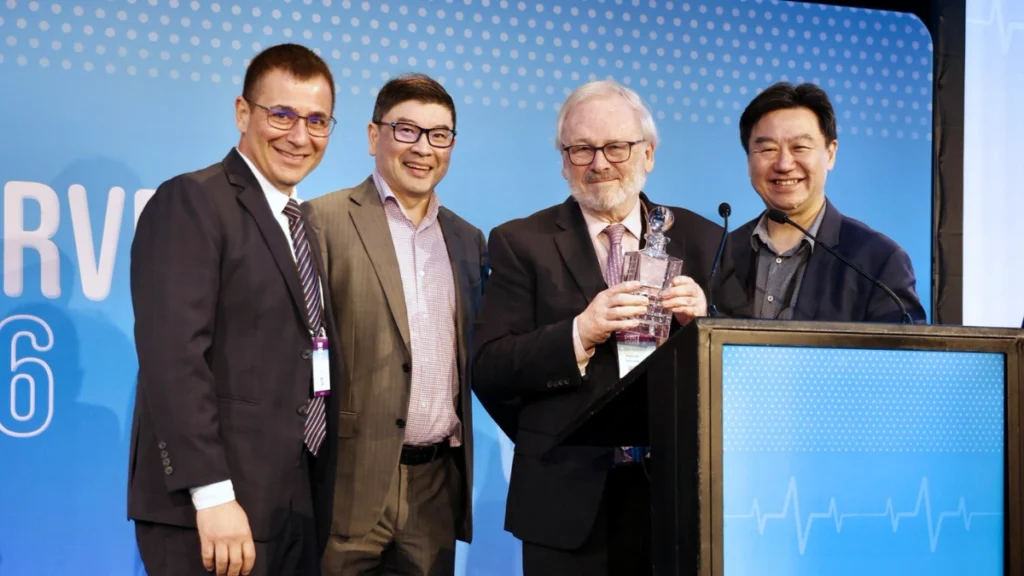
- Professor Patrick Serruys is one of the most influential figures in the history of interventional cardiology, with over 3,500 peer-reviewed publications and 250,000 citations.
- He introduced balloon angioplasty to the Netherlands in 1980 and performed the country’s first coronary stent implantation in 1986.
- He helped pioneer drug-eluting stents, now the global standard of care, implanted in millions of patients every year.
- In 2004, he performed the first percutaneous aortic valve replacement in the Netherlands, a procedure now known as TAVI.
- He remains scientifically active today, continuing to shape the future of cardiovascular medicine.
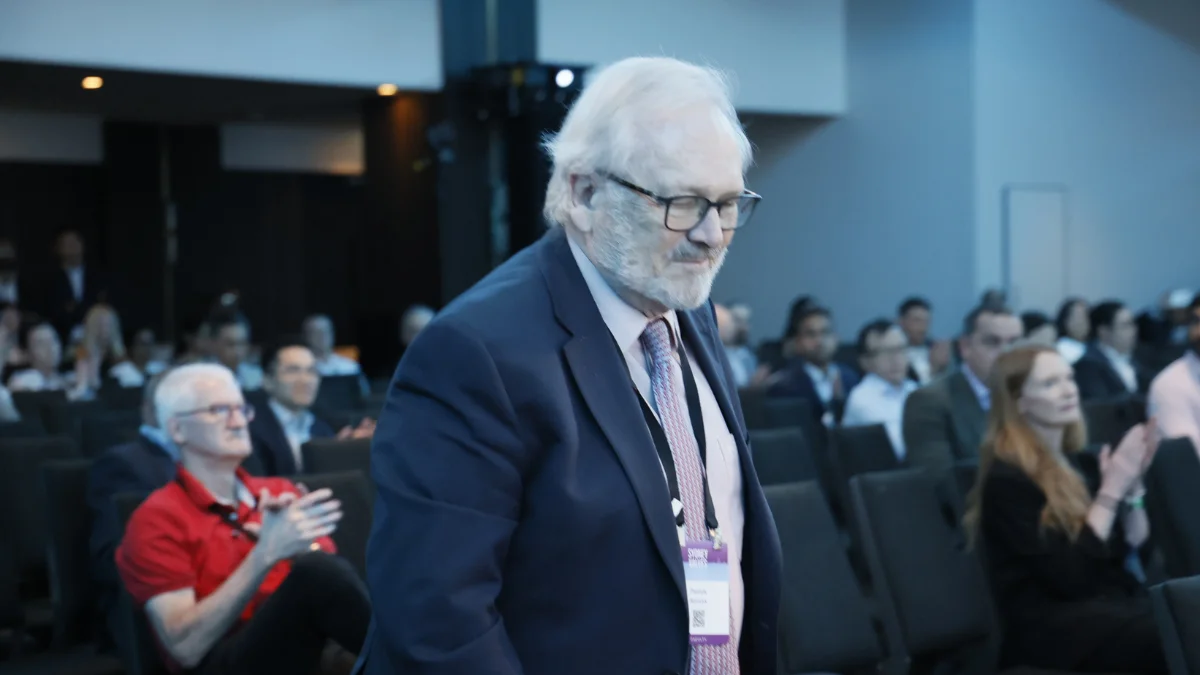
Last week, I had the honour of presenting a lifetime achievement award to a man who shaped not only my career, but the entire field of interventional cardiology. Professor Patrick Serruys visited Sydney, and standing in front of him with that award in my hands, I found myself thinking about the extraordinary distance modern heart medicine has travelled, and how much of that journey he personally led.
Patrick was my PhD supervisor. He wrote the foreword to my book on heart stents. We continue to collaborate to this day. But this article is not really about my connection to him, it is about what his work means for patients. Because if you or someone you love has ever had a coronary stent, a drug-eluting stent, or a catheter-based heart valve procedure, there is a very real chance that the treatment you received exists in its current form because of Professor Serruys.
Where It All Began
Patrick Serruys published his first scientific paper in the British Heart Journal in 1978. He was working at the Thoraxcenter in Rotterdam, then a young institution that would become one of the most important centres of cardiovascular innovation in the world. From the very beginning, he was drawn to a question that would define his career: could blocked heart arteries be treated without open-heart surgery?
At the time, the answer was far from obvious. Coronary artery bypass surgery was the standard of care. The idea that a cardiologist could thread a thin catheter through the blood vessels, navigate to a blocked artery in the heart, and open it from the inside, without a single incision on the chest, was genuinely radical.
In September 1980, Professor Serruys introduced balloon angioplasty to Rotterdam. A small balloon on the tip of a catheter, inflated inside the narrowed artery to compress the blockage and restore blood flow. It worked. But it had a significant problem, the artery often narrowed again within months, a process called restenosis. For more than a decade, he led thirteen clinical trials attempting to solve this problem with medications. The results were disappointing.
The history of medicine is full of researchers who, faced with repeated setbacks, simply kept going. What distinguishes Professor Serruys is that each disappointment redirected his curiosity rather than diminishing it. The solution to restenosis, it turned out, was not a drug, it was a device.
The Stent That Changed Everything
In 1986, Professor Serruys performed the first coronary stent implantation in the Netherlands, just months after the very first procedures anywhere in the world. A coronary stent is a tiny mesh scaffold, deployed inside the artery to hold it open after balloon angioplasty. It was a transformative development. Restenosis rates fell. Patients did better.
But the stent itself still caused some degree of restenosis in a proportion of patients, because the metal triggered a healing response from the artery wall that could cause re-narrowing over time. The next challenge was clear: could the stent itself deliver medication directly to the artery wall to prevent this response?
By the late 1990s, working with colleagues in Rotterdam and São Paulo, Professor Serruys helped pioneer the first drug-eluting stents stents coated with medication that releases slowly into the surrounding tissue, dramatically reducing restenosis. In 2000, during one of cardiology’s most prestigious lectures, he predicted this technology would spread worldwide. It did. Drug-eluting stents are now the global standard of care for coronary intervention, implanted in millions of patients every year.
In 1994, he led the first randomised controlled trial directly comparing stenting with balloon angioplasty alone, published in the New England Journal of Medicine, which contributed to regulatory approval of coronary stents by the United States FDA that same year. If you want to understand the evidence behind the stent in your own chest, you can read more on our Coronary Artery Disease page.
Beyond the Stent
Even as stenting transformed interventional cardiology, Professor Serruys was already thinking about its limitations. A permanent metallic scaffold left forever inside a coronary artery troubled him. What if the scaffold could dissolve once its job was done, leaving the artery free and natural?
In 2006, he introduced fully biodegradable coronary scaffolds made from polylactic acid, the same material used in dissolvable surgical sutures, that provided the structural support of a stent during the critical healing period, then gradually disappeared over two to three years. The concept and early results were published in The Lancet and the New England Journal of Medicine. This remains an active and evolving area of research.
His curiosity never stayed confined to coronary arteries. In 2004, together with the pioneering French cardiologist Alain Cribier, he performed the first percutaneous aortic valve replacement in the Netherlands threading an artificial heart valve through the blood vessels and implanting it inside the diseased native valve, without open-heart surgery. This procedure, now known as TAVI, has since transformed the treatment of aortic stenosis and is now offered to tens of thousands of patients worldwide who previously had no good surgical option.
The Scale of a Career
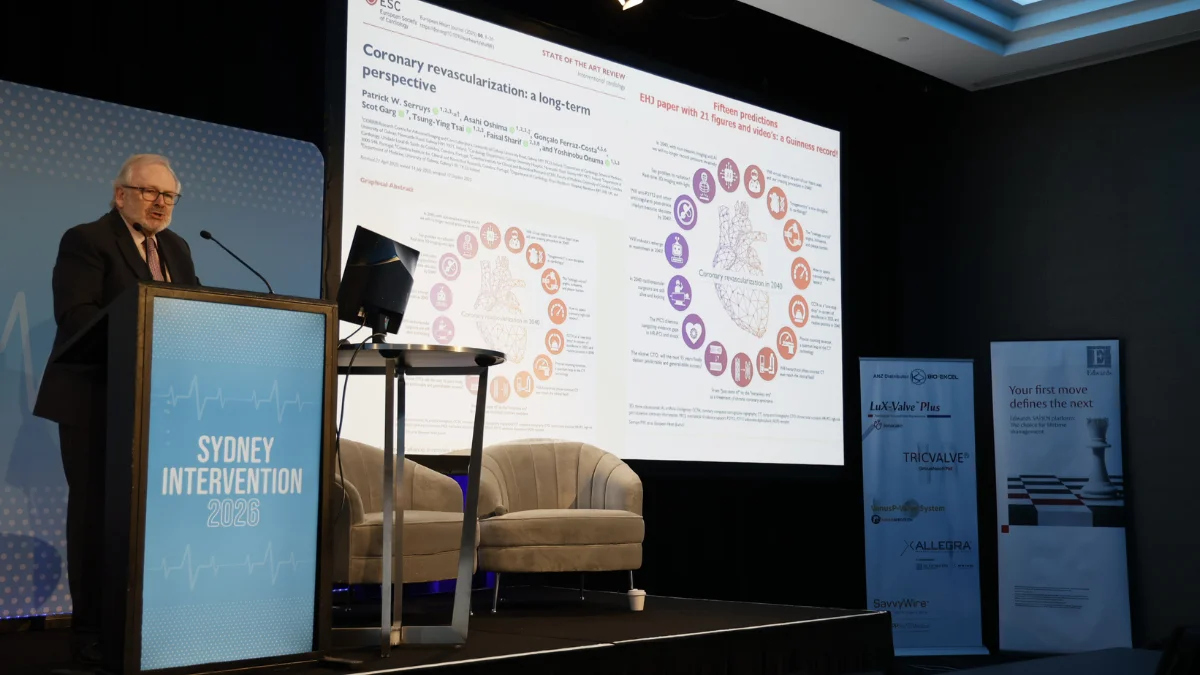
Numbers can feel abstract, but in this case they help convey something genuinely difficult to communicate in words. Professor Serruys has published more than 3,500 peer-reviewed scientific papers. His work has been cited more than 250,000 times by other researchers, placing him among the most cited medical scientists on the planet.
He has trained more than 400 interventional cardiologists and supervised more than 100 PhD candidates many of whom are now leading figures in the field in their own right. I am proud to count myself among them.
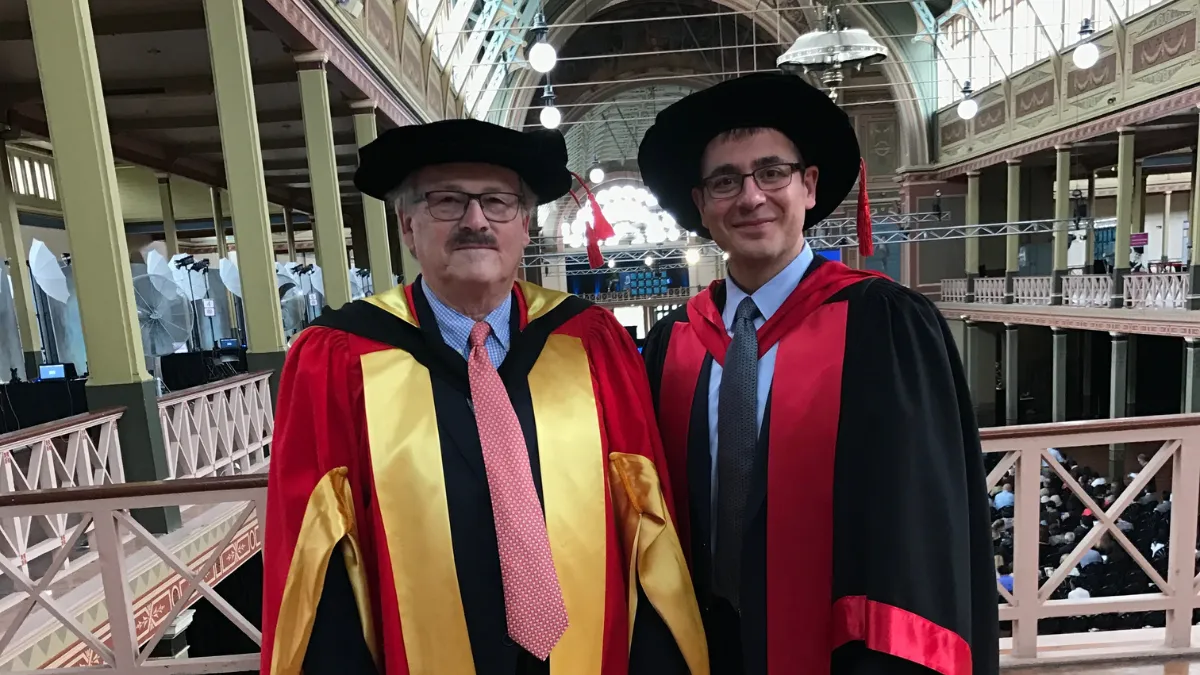
He is the author or co-author of 43 books and monographs, including three editions of the European Society of Cardiology’s flagship textbook of cardiovascular medicine. He holds an honorary doctorate in engineering from the University of Melbourne, a recognition that his contributions straddled the boundary between clinical medicine and biomedical engineering.
At the time of writing, he remains scientifically active at the University of Galway, where he established a research centre focused on advanced imaging and core laboratory science after his 36-year career at Erasmus University in Rotterdam. He cycles to the laboratory every day.
What This Means for Patients
I am sometimes asked by patients why any of this history matters to them. The answer is simple. Every time a cardiologist threads a stent into a blocked coronary artery, a procedure that takes less than an hour, requires no general anaesthetic, and sends most patients home the same day, they are building on decades of work by researchers like Professor Serruys who refused to accept that open-heart surgery was the only answer.
The treatments we now consider routine were once considered impossible. They exist because of people who asked difficult questions, ran rigorous trials, published honest results, including failures, and kept pushing. Understanding that journey helps patients engage more confidently with their own care.
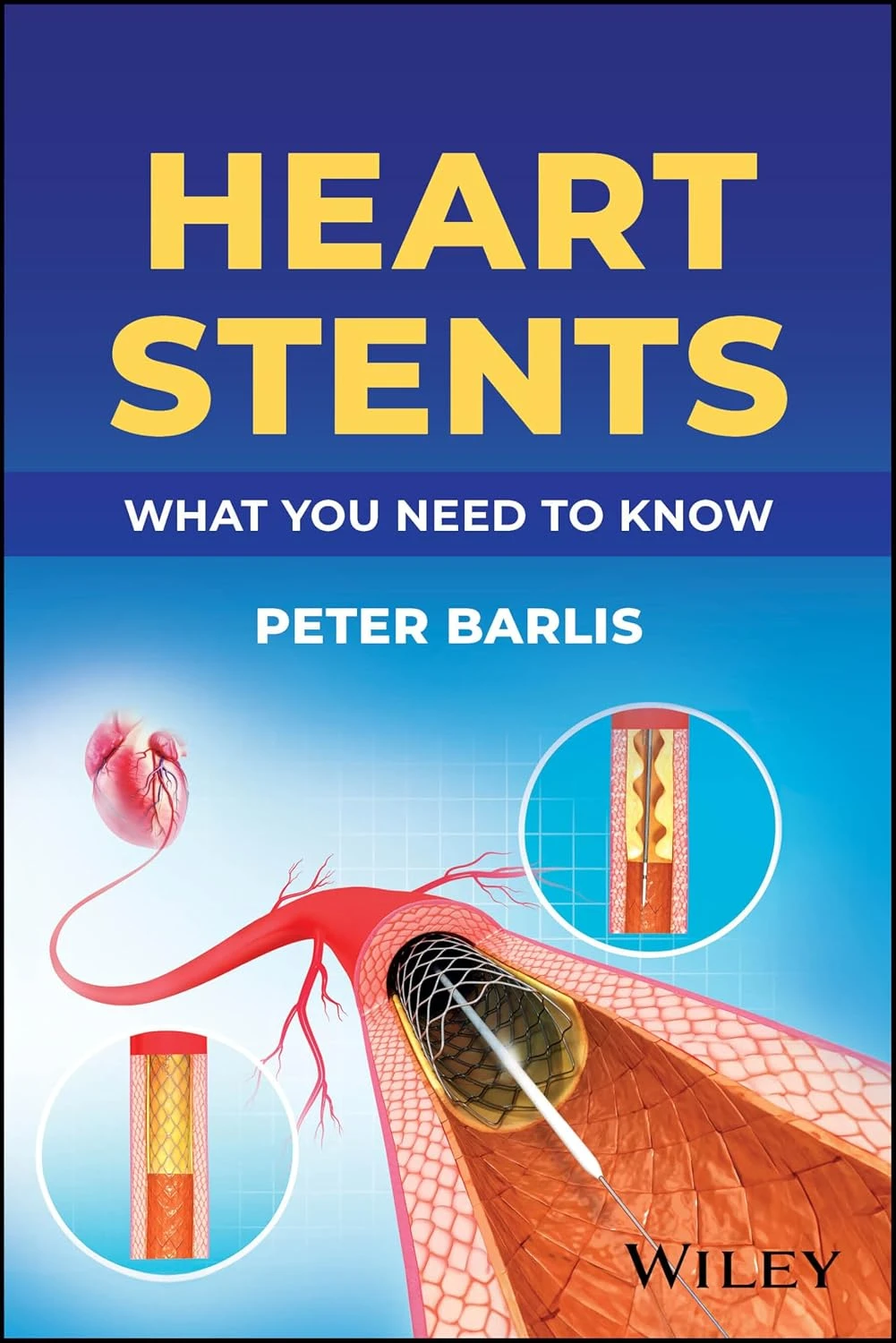
Heart Stents: What You Need to Know
A comprehensive guide by Professor Peter Barlis, with a foreword by Professor Patrick Serruys. Published by Wiley.
Conclusion
Presenting that lifetime achievement award to Patrick last week, in Sydney, surrounded by colleagues whose careers he has shaped, was one of the genuine privileges of my professional life. The field of interventional cardiology owes him an enormous debt.
And so, indirectly, do the millions of patients whose lives have been changed by the treatments he helped bring into existence. If you have ever had a stent placed, a valve replaced without open-heart surgery, or benefited from any of the imaging technologies now used in the catheterisation laboratory, there is a very good chance that Professor Serruys played a role in making that possible.
That is a legacy worth celebrating, not just within cardiology, but for every patient who has sat in a recovery room, gone home the next morning, and returned to their life.
More from Heart Matters: Coronary Artery Disease · Heart Stents Explained · TAVI, What to Expect · When in Doubt, Get Checked Out