
- ARBs (angiotensin receptor blockers) are one of the most widely prescribed heart medicines in the world, used for high blood pressure, heart failure, kidney protection in diabetes, and as a first-line alternative to ACE inhibitors.
- They relax blood vessels and reduce the heart’s workload by blocking the same hormonal pathway as ACE inhibitors, but through a slightly different mechanism that does not cause a dry cough.
- ARBs are the preferred choice for patients who need an ACE inhibitor but develop a persistent cough, and they provide equivalent heart and kidney protection without this side effect.
- Emerging evidence suggests medicines acting on this hormonal pathway may help slow neoatherosclerosis, the build-up of new plaque inside coronary stents, which is worth discussing with your cardiologist if you have had stents placed.
- ARBs must not be taken during pregnancy, as they can cause serious harm to a developing baby, the same as ACE inhibitors.
- Regular kidney function and potassium monitoring is an important part of long-term ARB therapy.
If you have been prescribed an ARB, or your doctor has suggested switching to one from an ACE inhibitor, you may be wondering what it does and how it differs from other blood pressure medicines. ARBs are among the most commonly prescribed classes of heart medicine in the world, and for many patients they represent a highly effective and well-tolerated option.
This article explains how ARBs work, what they are used for, and what to expect while taking one, in plain and practical language.
What Is an ARB and How Does It Work?
ARB stands for angiotensin receptor blocker. To understand what it does, it helps to know a little about the hormonal system it targets.
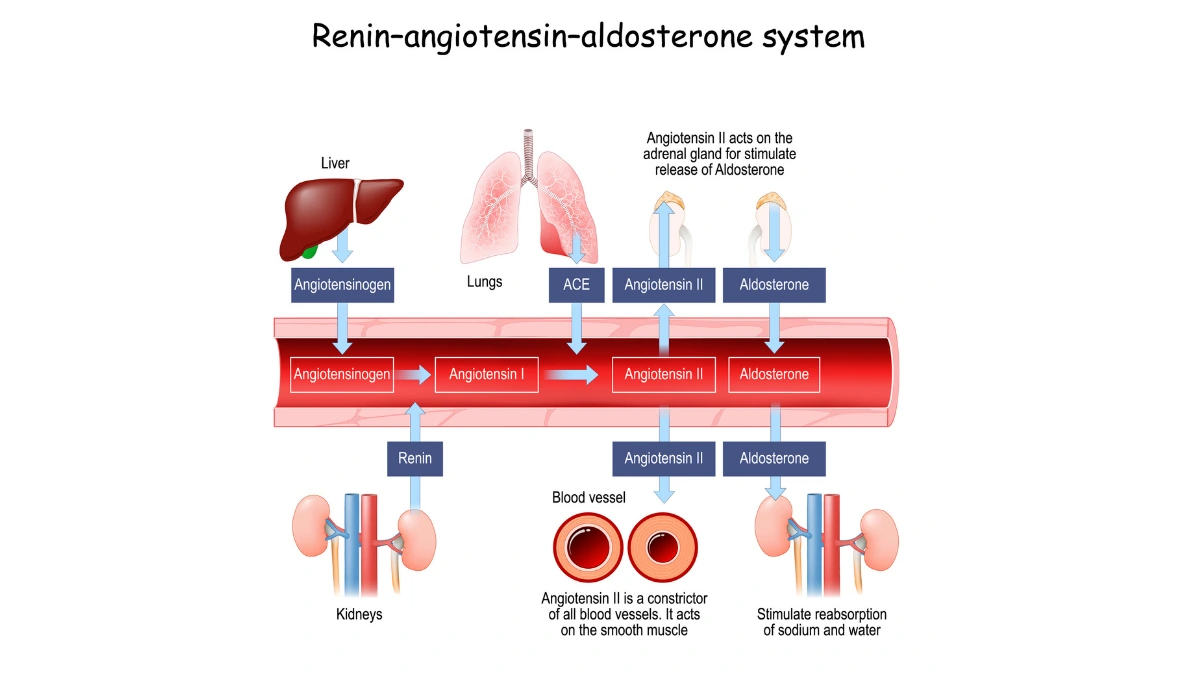
The body has a regulatory system called the renin-angiotensin-aldosterone system (RAAS), a hormonal pathway that controls blood pressure and fluid balance. One of its key players is a hormone called angiotensin II, which causes blood vessels to constrict and the body to retain salt and water. When this system is overactive, as happens in high blood pressure, heart failure, and after a heart attack, it puts excessive strain on the heart and vessels.
ARBs block the receptor that angiotensin II normally attaches to. By preventing it from binding, they stop its harmful effects. Blood vessels relax and widen, blood pressure falls, and the heart has less to push against.
ARBs and ACE inhibitors work on the same hormonal pathway but at different points. The practical difference: ARBs provide the same protection without the persistent dry cough that affects roughly 1 in 10 people on ACE inhibitors.
ARBs vs ACE Inhibitors: What Is the Difference?
This is one of the most common questions patients ask, and it is worth answering clearly.
| ACE Inhibitors | ARBs | |
|---|---|---|
| How they work | Block the enzyme that produces angiotensin II | Block the receptor that angiotensin II attaches to |
| Dry cough | Yes, affects 10 to 15% of patients | No, does not cause a cough |
| Cardiovascular protection | Excellent, decades of evidence | Equivalent, preferred when ACE cough occurs |
| Kidney protection | Yes, particularly in diabetes | Yes, equivalent protection |
| Angioedema risk | Small but present | Very rare, but do not use if prior ACE angioedema |
| Pregnancy | Contraindicated | Contraindicated |
| Can they be combined? | Generally not recommended. Combining both significantly increases kidney and potassium risks without added benefit | |
If you have been switched from an ACE inhibitor to an ARB because of a persistent cough, this is a completely routine and clinically sound decision. The heart and kidney protection is equivalent. You are not receiving inferior treatment, simply a better-tolerated one. If you would like to understand that cough in more detail, we cover it in our article on the ACE inhibitor cough.
What Are ARBs Used For?
| Condition | How ARBs Help |
|---|---|
| High blood pressure (hypertension) | Relax blood vessels and reduce fluid retention, lowering blood pressure and reducing stroke and heart attack risk |
| Heart failure | Reduce the heart’s workload, improve breathlessness and fatigue, and lower hospitalisation risk, used when ACE inhibitors are not tolerated |
| After a heart attack | Protect against harmful remodelling of the heart muscle, used when ACE inhibitors cannot be tolerated |
| Diabetic kidney disease | Reduce pressure in the kidney’s filtering units, slowing progression of kidney damage and reducing protein loss in urine |
| Coronary artery disease | Additional cardiovascular protection beyond blood pressure lowering, particularly valuable in high-risk patients |
| Stroke prevention | Maintain optimal blood pressure to reduce the risk of both ischaemic and haemorrhagic stroke |
Commonly Prescribed ARBs: Names and Doses
Several ARBs are widely available. Your doctor will choose the most appropriate one based on your condition, your other medicines, and your individual circumstances.
| Generic Name | Common Brand Names | Typical Use |
|---|---|---|
| Candesartan | Atacand | Blood pressure, heart failure |
| Irbesartan | Avapro, Karvea | Blood pressure, diabetic kidney disease |
| Losartan | Cozaar | Blood pressure, kidney protection, heart failure |
| Valsartan | Diovan | Blood pressure, heart failure, post heart attack |
| Telmisartan | Micardis | Blood pressure, cardiovascular risk reduction |
| Olmesartan | Olmetec, Benicar | Blood pressure |
Most ARBs are taken once daily, with or without food. The right ARB, dose, and duration is individual, and only your doctor or cardiologist can advise what is right for you. Take it as prescribed, and do not adjust or stop your dose without speaking to them first.
Combination Tablets Containing ARBs
Like ACE inhibitors, ARBs are very commonly prescribed as part of a combination tablet, meaning your single blood pressure pill may actually contain an ARB alongside a diuretic or a calcium channel blocker. This is completely routine and simply makes it easier to take multiple medicines consistently.
- Valsartan and amlodipine, sold as Exforge.
- Valsartan and hydrochlorothiazide, sold as Co-Diovan.
- Telmisartan and amlodipine, sold as Twynsta.
- Olmesartan and amlodipine, sold as Sevikar.
- Irbesartan and hydrochlorothiazide, sold as Avapro HCT and CoAprovel.
- Candesartan and hydrochlorothiazide, sold as Atacand Plus.
If you are unsure whether your tablet contains an ARB, ask your pharmacist, who can tell you immediately. This matters if you develop any new symptoms, need to adjust your medicines, or are facing a procedure or pregnancy.
Side Effects: What to Expect
ARBs are among the best-tolerated cardiovascular medicines available. Most people take them for years without significant problems. That said, knowing what to watch for helps you stay informed and flag anything relevant to your doctor early.
- Dizziness or lightheadedness can occur, particularly when first starting or after a dose increase. The blood pressure-lowering effect can cause a brief sensation of dizziness when standing up quickly. Take your time when rising from a chair or bed, and this usually settles within a few weeks.
- Elevated potassium (hyperkalaemia) can develop because ARBs reduce potassium excretion through the kidneys. In most people this is not a problem, but in those with kidney disease or on other potassium-raising medicines, levels can rise too high. Regular blood tests will monitor this.
- Reduced kidney function can show up as a small early dip in kidney markers, which is common and expected. Blood tests track this during treatment.
- Headache or fatigue is occasionally reported, and is usually mild and settles over time.
- Angioedema is extremely rare with ARBs but possible. Sudden swelling of the lips, tongue, or throat requires immediate emergency medical attention. If you have previously had angioedema with an ACE inhibitor, ARBs should be used with caution and specialist guidance.
- Cough is not a typical ARB side effect, unlike with ACE inhibitors. If you develop a cough on an ARB, discuss it with your doctor, as another cause is more likely.
Important Safety Points
- Pregnancy is a clear contraindication. Like ACE inhibitors, ARBs can cause serious harm to a developing baby. If you are pregnant, planning to become pregnant, or become pregnant while taking an ARB, contact your doctor immediately.
- Dehydration and illness can be a problem, because during significant illness with vomiting, diarrhoea, or reduced fluid intake, ARBs can cause kidney function to worsen. Ask your doctor about sick day rules, when to temporarily stop and when to safely restart.
- NSAIDs are worth avoiding where possible, because regular use of anti-inflammatory pain medicines like ibuprofen can reduce the effectiveness of ARBs and increase kidney risk. Paracetamol is generally the safer choice.
- Salt substitutes often contain potassium chloride. Combined with an ARB, this can raise potassium to unsafe levels. Check with your pharmacist before using one.
- Combining with an ACE inhibitor is generally not recommended. Using both together significantly increases the risk of low blood pressure, kidney problems, and dangerously high potassium without providing additional heart benefit.
ARBs, Stents and Plaque: An Emerging Insight
If you have had a stent placed in a coronary artery, there is an emerging area of research worth raising with your cardiologist at your next appointment.
After a stent is placed, a process called neoatherosclerosis can develop over time, where new plaque-like changes form inside the stent itself. This is driven in part by inflammation in the vessel wall, and it can contribute to stent-related problems months or years after the procedure.
Emerging evidence suggests that medicines acting on the renin-angiotensin system, including ACE inhibitors and ARBs, may help slow this process through their anti-inflammatory and vascular protective effects. The signal is stronger for ACE inhibitors than for ARBs, and this potential benefit would sit on top of their established roles in blood pressure and heart failure management.
The evidence here is still evolving, and this is not yet a standard guideline recommendation. Even so, it is a reasonable question to raise, particularly if you have had multiple stents or a complex coronary history. If you are already on an ARB, it may be an added reason your cardiologist wants you to continue it long-term. This reflects emerging research and is intended to support an informed conversation with your healthcare team, not to replace individualised advice.
Conclusion
ARBs are one of the most versatile and well-tolerated classes of heart medicine available, offering reliable blood pressure control, meaningful heart and kidney protection, and an excellent side effect profile. For patients who need an ACE inhibitor but cannot tolerate the cough, ARBs provide equivalent protection in a more comfortable form.
The right ARB and dose for you depends on your blood pressure, kidney function, other conditions, and other medicines, so these decisions are best made in partnership with your doctor or cardiologist. If you have questions about your ARB, how long to take it, or whether it is the right choice for your situation, your next appointment is the place to raise them.
Related Reading
- ACE Inhibitors: Beyond Blood Pressure Treatment
- The ACE Inhibitor Cough: A Common Side Effect with a Simple Solution
- Calcium Channel Blockers: Amlodipine, Felodipine, Nifedipine, and More
- High Blood Pressure: Why Monitoring Matters and What Your Numbers Mean
- How to Lower Blood Pressure Naturally
- HFrEF and HFpEF: Understanding the Two Types of Heart Failure
- Understanding Your Cardiovascular Risk Factors