- Infective endocarditis is an infection of the heart’s inner lining, usually settling on one of the valves. It is uncommon, but it is serious and it is often diagnosed later than it should be.
- The people most at risk are those with an artificial replacement valve, those who have had this infection before, and those with certain valve or congenital heart conditions.
- The symptom that matters most is a fever that will not go away. In someone with a known valve problem, a replacement valve, or a previous episode, an unexplained fever warrants assessment rather than waiting.
- Blood cultures taken before antibiotics are started are what make the diagnosis. Starting antibiotics first can make the infection much harder to identify.
- Guidance on antibiotics before dental work has narrowed considerably. It is now reserved for a defined high-risk group, and recommendations differ between countries.
- Everyday dental hygiene is now understood to matter more than any single dose of antibiotics before a procedure, because most bloodstream exposure comes from ordinary chewing and brushing rather than from the dentist.
Most heart conditions announce themselves with chest pain, breathlessness, or a change in rhythm. Infective endocarditis often announces itself as feeling generally unwell for weeks, with a low-grade fever that nobody can explain, and that is precisely why it is so frequently missed.
It is uncommon. Most cardiologists see a handful of cases a year rather than a handful a week. But it carries real risk if it is not identified, and the people most likely to develop it are often the people best placed to recognise it early, because they already know they have a valve problem.
What It Actually Is
The inside of the heart, including the surface of each valve, is lined with a thin smooth membrane called the endocardium. Blood passes over it constantly without sticking, which is exactly what you want.
Bacteria get into the bloodstream more often than most people realise. Brushing teeth, chewing food, a minor skin infection, a cannula in the arm. In a healthy heart the immune system clears them within minutes and nothing happens.
The problem arises where the lining is not smooth. A damaged or leaking valve, an artificial replacement valve, or a patch of scarring creates turbulence and a surface bacteria can stick to. Once attached, they build up a mass of infected material called a vegetation, which is protected from both the immune system and, to a degree, from antibiotics reaching it.

Three things follow from that vegetation, and they explain almost every symptom of the disease. It destroys the valve it sits on. It sheds fragments into the circulation. And it drives a continuous inflammatory response that makes the person feel systemically unwell.
Who Is Actually at Risk
This is not a random event. Risk is concentrated in identifiable groups, and clinicians sort people into three tiers. The tier matters for two reasons: it changes how seriously an unexplained fever is taken, and it determines whether preventive antibiotics are recommended before dental work.
Preventive antibiotics before dental work are generally recommended
- An artificial replacement valve, or artificial material used to repair a valve. Doctors call these prosthetic valves. They come in two kinds: mechanical ones made from man-made materials, and tissue ones made from treated animal or human tissue. Neither has the natural resistance to infection that a person’s own healthy valve does.
- A previous episode of endocarditis. The valve has already been damaged once, which makes it easier for bacteria to settle again.
- Certain congenital heart conditions, meaning those present from birth. This includes unrepaired defects such as a ventricular septal defect, the more complex conditions usually identified and treated in childhood, and any defect repaired using artificial material.
Antibiotics considered case by case, not routinely
- Significant valve disease, such as narrowing of the aortic valve, or mitral valve prolapse where the valve also leaks significantly. Prolapse without leaking, and the mild leaking commonly reported on a routine scan, are not in this group.
- Rheumatic heart disease, which remains a leading cause worldwide and accounts for a large share of cases wherever rheumatic fever is common.
- An implanted cardiac device such as a pacemaker or defibrillator, where infection can settle along the wires rather than on a valve.
- Thickened heart muscle or other structural abnormalities that disturb the flow of blood across a valve.
Risk comes from bacteria entering the blood, not from the valve itself
- Injecting drug use. A distinct and significant risk, and one that tends to affect the right side of the heart, which changes how the illness presents and which valve is involved.
- Long-term intravenous lines, dialysis access, and repeated hospital procedures. Each provides bacteria with a direct route into the circulation, and this group now accounts for a growing share of cases.
- Poor dental and gum health. Inflamed gums release bacteria into the bloodstream during ordinary chewing and brushing, day after day.
Most people fall into none of these groups, and for them the everyday risk is negligible. The reason the tiers matter is that they change the answer to two practical questions: what to do about a fever that will not settle, and what to do before a dental appointment.
The Symptom That Matters Most
If there is one thing worth taking from this article, it is this: an unexplained fever, in someone with a valve condition or a replacement valve, is worth investigating rather than waiting out.
The fever is often low grade. It comes and goes. It is easily attributed to a virus, and frequently is one. But the average delay between symptoms starting and diagnosis being made runs into weeks, and almost all of that delay comes from the illness looking unremarkable at the start.
Alongside fever, the common features are drenching night sweats, profound tiredness, loss of appetite, weight loss without trying, and aching joints or muscles. Taken individually each is unremarkable. Taken together, over weeks, in someone with a valve problem, they form a recognisable picture.
A fever with no obvious source, in a person with a valve problem, is endocarditis until something else explains it.
A/Prof. Nagesh Anavekar, Cardiologist
Less common but more specific signs exist, and clinicians look for them: small dark streaks under the fingernails, tender spots on the fingers or toes, painless marks on the palms and soles, and small haemorrhages in the eye. These are the classic findings described in textbooks, though they appear in a minority of modern cases.
Sometimes the first sign is not the infection itself but a fragment breaking off. That can cause a stroke, a sudden loss of blood supply to a limb, or pain in the back or abdomen. A stroke in a younger person with a fever is a combination that prompts a search for this diagnosis.
Why the Order of Tests Matters
The diagnosis rests on two things: growing the responsible bacteria from a blood sample, and seeing the mass on an ultrasound of the heart.
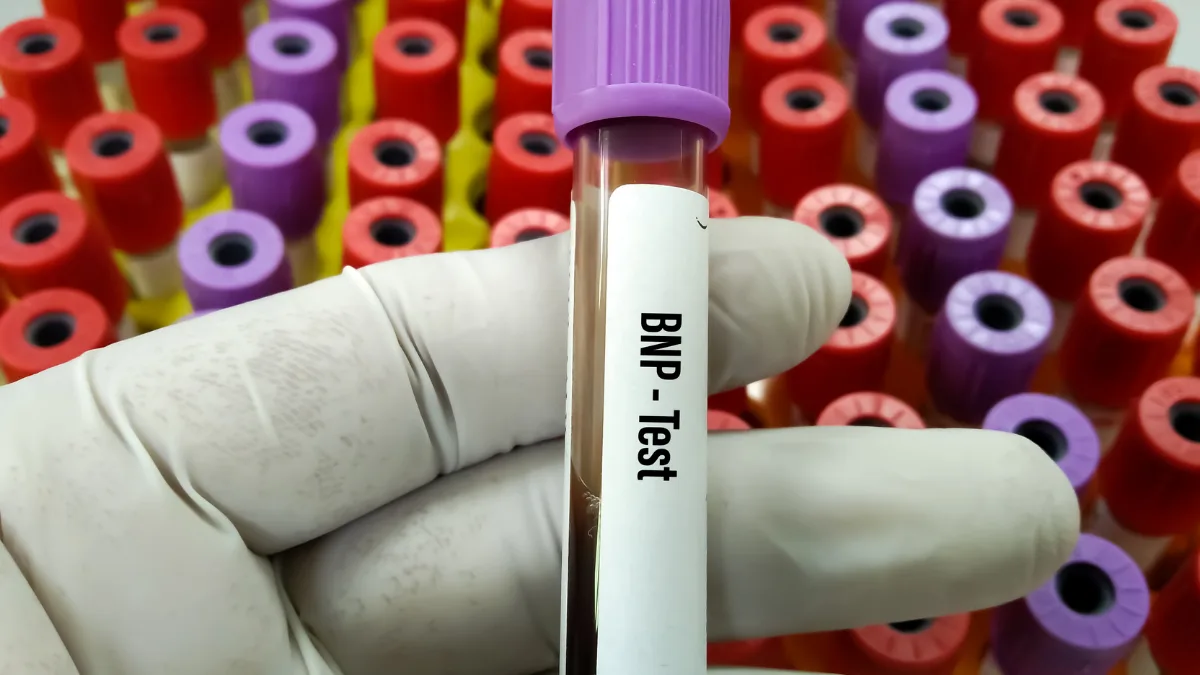
Blood cultures come first, and the timing genuinely matters. A blood culture is simply a blood sample kept warm in the laboratory for several days to see whether any bacteria grow from it, which identifies exactly what is causing the infection. Several sets are taken from different sites over a period of hours. Once antibiotics have been started, the bacteria may not grow, and a case where nothing is ever identified is considerably harder to treat because the choice of antibiotic becomes guesswork.
This is the practical reason clinicians are reluctant to start antibiotics for an unexplained fever before cultures are taken, and it can look like inaction to a worried patient. It is the opposite.
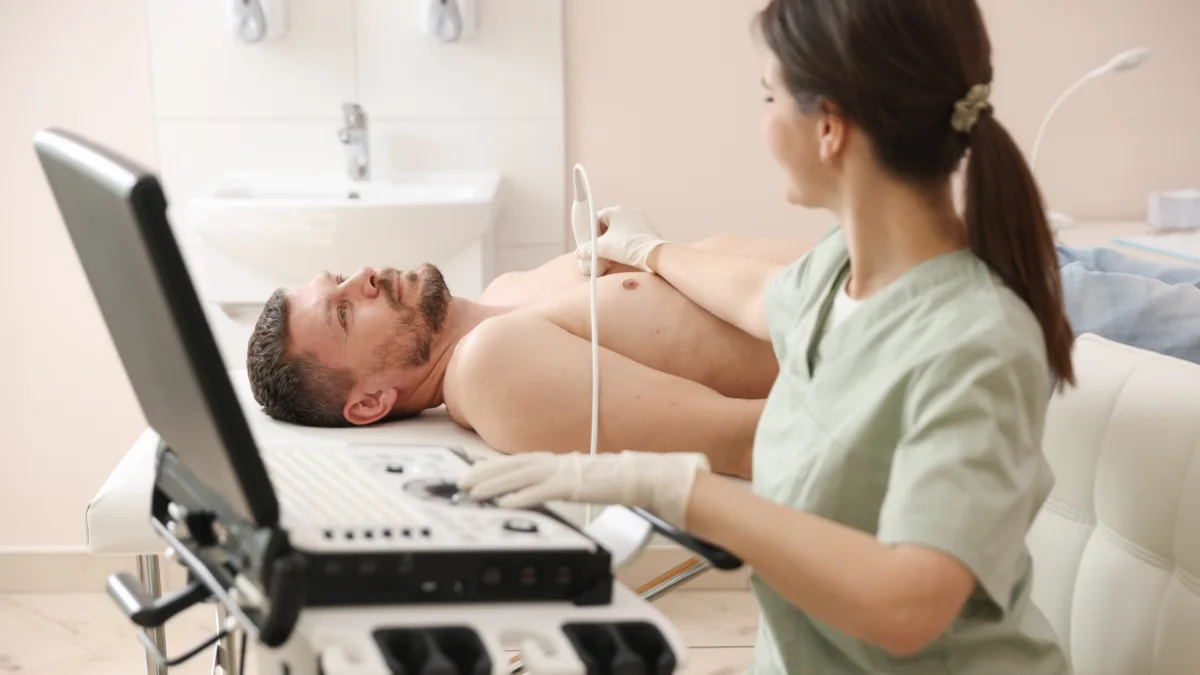
An echocardiogram follows. A standard scan through the chest wall detects many of these masses but misses smaller ones, and it sees replacement valves poorly because artificial material scatters the ultrasound beam.
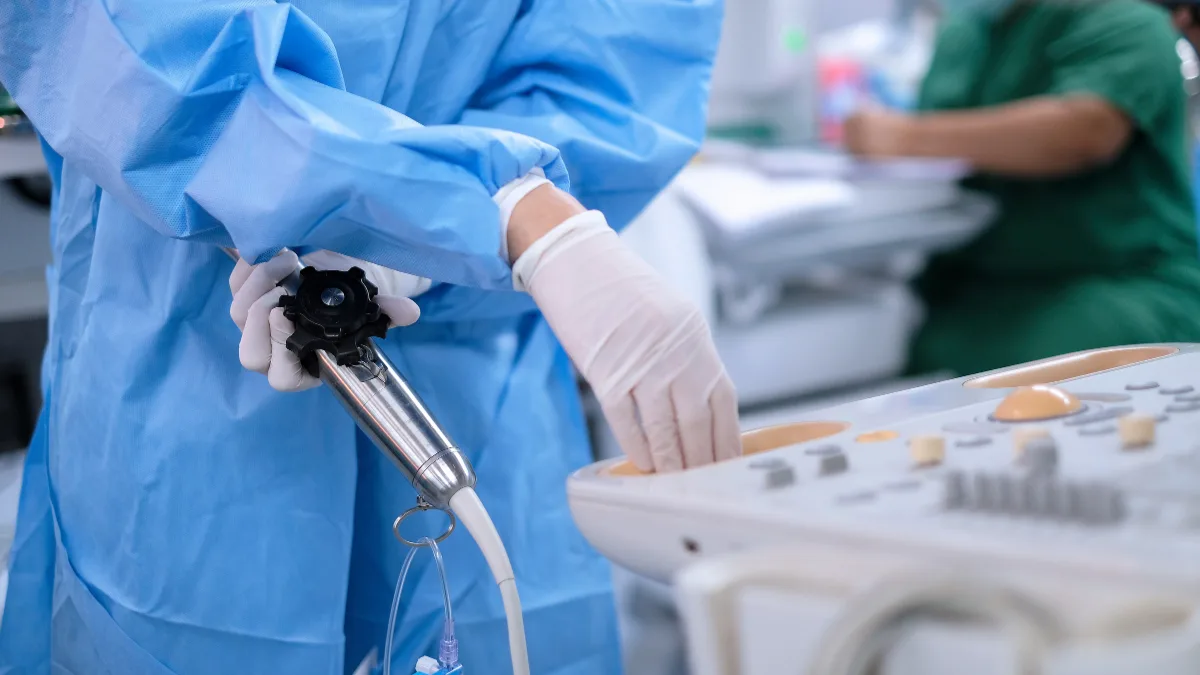
Where suspicion is high, or a replacement valve is involved, a transoesophageal echocardiogram is used instead. The probe sits in the oesophagus, directly behind the heart, and the improvement in image quality is substantial. It is the test that most often settles the question.
Blood tests showing signs of inflammation in the body support the picture without confirming it, and additional scans are sometimes used in difficult cases, particularly around replacement valves and the wires of implanted devices.
How It Is Treated
Treatment is a long course of antibiotics given directly into a vein, typically between two and six weeks depending on which bacteria are responsible and whether a replacement valve is involved. It is not a condition treated with tablets at home, at least not initially, because the concentration of antibiotic needed to penetrate a vegetation cannot be achieved by mouth.
Many people spend the first part of that course in hospital and complete the rest through a home intravenous service where one is available.
Surgery is needed in a substantial minority of cases, not because antibiotics have failed but because of what the infection has already done. The usual reasons are a valve destroyed badly enough to cause heart failure, infection that will not clear despite appropriate treatment, a large vegetation at high risk of shedding fragments, or a pocket of infection forming in the tissue around the valve.
The decision on whether and when to operate is made jointly by cardiologists, surgeons and infection specialists, and the timing is often finely balanced.
The Dental Antibiotics Question
This is where most confusion sits, and the confusion is understandable because the advice genuinely changed.
For decades, anyone with almost any valve abnormality was given antibiotics before dental work. That approach was abandoned because the evidence did not support it. The number of people needing to be treated to prevent one case was enormous, and antibiotics carry their own risks.
What replaced it is narrower. Preventive antibiotics before dental procedures involving the gums are now generally reserved for those at highest risk: people with an artificial replacement valve or artificial repair material in the heart, those who have had endocarditis before, and some people with congenital heart conditions.
Recommendations differ between countries. Guidance in the United Kingdom went further than that in Europe, the United States and Australia, and the position has shifted more than once. So the reliable answer is not what a general article says, but what your own cardiologist and dentist agree applies to you, and it is a reasonable thing to have written down.
The more important shift is what replaced the antibiotics.
Ordinary daily activities, chewing and brushing, release bacteria into the bloodstream far more often across a year than any dental appointment does. Someone with inflamed gums does this constantly. That is why routine dental care and good gum health are now regarded as the more meaningful protection, and why cardiologists ask about dental checkups in a way that can seem beside the point.
When to Seek Medical Assessment
For anyone with a replacement valve, a known valve problem, a previous episode of this infection, or an implanted device such as a pacemaker, the following warrant prompt assessment rather than waiting:
- A fever with no obvious cause that is not settling.
- Night sweats, unintended weight loss, or persistent exhaustion.
- Any sudden neurological symptom, or a limb that becomes painful, cold or pale.
It is worth mentioning the valve condition explicitly when seeking help, because it changes how a fever is interpreted. It is also worth asking whether blood cultures should be taken before any antibiotic is started, since that decision shapes everything that follows.
The Outlook
Infective endocarditis is a serious illness and it would be dishonest to present it otherwise. It carries meaningful risk even with good treatment, and that risk is higher with replacement valves and with certain bacteria.
What consistently improves the picture is time to diagnosis. Cases identified early, with the bacteria successfully identified from blood cultures and the right antibiotics started promptly, do considerably better than those found after weeks of an unexplained illness.
Which is the reason this article exists. The single thing most likely to change an outcome is a person with a valve condition, feeling vaguely unwell with a low fever, deciding it is worth mentioning.
The Essentials in One Place
| Question | The short answer |
|---|---|
| What are the symptoms? | A fever with no obvious cause that is not settling. Drenching night sweats, tiredness out of proportion to activity, loss of appetite, weight loss without trying, and aching joints or muscles. Occasionally the first sign is a stroke or a suddenly painful limb. |
| Who is most at risk? | Highest risk: an artificial replacement valve or artificial repair material, a previous episode, and certain congenital heart conditions. Moderate risk: significant valve disease, rheumatic heart disease, and implanted cardiac devices. Separately: injecting drug use, long-term intravenous or dialysis lines, and poor gum health. |
| When should assessment be sought? | Promptly, for anyone in those groups with an unexplained fever. Immediately, for any sudden neurological symptom, or a limb that becomes painful, cold or pale. |
| What confirms the diagnosis? | Blood cultures taken before any antibiotic is started, together with an ultrasound of the heart. A transoesophageal echocardiogram is often needed, particularly where a replacement valve is involved. |
| What does treatment involve? | Antibiotics given into a vein, usually for two to six weeks. Surgery in a substantial minority, generally because of damage the infection has already caused rather than because antibiotics have failed. |
Conclusion
Infective endocarditis is uncommon enough that most people will never encounter it, and serious enough that anyone in a higher risk group benefits from recognising it.
The essentials are few. Fever without explanation matters more in someone with a valve problem than in anyone else. Blood cultures before antibiotics are what make the diagnosis possible. And routine dental care does more good over a lifetime than any single preventive dose.
Anyone with a replacement valve, a previous episode, or significant valve disease would reasonably want to know where they sit on the current guidance, and that is a conversation worth having at a routine appointment rather than in an emergency department.
Sources
- Delgado V, Ajmone Marsan N, de Waha S, et al. 2023 ESC Guidelines for the management of endocarditis. European Heart Journal 2023;44(39):3948-4042.
- Baddour LM, Wilson WR, Bayer AS, et al. Infective Endocarditis in Adults: Diagnosis, Antimicrobial Therapy, and Management of Complications. A Scientific Statement from the American Heart Association. Circulation 2015;132:1435-1486.
- Thornhill MH, Dayer M, Lockhart PB, Prendergast BD. Endocarditis prevention: time for a review of NICE guidance. Discussion of why antibiotic prophylaxis guidance differs between the United Kingdom and other countries.
Related Reading
- Mitral Valve Prolapse: What You Need to Know
- Aortic Stenosis: When the Heart’s Gateway Narrows
- Rheumatic Heart Disease: A Preventable Condition Affecting Millions
- Transoesophageal Echocardiogram (TOE/TEE): What It Involves
- The Echocardiogram: What It Shows and Why It Matters
- What You Need to Know About Pacemakers
- The Anatomy and Physiology of the Human Heart