- SCAD, spontaneous coronary artery dissection, is a type of heart attack caused by a tear inside a coronary artery, not by cholesterol plaque. It is a distinct condition that affects a different group of people from typical heart disease.
- It occurs most commonly in women in their 40s and 50s, often in people with no conventional heart disease risk factors at all. It can also occur around the time of childbirth and in younger women.
- The outlook for most people with SCAD is very positive. The tear typically heals on its own over weeks to months, and most people make a full recovery with appropriate care and follow-up.
- Symptoms can feel similar to a standard heart attack, including chest pain, breathlessness, and fatigue, and require the same urgent response. If you experience these symptoms, call an ambulance immediately.
- SCAD is managed differently from standard heart attack treatment, which is why recognition and specialist assessment are so important. Long-term monitoring and cardiac rehabilitation play a central role in recovery.
A heart attack caused by SCAD is fundamentally different from the type most people are familiar with. In a standard heart attack, a coronary artery, one of the blood vessels that supplies the heart with oxygen, becomes blocked by a build-up of cholesterol plaque that ruptures. SCAD has nothing to do with cholesterol or plaque.
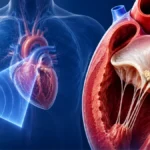
In SCAD, a spontaneous tear develops inside the wall of a coronary artery. This tear creates a false passage within the artery wall, and the blood that enters this passage can compress the artery from within, reducing or blocking blood flow to the heart. The result is a heart attack, but by a completely different mechanism, in a completely different type of patient.
Understanding that difference matters, both for the people it affects and for the clinical team caring for them, because the management approach differs importantly from standard heart attack treatment.
Who Does SCAD Affect?
SCAD is most commonly seen in women between their 40s and 50s, and this is one of its most striking features. Many of the people who experience SCAD are otherwise fit and healthy, with no high blood pressure, no high cholesterol, no diabetes, and no family history of heart disease. It is one of the most important conditions in women’s heart health precisely because it does not follow the expected pattern.
SCAD can also occur in the period around childbirth, most often in the first few weeks after delivery, though occasionally during pregnancy itself. This is thought to relate to the significant hormonal and physical changes the body undergoes during this time. It is rare but important to recognise, because chest pain in the postpartum period is not always attributed to cardiac causes quickly enough.
Men can develop SCAD too, though they represent a smaller proportion of cases. And while certain underlying conditions are associated with higher risk, many people who experience SCAD have none of them.
heart attacks in women under 50 are caused by SCAD, making it a leading cause of heart attack in younger women.
American Heart Association Scientific Statement
What Increases the Risk
Several factors are associated with a higher likelihood of SCAD, though it is important to understand that many people who develop it have none of these factors present.
Female sex and hormonal factors
SCAD affects women far more often than men. Hormonal influences, including oral contraceptives, fertility treatments, and the hormonal changes of pregnancy and delivery, are thought to play a role in artery wall stability.
Fibromuscular dysplasia
FMD is a condition where artery walls develop irregularly, making them more prone to tearing. It is more common in women and is one of the most frequently identified underlying conditions in people who experience SCAD.
Intense physical or emotional stress
A significant number of SCAD cases occur in the context of extreme physical exertion or intense emotional stress, both of which place sudden, significant demands on the cardiovascular system.
Connective tissue conditions
Inherited conditions that affect the body’s connective tissue, such as Marfan syndrome or vascular Ehlers-Danlos syndrome, can affect the structural integrity of blood vessel walls and are associated with higher SCAD risk.
Inflammatory conditions
Conditions that cause inflammation in blood vessels, including certain autoimmune diseases, can affect the integrity of artery walls and have been associated with SCAD in a small proportion of cases.
No identifiable cause
In a significant number of SCAD cases, no underlying cause is found. This is called idiopathic SCAD, and it is a reminder that the condition can occur even in the absence of any known risk factor.
Recognising the Symptoms
The symptoms of SCAD can feel very similar to those of a standard heart attack, which is exactly why they need to be taken just as seriously and responded to with the same urgency.
Chest pain or pressure is the most common symptom, but in SCAD, as in many heart attacks affecting women, the presentation can be less typical. Breathlessness, extreme fatigue, pain radiating to the jaw, neck, back, or arm, nausea, and sweating can all occur, sometimes without prominent chest pain. If any combination of these symptoms develops suddenly and feels different from anything experienced before, calling an ambulance immediately is the right response. Do not wait to see if it settles.
How SCAD Is Diagnosed
SCAD is diagnosed using a coronary angiogram, an investigation where a thin tube is passed to the heart arteries and dye is injected to make them visible on X-ray. The tear in the artery wall produces a characteristic appearance that distinguishes SCAD from standard coronary artery disease. In some cases, additional imaging, including an echocardiogram, is used to assess heart muscle function and guide management decisions.
Identifying SCAD accurately is important because its management differs from standard heart attack treatment in ways that matter clinically.
How SCAD Is Treated
The management of SCAD is tailored to the individual, and the approach depends on how stable the person is and how severely the artery has been affected.
For many people with SCAD, the preferred initial approach is conservative, managing with medications rather than immediately intervening in the artery. This is because the torn artery wall is often fragile, and intervention carries a higher risk of extending the tear rather than resolving it. Medications to protect the heart, manage blood pressure, and reduce the risk of clot formation are typically used while the artery is given the opportunity to heal.
In cases where blood flow is severely compromised and the person remains unstable, a procedure to open the artery, or in rare cases, bypass surgery, may be necessary. These decisions are made by the specialist team based on the full clinical picture.
Recovery: The Reassuring Picture
This is perhaps the most important section of this article for anyone who has been diagnosed with SCAD or is supporting someone who has.
The outlook for most people with SCAD is genuinely positive. The tear in the artery wall typically heals naturally over a period of weeks to months, and in the majority of cases, the artery returns to a normal appearance on follow-up imaging. Most people make a full recovery and return to their normal lives.
Cardiac rehabilitation, a structured programme of supervised exercise, education, and psychological support, plays an important role in recovery after a heart attack caused by SCAD and is strongly recommended. It helps restore physical confidence, addresses the anxiety that understandably accompanies a cardiac event, and provides a supported environment for returning to activity gradually and safely.
Activity restrictions during recovery are typically advised, particularly avoiding intense physical exertion while the artery heals. Your clinical team will give specific guidance based on your individual situation. Most people are able to return to full activity over time, with clear milestones and regular follow-up to guide the process.
SCAD is frightening to experience, and the diagnosis often comes as a shock because many of the people it affects have always thought of themselves as healthy. But the recovery picture for most patients is genuinely encouraging.
Prof. Peter Barlis, Interventional Cardiologist
Long-Term Follow-Up
Regular follow-up after SCAD is important, not because recurrence is common, but because ongoing monitoring gives both the patient and the clinical team confidence that recovery is progressing well and that any changes are identified early.
Follow-up typically includes monitoring clinical progress, assessment of heart function, medication review, and psychological support where needed. Many people find that connecting with SCAD patient communities, peer networks of people who have been through the same experience, is a valuable part of their longer-term recovery.
For women of childbearing age who have experienced SCAD, future pregnancy carries increased risk and requires careful specialist counselling before any decision is made. This is an important conversation to have with your cardiologist.
- Has the tear in my artery healed on follow-up imaging, and what does this mean for my activity level going forward?
- What medications do I need to continue taking and for how long?
- Am I a candidate for cardiac rehabilitation, and where can I access it?
- Was an underlying cause identified for my SCAD, such as fibromuscular dysplasia, and does this require further investigation or monitoring?
- What symptoms should prompt me to seek urgent assessment between appointments?
Heart Matters Resource
When in Doubt, Get Checked Out
If you have experienced SCAD and have questions about your recovery, your medications, or returning to activity, do not sit with those questions between appointments. Your clinical team would rather hear from you than have you worried at home.
Conclusion
SCAD is a distinct and important cardiovascular condition, different in its mechanism, its patient population, and its management from the heart disease most people are familiar with. It affects predominantly younger women, often in the absence of conventional risk factors, and it requires specialist recognition and care.
The recovery picture is the message worth holding onto. For most people, the artery heals, function returns, and a full and active life resumes. The path there involves careful follow-up, appropriate rehabilitation, and time, but the destination, for the majority of people with SCAD, is a genuinely good one.