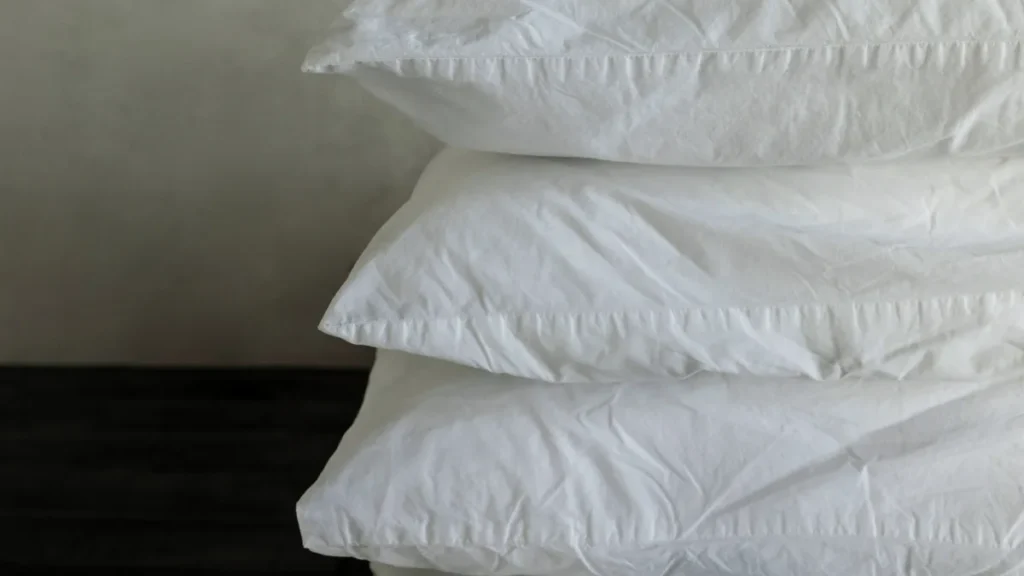
- Orthopnoea, breathlessness when lying flat, is a specific and clinically important cardiac symptom. It is a hallmark feature of heart failure.
- When the heart is not pumping efficiently, lying flat redistributes fluid from the legs and abdomen into the lungs, worsening congestion and triggering breathlessness.
- Needing extra pillows to sleep comfortably, or being unable to lie flat at all, is the classic presentation, and it is a symptom that should always be reported to a doctor.
- Paroxysmal nocturnal dyspnoea, waking from sleep acutely breathless, needing to sit up or go to a window, is a more severe form and requires urgent assessment.
- Orthopnoea is not a normal consequence of ageing, obesity, or being unfit. It is a symptom with a cause, and that cause is nearly always identifiable and treatable.
Most people reach for extra pillows without consciously registering what that habit represents. They started sleeping on two pillows, then three, then found that lying completely flat made them feel uncomfortable, a little breathless, uneasy. It seemed like a comfort preference, perhaps a back issue, perhaps just how they sleep.
In cardiology, the number of pillows a patient sleeps on is not a trivial question. It is one of the first things I ask when assessing heart failure. Orthopnoea, breathlessness that occurs or worsens when lying flat, is one of the most specific symptoms of elevated cardiac filling pressures and fluid accumulation in the lungs.
If you have found yourself needing more pillows to sleep comfortably, or if lying flat produces a sensation of breathlessness or unease that sitting up relieves, that symptom deserves a direct conversation with your doctor.
Why Lying Flat Causes Breathlessness
The physiology
When you stand or sit upright, gravity pools fluid in the legs and lower body. This reduces the volume of blood returning to the heart at any given moment and lessens the pressure burden on the pulmonary circulation.
When you lie flat, that fluid redistributes. Blood that was pooled in the legs now returns to the central circulation, increasing venous return, raising filling pressures in the heart, and in someone with impaired cardiac function or elevated pulmonary pressures, driving fluid into the lung tissue. The lungs become stiffer, gas exchange becomes less efficient, and breathlessness results.
In a healthy heart, this redistribution is handled without difficulty. In a heart that is already under strain, from heart failure, significant valve disease, or elevated filling pressures, lying flat can tip the balance from compensated to symptomatic.
Why the number of pillows matters
The number of pillows someone needs to sleep comfortably is a proxy for how elevated their filling pressures are. One pillow: normal. Two pillows: possibly starting to compensate. Three or more pillows, or unable to lie flat at all: filling pressures are likely significantly elevated and the heart is working hard to stay compensated.
Cardiologists even have a term for this, a patient who needs three pillows is said to have “three-pillow orthopnoea.” It sounds clinical and dry, but it captures something genuinely important: the progression from one to two to three pillows over weeks or months is a trajectory that tells a story about what is happening inside the heart.
Paroxysmal Nocturnal Dyspnoea, The More Urgent Form
Paroxysmal nocturnal dyspnoea (PND) is a more severe and alarming variant of the same mechanism. Rather than producing gradual breathlessness that prevents lying flat comfortably, PND wakes a person suddenly from sleep, often one to two hours after falling asleep, with acute, severe breathlessness.
The patient typically needs to sit up immediately, may go to an open window, and may feel a sense of panic or suffocation. The breathlessness usually improves over 15 to 30 minutes of sitting upright. It can be terrifying, and it is a symptom that requires urgent medical assessment, not the following morning’s GP appointment.
PND represents a more abrupt decompensation of the cardiac filling pressure than simple orthopnoea, and its presence usually indicates that heart failure management needs to be reviewed and intensified.
Causes
Heart failure
The most common cause of orthopnoea is heart failure, both the reduced ejection fraction variety (where the heart pumps weakly) and the preserved ejection fraction variety (where the heart pumps normally but is stiff and fills abnormally). In both, elevated left ventricular filling pressures drive the pulmonary congestion that lying flat worsens.
Significant valve disease
Mitral stenosis and severe mitral regurgitation both elevate left atrial and pulmonary pressures, the same haemodynamic mechanism. Orthopnoea in the context of known or suspected valve disease is an important symptom that may indicate the valve is now haemodynamically significant enough to require intervention.
Less common causes
Bilateral pleural effusions, fluid around both lungs, can produce positional breathlessness. Severe obesity can also produce breathlessness on lying flat through mechanical restriction rather than cardiac congestion, though cardiac causes should always be excluded first. Bilateral diaphragmatic weakness, rare but important, similarly worsens on lying supine.
Investigation
The investigation of orthopnoea begins with a BNP or NT-proBNP blood test, the cardiac stress marker that is reliably elevated when filling pressures are raised. An elevated result in someone with orthopnoea strongly supports a cardiac cause and directs the next steps.
An echocardiogram is the key imaging investigation, assessing left ventricular function, ejection fraction, valve status, and Doppler estimates of filling pressure. A chest X-ray may show pulmonary congestion or pleural effusions. The combination of these investigations usually identifies the cause efficiently.
I always ask patients with suspected heart failure how many pillows they sleep with. When that number has quietly climbed from one to three, I know things have been worsening, even if they thought they were managing fine.
— Prof. Peter Barlis, Interventional Cardiologist
Treatment
Orthopnoea is a symptom of an underlying condition, and treating the orthopnoea means treating the condition causing it. In heart failure, diuretics reduce fluid overload and relieve pulmonary congestion rapidly, many patients notice improvement in their ability to lie flat within days of optimised diuretic therapy. The broader heart failure medication regimen, the quadruple therapy of ACE inhibitors or ARBs, beta-blockers, MRAs, and SGLT2 inhibitors, addresses the underlying cardiac remodelling over longer time frames.
For valve disease, the threshold for intervention is partly determined by the presence of symptoms, orthopnoea is one of the symptoms that can tip the balance toward recommending repair or replacement.
- Is my need for extra pillows a cardiac symptom, and should I have a BNP test and echocardiogram?
- Have my filling pressures changed since my last assessment?
- I woke from sleep acutely breathless, is this paroxysmal nocturnal dyspnoea and how urgent is it?
- Is my diuretic dose adequate, should it be adjusted given my symptoms?
- What change in symptoms should prompt me to contact the heart failure team or seek urgent assessment?
Heart Matters Resource
When in Doubt, Get Checked Out
If you are needing extra pillows to sleep, or have been woken from sleep acutely breathless, do not attribute this to age or habit without a medical assessment. These are cardiac symptoms until proven otherwise.
Conclusion
Orthopnoea, breathlessness lying flat, is not a trivial symptom and it is not a normal part of ageing. It is a specific, clinically meaningful signal that the heart’s filling pressures are elevated and that fluid is accumulating in the lungs when gravity no longer helps to drain it away.
The extra pillow habit that develops so gradually it barely registers is worth questioning directly. How many pillows did you use a year ago? Have you stopped lying flat entirely? Have you woken from sleep breathless and frightened? These are the questions that matter, and the answers can lead to a diagnosis and a treatment that makes a real difference to how you sleep, how you feel, and how your heart is managed.
If any of this resonates, the conversation with your doctor is overdue.