- Obstructive sleep apnoea, often called OSA or simply sleep apnoea, is a condition where the airway repeatedly closes during sleep, causing breathing to stop briefly, sometimes hundreds of times a night. Most people have no idea it is happening.
- Sleep apnoea is common. Around one in ten adults has the moderate-to-severe form with the clearest cardiovascular consequences, and rates are even higher when milder cases are included. The vast majority of people who have it have never been diagnosed.
- The heart connections are significant and well established. Sleep apnoea is independently linked to high blood pressure, atrial fibrillation, heart failure, and increased risk of heart attack and stroke.
- Symptoms include loud snoring, waking feeling exhausted despite adequate sleep, morning headaches, and significant daytime tiredness. Many people have subtle symptoms and do not recognise the pattern.
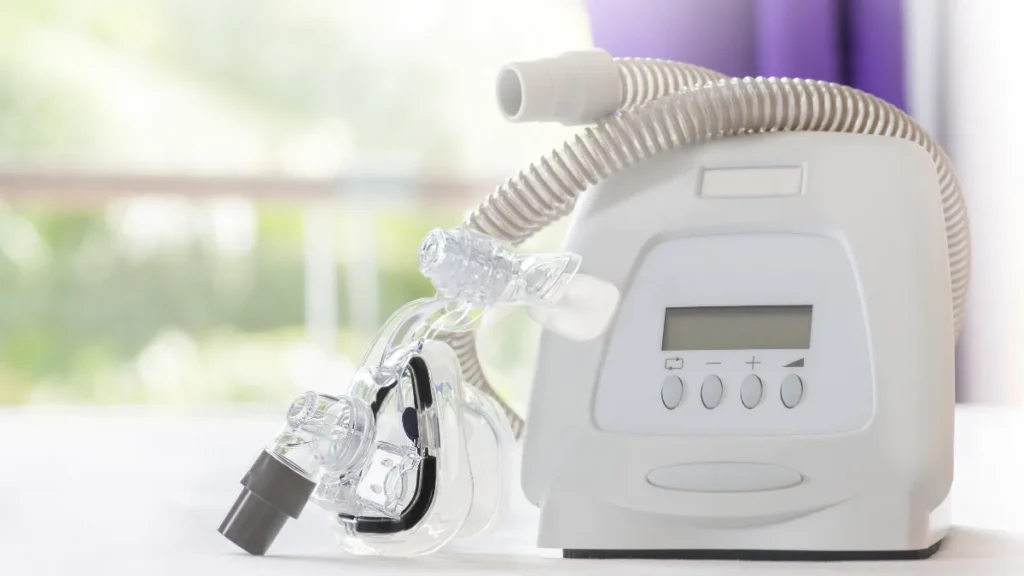
- Treatment with CPAP, a small device that keeps the airway open during sleep, is highly effective and produces real cardiovascular benefits including better blood pressure control and reduced atrial fibrillation burden.
Most people who have sleep apnoea do not know they have it. They know they snore. They know they feel tired no matter how much they sleep. They know they wake with a headache some mornings. But they have put these things down to age, to stress, to being overweight, and the possibility that something specific and very treatable is happening during the night has never been raised.
Sleep apnoea sits at the junction of sleep health and heart health in a way that medicine has taken too long to fully recognise. It is not simply a snoring problem. It is a condition that stresses the cardiovascular system repeatedly through the night, and when it is identified and treated, the benefits extend well beyond simply sleeping better.
This article is for anyone who recognises the pattern described here, and for anyone managing a heart condition who has never been assessed for a sleep disorder that may be quietly working against their treatment.
What Is Sleep Apnoea?
What happens during the night
During sleep, the muscles throughout the body relax, including the muscles that support the soft tissues of the throat. In most people this relaxation is harmless. In people with obstructive sleep apnoea, the airway partially or completely collapses when those muscles relax, blocking the flow of air to the lungs.
When breathing stops, the level of oxygen in the blood begins to fall. The brain detects this and briefly rouses the person, just enough to restore muscle tone in the throat and allow breathing to restart, usually with a snort, gasp, or choking sound. The person rarely fully wakes and rarely remembers any of this. But it may happen dozens or even hundreds of times through the night, preventing the deep, restorative stages of sleep and leaving the person exhausted in the morning despite apparently adequate hours in bed.
How severity is measured
Sleep specialists measure the severity of sleep apnoea by counting the average number of breathing interruptions per hour of sleep. Mild sleep apnoea involves 5 to 15 events per hour. Moderate is 15 to 30. Severe is above 30, which means breathing is being interrupted more than once every two minutes throughout the night. In some people with untreated severe sleep apnoea, this happens every single minute of sleep, a level of overnight stress on the body that has very real cardiovascular consequences.
Recognising the Symptoms
Sleep apnoea has a recognisable pattern, but many of its features are easy to dismiss as something else. The symptoms below are the most useful to identify.
Symptoms to Recognise
Loud Snoring
Often loud enough to wake a partner. Not every snorer has sleep apnoea, but significant sleep apnoea is almost always accompanied by snoring.
Witnessed Pauses
A partner notices the person stop breathing and restart with a snort or gasp. If someone has told you this, it is one of the most important things to mention to your doctor.
Unrefreshing Sleep
Waking after a full night still feeling exhausted. Many people normalise this over years without realising it reflects a treatable condition.
Morning Headache
A dull pressure headache on waking that clears within an hour of getting up. Caused by overnight build-up of carbon dioxide in the blood.
Daytime Sleepiness
Struggling to stay awake during meetings, in front of the television, or while reading. Falling asleep at the wheel is a real risk in significant untreated sleep apnoea.
Nocturnal Palpitations
Each breathing pause triggers a stress surge that can disturb heart rhythm overnight, particularly relevant in atrial fibrillation.
If morning headaches or palpitations at night are a regular feature for you, our articles on morning headaches and the heart and why you feel your heart beating at night explore both connections in more detail.
Who Is at Risk?
Sleep apnoea is more common in men than women, though the gap narrows significantly after menopause. Carrying extra weight, particularly around the neck, is the most important modifiable risk factor, as it narrows the airway. Getting older, having a naturally narrow jaw, large tonsils, or a blocked nose all increase the likelihood of sleep apnoea developing.
But sleep apnoea is not exclusively a condition of overweight middle-aged men, and this assumption causes many people to go undiagnosed. Lean individuals, women, and younger people all develop sleep apnoea. People of East and Southeast Asian background develop it at lower body weights than Western populations due to differences in facial bone structure. The symptoms matter more than the stereotype. If the pattern fits, it is worth raising with your doctor regardless of what you weigh or what age you are.
Why Sleep Apnoea Matters for Your Heart
High blood pressure
Sleep apnoea is the most common identifiable cause of blood pressure that is difficult to control, where pressure stays high despite medication. The reason is that each time breathing stops during the night, the body’s stress response fires, raising the heart rate and tightening the blood vessels. This happens so many times through the night that the stress response carries over into the daytime, keeping blood pressure elevated around the clock.
For anyone whose blood pressure has been hard to bring under control despite treatment, asking about sleep apnoea is one of the most valuable steps available. Treating the sleep apnoea often produces blood pressure improvements that medication alone could not achieve.
Atrial fibrillation
Atrial fibrillation, an irregular heart rhythm that significantly increases stroke risk, is closely connected to sleep apnoea. The two conditions frequently coexist, and untreated sleep apnoea makes atrial fibrillation harder to treat and more likely to return after treatment. The overnight oxygen drops and stress surges from sleep apnoea irritate the heart’s electrical system in ways that promote irregular rhythm.
For anyone who has had cardioversion, an electrical reset of the heart rhythm, or catheter ablation to treat AF, treating sleep apnoea is now considered a standard part of protecting that result. Without it, the AF is significantly more likely to return.
Heart failure
In people with heart failure, where the heart is not pumping as efficiently as it should, sleep apnoea adds an additional burden on the heart through the night, at the very time the heart should be resting and recovering. Treating sleep apnoea in people with heart failure improves the heart’s pumping function and reduces the overnight stress load.
Heart attack and stroke risk
The repeated overnight stress that untreated sleep apnoea places on the blood vessels accelerates the build-up of plaque in the arteries, the same process that underlies heart attacks and strokes. Sleep apnoea is an independent cardiovascular risk factor, meaning it adds to risk over and above the conventional factors like blood pressure, cholesterol, and smoking.
Getting a Diagnosis: Simpler Than You Might Think
The sleep study
Diagnosing sleep apnoea requires a sleep study, but this is far simpler than most people imagine. The most common approach is a home-based study, a small portable monitor worn overnight in your own bed. It measures oxygen levels, breathing patterns, heart rate, and body position through the night. Most people sleep almost normally wearing it. The results are reviewed by a sleep specialist and used to determine whether sleep apnoea is present and how severe it is.
A formal in-laboratory sleep study, where the person sleeps overnight at a clinic with more detailed monitoring, is sometimes used for more complex cases, but the home study is the standard starting point for most people.
How to access a sleep study
Your GP or cardiologist can arrange a referral for a sleep study. If you have established cardiovascular disease, particularly high blood pressure that is hard to control, atrial fibrillation, or heart failure, and sleep apnoea has never been assessed, raising it proactively at your next appointment is worthwhile. Many people have been managing their heart condition for years without this important piece of the picture being investigated.
Treatment: What Works and What to Expect
CPAP: The Most Effective Treatment
CPAP, which stands for Continuous Positive Airway Pressure, is the most effective treatment for moderate to severe sleep apnoea. It involves wearing a mask during sleep that delivers a gentle, steady flow of air. This air pressure acts like a splint, keeping the airway open and preventing it from collapsing throughout the night.
Modern CPAP machines are much quieter and more comfortable than earlier generations. Many people are surprised by how unobtrusive they are in practice. The mask comes in several styles, and finding the right fit makes a significant difference to comfort. Most people go through an adjustment period of two to four weeks, and the vast majority who persist through that period find the improvement in their sleep, their daytime energy, and their overall wellbeing to be genuinely transformative.
The cardiovascular benefits of consistent CPAP use are real and measurable: better blood pressure control, reduced atrial fibrillation burden, improved heart function in heart failure, and lower overnight cardiovascular stress. For many people, CPAP treatment changes not just their sleep but their overall cardiac management picture.
Weight loss
For people who are overweight, meaningful weight loss reduces the severity of sleep apnoea significantly, and in some cases resolves it entirely. This is the most durable long-term solution. In practice, CPAP and weight loss often work together. The CPAP provides immediate protection while lifestyle changes work over time.
Sleeping position and dental devices
For milder sleep apnoea, particularly in people whose apnoeas mainly occur when sleeping on their back, simply learning to sleep on the side can make a meaningful difference. Custom dental appliances that gently advance the lower jaw during sleep are another option for people with mild to moderate sleep apnoea who cannot tolerate CPAP. They are made by a dentist with experience in sleep disorders and can be very effective in the right patient.
Sleep apnoea assessment is now a routine part of how I evaluate patients with high blood pressure, AF, and heart failure. When it is present and treated, the difference to their cardiac management can be substantial. Treating the heart condition without addressing the sleep apnoea is working with one hand tied behind your back.
Professor Peter Barlis, Interventional Cardiologist
- I snore heavily and wake feeling exhausted regardless of how long I sleep. Should I be assessed for sleep apnoea?
- My blood pressure has been difficult to control despite medication. Could untreated sleep apnoea be a factor?
- I have atrial fibrillation. Has sleep apnoea been assessed as part of my management?
- I have heart failure. Should a sleep study be part of my investigation?
- I have started CPAP but am finding it difficult to get used to. What support is available?
Heart Matters Resource
When in Doubt, Get Checked Out
If you recognise the pattern described in this article, or if your partner has raised concerns about your breathing during sleep, a sleep study is a straightforward, low-barrier investigation that can answer the question definitively. Raise it with your GP or cardiologist at your next appointment.
Conclusion
Sleep apnoea is common, under-diagnosed, and very treatable. The connection to cardiovascular health is real and significant, and identifying it in someone managing high blood pressure, atrial fibrillation, or heart failure can genuinely change their clinical picture for the better.
The home sleep study is simple, the treatment is effective, and the improvement in how people feel, in their sleep, their energy, their capacity to engage with life, is one of the most consistent and satisfying outcomes in all of cardiovascular medicine.
If any of the symptoms in this article sound familiar, that conversation with your doctor is worth having. A good night’s sleep is not a luxury. For your heart, it is part of the treatment plan.