The Electrocardiogram (ECG / EKG)
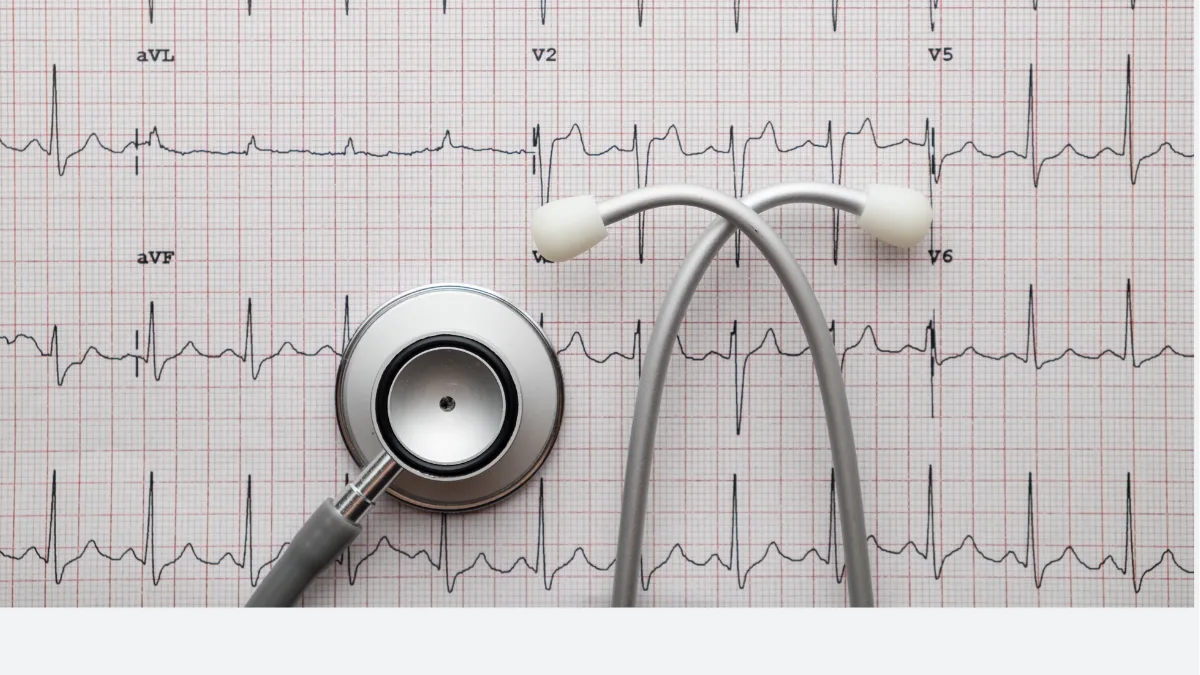
The ECG is the most widely performed cardiac test in the world, quick, painless, and remarkably informative. Here is what it measures and what the results actually mean.

Being referred for a cardiac test can feel daunting, especially when you’re not sure what to expect. The Tests section explores the most common cardiac investigations — from ECGs and echocardiograms to stress tests and coronary angiograms. Each article explains what a test involves and what the results generally mean, written by cardiologists to help readers feel more informed going into their next appointment.
Being referred for a cardiac test can feel daunting, especially when you’re not sure what to expect. The Tests section explores the most common cardiac investigations — from ECGs and echocardiograms to stress tests and coronary angiograms. Each article explains what a test involves and what the results generally mean, written by cardiologists to help readers feel more informed going into their next appointment.
The ECG is the most widely performed cardiac test in the world, quick, painless, and remarkably informative. Here is what it measures and what the results actually mean.
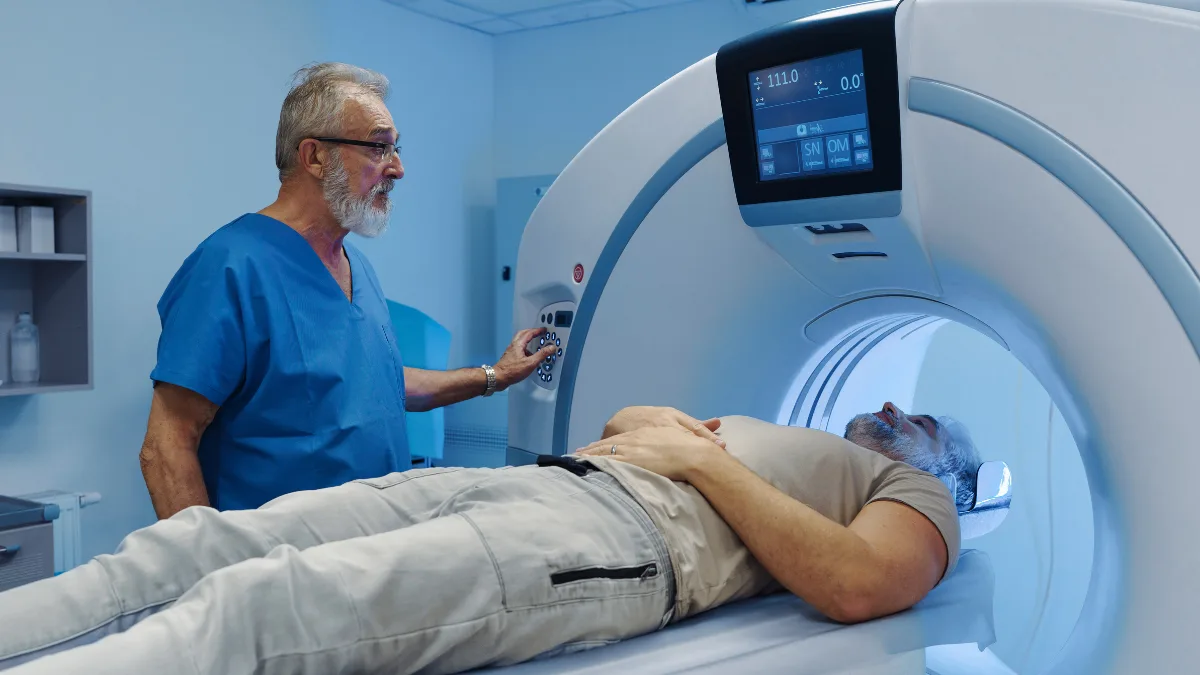
The coronary calcium score is one of the most powerful tests in preventive cardiology, and one of the most misunderstood. Here is what the scan involves and what the result means.

A standard ECG captures 10 seconds of heart rhythm. A Holter monitor records it across 24 to 48 hours of real life, catching arrhythmias that would otherwise go undetected.
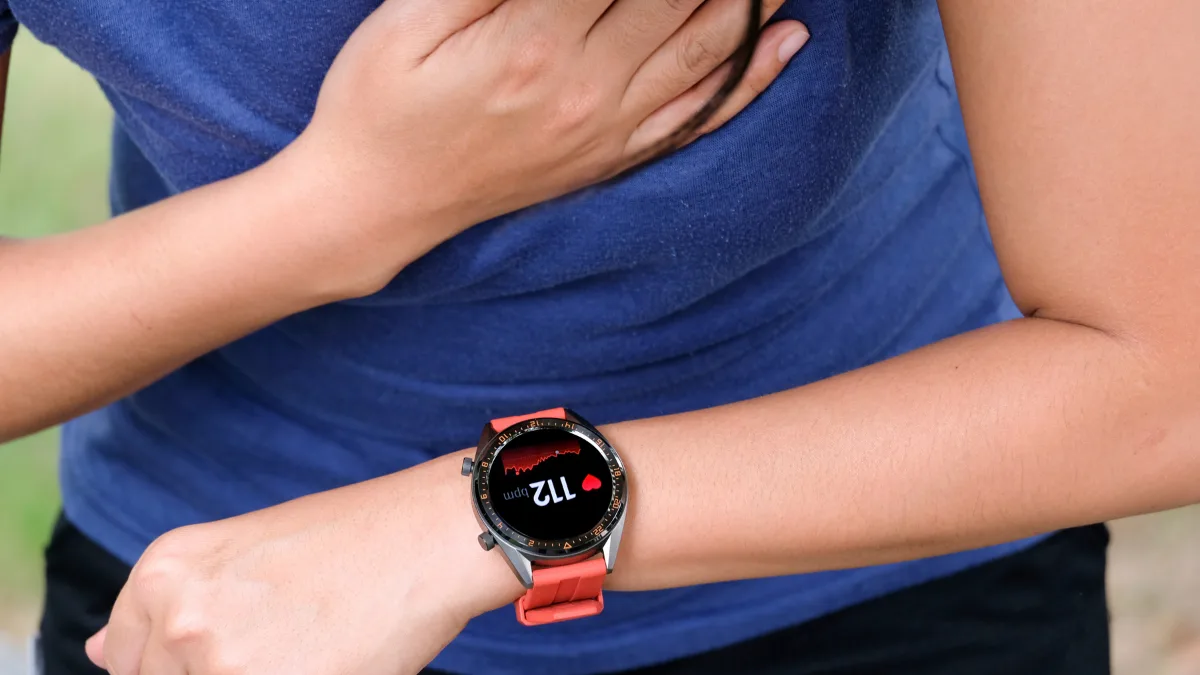
A normal ECG when you feel well does not rule out an arrhythmia. This guide explains the monitoring options available, from Holter monitors to implantable loop recorders.
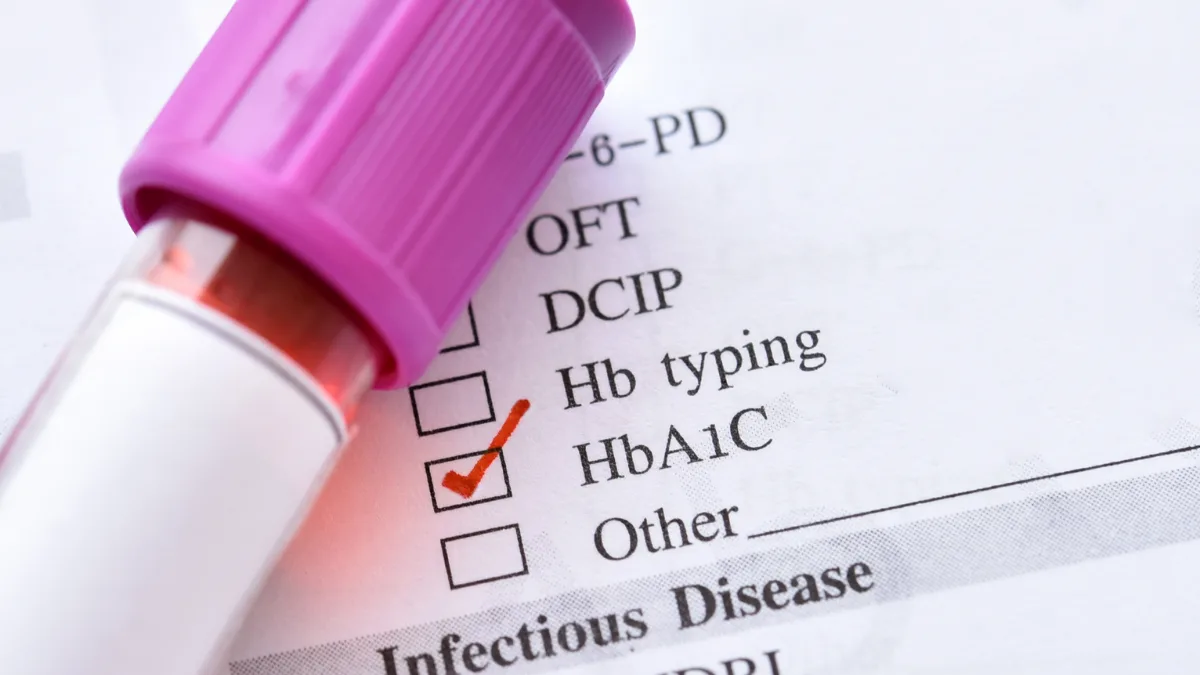
HbA1c measures your average blood glucose over three months, and for anyone managing cardiovascular risk, it is one of the most informative tests available.