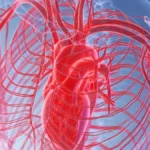
- Angina is chest discomfort caused by the heart not receiving enough blood, and therefore not enough oxygen, to meet its demands. It is a symptom, not a disease in itself.
- The most common cause is coronary artery disease, narrowed arteries that cannot deliver sufficient blood flow when the heart is working harder.
- Typical angina comes on predictably with exertion or stress and settles within a few minutes of rest or after a GTN spray. This pattern is a key diagnostic clue.
- Angina is very treatable. Most people with well-managed angina live full, active lives.
- If chest pain does not settle with rest, comes on at rest without a trigger, or feels different from usual, seek emergency help immediately. Do not drive yourself.
If you have recently been told you might have angina, or you have been experiencing chest discomfort that is worrying you, understanding what is happening is the first step to feeling more in control. Angina is something cardiologists deal with every day, and the good news is that it is well understood, effectively treated, and closely monitored.
The word angina sounds alarming. It does not need to be. This article explains what angina actually is, why it happens, how it is diagnosed, and what treatment looks like, in plain language, without the jargon.
What Is Angina?
Angina is chest pain or discomfort that occurs when the heart muscle is not receiving quite enough blood, and therefore not enough oxygen, to meet what it needs at that moment. Think of it as the heart signalling that its supply is not keeping up with demand.
It is almost always caused by coronary artery disease (CAD), a condition where the arteries that supply the heart have narrowed over time due to a build-up of fatty deposits called plaque. During exertion or emotional stress, the heart needs more blood, but those narrowed arteries cannot always deliver it fast enough. That is when the discomfort occurs.
One of the most important things to understand is this: angina is a symptom, not a disease in itself. It is a signal from the body that something needs attention, but it is not the same as a heart attack. Understanding that distinction matters enormously.
Angina is your heart’s way of raising its hand. It is a signal that deserves attention, not something to push through or dismiss.
Why Does Angina Happen?
The overwhelming majority of angina cases come down to atherosclerosis, the gradual narrowing of the coronary arteries due to plaque build-up. But several other factors can contribute or worsen symptoms:
| Cause | What happens | Worth knowing |
|---|---|---|
| Coronary artery disease | Plaque narrows the arteries, blood flow is restricted under demand | The most common cause by far, affects the vast majority of angina patients |
| Coronary artery spasm | An artery temporarily goes into spasm, restricting flow even without significant plaque | Can cause angina at rest, less common but important to recognise |
| Anaemia | Blood is not carrying enough oxygen due to low iron or red blood cell counts | Can worsen angina even in people with mild coronary disease, a simple blood test checks this |
| Heart valve problems | Conditions like aortic stenosis put extra strain on the heart and reduce effective flow | An echocardiogram will identify this |
| High blood pressure | Makes the heart work harder, increasing its oxygen demand | Well-controlled blood pressure is an important part of angina management |
One thing that often surprises patients is how significantly anaemia and low iron levels can worsen angina, even in people with well-established coronary disease. If you have angina and have not had your iron and full blood count checked recently, it is worth raising with your doctor.
What Does Angina Feel Like?
Chest pain sounds like it should be obvious, but angina can feel quite different from person to person, which is one reason it sometimes gets missed or dismissed. The classic description is a heaviness, pressure, or tightness in the centre of the chest, often described as a weight pressing down or a squeezing sensation.
But it does not always present that way. Discomfort can also radiate to the left arm, jaw, neck, shoulder, or back, and sometimes the arm or jaw discomfort is more prominent than the chest pain itself. In older patients and women, breathlessness, fatigue, or nausea may be the predominant symptom rather than chest discomfort at all.
A key diagnostic clue: typical angina settles within 2 to 5 minutes of stopping activity and resting, or within 1 to 2 minutes of taking a GTN spray. If that pattern fits your symptoms, it is important information to share with your doctor.
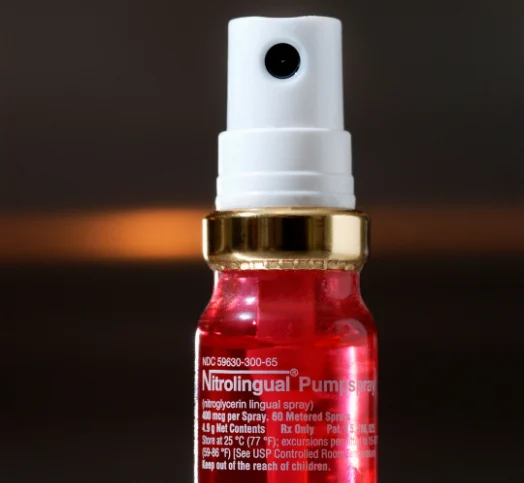
Your GTN Spray
What it does and how to use it
GTN works by dilating blood vessels, reducing the pressure the heart has to pump against, relief typically comes within 1 to 2 minutes.
At the first sign of an episode, sit down, spray once under the tongue, and wait. A second dose can be taken after 5 minutes if needed.
If symptoms have not settled after two doses and 10 minutes of rest, call emergency services immediately. Do not take further doses and drive yourself to hospital.
Keep it with you at all times, pocket, handbag, or bedside table. Store away from direct light and heat, and check the expiry date regularly.
A headache or dizziness after GTN is normal and passes quickly, it is a side effect of the blood vessel dilation. Always sit rather than stand when using it.
Typical stable angina follows a predictable pattern, it comes on with exertion or emotional stress, and settles with rest or GTN. If that description fits your symptoms, it is important information to share with your doctor.
When to seek emergency help immediately
If your chest pain does not settle with rest within 10 to 15 minutes, comes on suddenly at rest without a trigger, is more severe than anything you have experienced before, or is accompanied by sweating, nausea, or breathlessness that feels new, call emergency services immediately. Do not drive yourself.
These features may indicate a heart attack rather than angina, and time matters enormously in that situation.
Stable Angina vs Unstable Angina
Not all angina is the same. The distinction between stable and unstable angina is clinically important and changes the urgency of the response required.
| Type | Pattern | What it means |
|---|---|---|
| Stable angina | Predictable, comes on with a consistent level of exertion, settles with rest or GTN spray within minutes | Manageable with medication and lifestyle, requires investigation and monitoring but is not an emergency |
| Unstable angina | Unpredictable, occurs at rest, wakes you from sleep, is more severe than usual, or is occurring more frequently than before | Requires urgent medical assessment, this is a warning sign that the situation is changing |
| New-onset angina | Any angina that has developed recently and has not yet been assessed | Should be evaluated promptly, do not wait to see if it settles |
If your angina pattern changes, becoming more frequent, occurring with less exertion than before, or happening at rest, contact your cardiologist or GP promptly. Changes in pattern matter and your care team needs to know about them.
How Is Angina Diagnosed?
A diagnosis of angina starts with a conversation. Your doctor or cardiologist will want to hear the full story, what the discomfort feels like, what brings it on, how long it lasts, and what makes it better. That history alone is extraordinarily valuable. From there, investigations help confirm what is happening and how significant it is.
| Investigation | What it involves | What it shows |
|---|---|---|
| ECG | Electrodes on the skin record the heart’s electrical activity, takes minutes, painless | Signs of previous heart damage, rhythm abnormalities, or changes suggesting ischaemia |
| Exercise stress test | Walking on a treadmill while the ECG is monitored continuously | Changes during exertion that suggest reduced blood flow to the heart |
| Stress echocardiogram | Ultrasound images before and after exercise or a medication that mimics exercise | Areas of the heart that stop contracting normally when blood flow is restricted |
| CT coronary angiogram | Non-invasive scan producing detailed images of the coronary arteries | Excellent for ruling out significant blockages without a procedure |
| Nuclear stress test (MPI) | Radioactive tracer maps blood flow to different parts of the heart at rest and under stress | Particularly useful when other tests are inconclusive |
| Invasive coronary angiogram | Catheter guided to the heart via a blood vessel, dye injected to visualise the arteries directly | The gold standard, also allows angioplasty and stenting to be performed at the same time if needed |
| Blood tests | Cholesterol, blood sugar, full blood count, iron, kidney function, thyroid | Identifies contributing factors and guides treatment decisions |
Not everyone needs all of these tests. Your cardiologist will choose the right investigations based on your symptoms, risk factors, and what earlier tests show. The goal is always the clearest picture with the least invasive approach possible.
You can read more about many of these investigations in our Diagnostic Tests section, including detailed guides on the stress echocardiogram and CT coronary angiogram.
How Is Angina Treated?
The good news is that angina is very treatable. Treatment works across three areas, lifestyle, medications, and in some cases procedures to restore blood flow. Most patients do very well with the right combination.
Lifestyle, the foundation of everything
Lifestyle changes make a genuine difference, not as a replacement for medication, but alongside it. Regular physical activity (guided by your cardiologist on safe levels), a heart-healthy diet, not smoking, maintaining a healthy weight, and managing stress all reduce the burden on the heart and can meaningfully improve symptoms.
Medications
Several medication categories are used to manage angina, often in combination. The right regimen depends on your individual circumstances, other health conditions, and how you respond.
| Medication | How it helps | Examples |
|---|---|---|
| Beta-blockers | Slow heart rate and reduce the heart’s oxygen demand, highly effective at preventing episodes | Metoprolol, bisoprolol, atenolol |
| Calcium channel blockers | Relax and widen the coronary arteries, improving blood flow and reducing workload | Amlodipine, diltiazem, verapamil |
| Nitrates | Dilate blood vessels rapidly, the GTN spray provides relief within minutes during an episode | GTN spray, isosorbide mononitrate patches |
| Antiplatelet agents | Reduce clot formation on narrowed arteries, important for reducing heart attack risk | Aspirin, clopidogrel |
| Statins and lipid therapies | Stabilise plaque in artery walls and reduce the risk of a plaque rupture causing a heart attack | Rosuvastatin, atorvastatin, ezetimibe |
| Second-line anti-anginals | Used when first-line therapies are insufficient or not tolerated | Ranolazine, ivabradine, nicorandil |
Never stop or adjust heart medications without discussing it with your healthcare team first. Medications affect everyone differently and your regimen should be personalised to your specific situation.
Procedures, when medications are not enough
If symptoms remain difficult to control, or investigations show severe blockages, a procedure to restore blood flow may be recommended.
Coronary angioplasty and stenting a thin wire and balloon are used to open the narrowed artery, and a small metal scaffold (stent) is placed to keep it open. This is performed during a coronary angiogram and is minimally invasive, most patients go home within a day or two. You can read more in our dedicated Coronary Artery Disease guide.
Coronary artery bypass surgery (CABG) a surgical procedure where new routes for blood flow are created around blocked arteries using vessels taken from elsewhere in the body. Reserved for more complex or extensive disease, and an excellent long-term solution for the right patients.
Most people with angina live full, active lives. The right combination of medications, lifestyle changes and, where needed, a procedure to open the artery can make an enormous difference to how you feel day to day.
Living Well With Angina
A diagnosis of angina, or even the suspicion of it, can feel daunting. But it is worth remembering: angina is something cardiologists understand well, treat effectively, and monitor closely.
The most important things you can do are take your medications consistently, attend your follow-up appointments, and be honest with your care team about your symptoms. If anything changes, more frequent episodes, symptoms occurring with less exertion than before, or discomfort at rest, let your doctor know promptly.
Regular exercise, within limits your cardiologist sets, is not only safe for most people with angina, it is actively beneficial. Cardiac rehabilitation programmes, where available, are excellent for building confidence and fitness safely after a diagnosis.
Heart Matters Resource
When in Doubt, Get Checked Out
If you are experiencing chest discomfort and are unsure whether it needs assessment, the answer is almost always yes. A conversation with your GP is the right starting point. Angina caught early is angina managed well.
Conclusion
Angina is a signal from the heart, one that deserves attention, investigation, and a proper management plan. The fact that it is common does not make it unimportant. But it also does not have to be frightening. With the right care, the vast majority of people with angina do extremely well.
If your symptoms are changing, becoming more frequent, occurring at rest, or simply feeling different from before, please contact your doctor or cardiologist promptly. Those changes matter and your care team needs to know about them.
If there are other heart topics you would like explained, browse the rest of Heart Matters, that is exactly what we are here for.