- The kitchen tools you use shape the food you produce. A small number of inexpensive gadgets make heart-healthy cooking consistently easier, faster, and more precise.
- A kitchen scale is the single most impactful nutritional tool available. It removes the guesswork from portion sizes and makes the difference between thinking you are eating well and knowing you are.
- An oil spray bottle gives precise control over fat intake, one of the most meaningful variables in everyday cardiovascular nutrition.
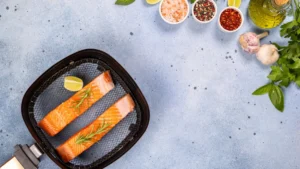
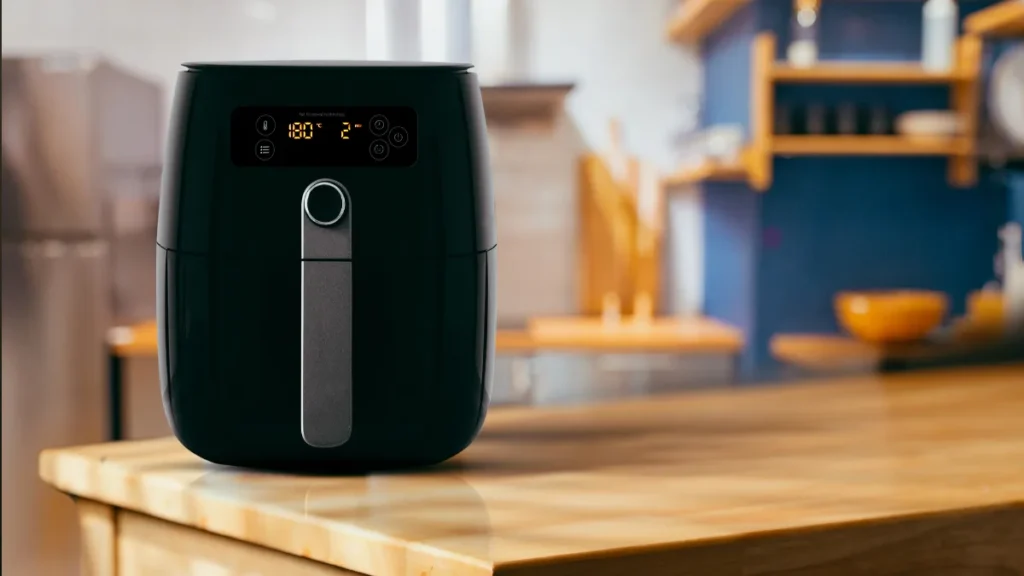
- An air fryer produces the texture of fried food with a fraction of the oil, making a genuinely enjoyable cooking method compatible with a heart-healthy diet.
- A food processor and a quality non-stick pan complete the toolkit, reducing the friction between good nutritional intentions and what actually ends up on the plate.
Good nutrition does not require extraordinary willpower or complicated meal plans. It requires removing the friction between good intentions and good execution, and the right kitchen tools do exactly that.
None of the five items below are expensive. None require culinary skill to use. But each one makes a specific and meaningful difference to the ease, consistency, and nutritional quality of everyday cooking. These are the tools that earn their place on the bench, not through novelty but through regular, practical use.
1. Kitchen Scales
The kitchen scale is the most impactful nutritional tool available for the least investment. It costs very little, takes up almost no space, and removes the single biggest source of nutritional inaccuracy in home cooking: portion estimation.
Most people significantly underestimate portion sizes when using visual judgment alone. A handful of almonds varies by a factor of three depending on hand size and generosity. A drizzle of olive oil can be anywhere from 5ml to 40ml. A portion of pasta is almost always double what a nutritional target would suggest. None of this matters if you are eating well and maintaining a healthy weight effortlessly. But for most people trying to manage their nutrition with any precision, visual estimation is not reliable enough.
Weighing food does not need to be obsessive or permanent. A few weeks of accurate weighing builds the visual calibration that makes estimation more accurate going forward. For ingredients where precision genuinely matters, like olive oil, the scale is the most honest tool available.
We have a dedicated article on kitchen scales and portion awareness on Heart Matters that explores this in more detail.
2. Oil Spray Bottle
Of all the tools on this list, the oil spray bottle may be the one with the most direct cardiovascular impact per dollar spent. It is a refillable spray bottle filled with your oil of choice (extra virgin olive oil is the obvious recommendation) that delivers a fine, even mist rather than a pour.
The difference between a spray and a pour is significant. A two-second spray delivers approximately 1 to 2ml of oil, around 9 to 18 calories. A casual pour from a bottle delivers anywhere from 15 to 40ml without most people registering the difference. Over a week of daily cooking, that gap accumulates into a meaningful calorie and fat differential.
The spray bottle also coats pans more evenly than a pour, which means food is less likely to stick, reducing the instinct to add more oil mid-cooking. For roasting vegetables, a light spray produces excellent results with minimal fat. For the high-protein breakfast frittata, it gives precise control over the fat used in cooking while preserving all the benefits of olive oil.
Fill it with extra virgin olive oil, consistent with the Mediterranean dietary pattern, and use it as the default cooking fat across every meal.
3. Air Fryer
The air fryer deserves its place on this list not as a novelty appliance but as a genuinely useful cardiovascular cooking tool. It circulates hot air at high speed around food, producing a crisp exterior texture that is indistinguishable from shallow or deep frying, with a fraction of the oil.
The cardiovascular relevance is straightforward. Deep frying adds significant quantities of oil to food that may have started as nutritionally excellent, and depending on the oil used, significant quantities of saturated or trans fat with it. An air fryer produces the same texture without the oil load, making a cooking method that many people find genuinely enjoyable compatible with a heart-healthy diet.
Chicken breast, fish, vegetables, sweet potato: all produce excellent results in an air fryer with a light oil spray and appropriate seasoning. Cooking times are typically shorter than oven roasting, and the cleanup is straightforward. Our air fryer salmon with pumpkin chips and broccoli is a complete demonstration of what this appliance can do for a heart-healthy plate. For anyone who has avoided fried textures as part of managing their diet, the air fryer is the tool that removes that sacrifice.
4. Food Processor
The food processor is the tool that makes hidden nutrition practical. Blitzing broccoli into fine crumbs that disappear into a frittata, processing cauliflower into rice, blending vegetables into sauces: these techniques dramatically expand the vegetable content of everyday meals without requiring any change to eating preferences.
The blitzed broccoli technique from our high-protein breakfast frittata is the clearest demonstration. In 10 seconds, a food processor turns a broccoli floret into fine green crumbs that integrate seamlessly into egg dishes, pasta sauces, meat patties, and soups. The sulforaphane, vitamin C, folate, and fibre are all present. The broccoli is not detectable.
A food processor also makes batch preparation faster: grating large quantities of vegetables, processing cooked chicken for salads, or blending dressings and marinades in seconds. For anyone who finds vegetable preparation tedious, it is the tool that removes that specific friction from the cooking process.
5. A Quality Non-Stick Pan
The quality of a non-stick pan directly affects how much oil is needed in everyday cooking. A worn, damaged non-stick surface requires significantly more fat to prevent food from sticking, creating a gradual, unnoticed increase in fat intake that accumulates over weeks and months.
A good non-stick pan, replaced when the surface begins to degrade, allows eggs, fish, and vegetables to cook with minimal oil and release cleanly. Combined with an oil spray bottle, it is the equipment combination that makes genuinely low-fat cooking practical without sacrificing the cooking experience.
Ceramic non-stick pans have become a popular alternative to traditional coated pans. They perform well at moderate temperatures and are a clean, practical option for everyday use. Either style, properly maintained and replaced when worn, does the job. A quality non-stick pan in the $30 to $80 range is all that is needed.
The kitchen tools you invest in shape the food you produce far more than most people realise. A scale, a spray bottle, and a good pan change every meal for years.
The Complete Toolkit at a Glance
| Tool | Primary cardiovascular benefit | Approximate cost |
|---|---|---|
| Kitchen scale | Accurate portion sizes that remove nutritional guesswork entirely | $15–$40 |
| Oil spray bottle | Precise fat control, the most impactful fat management tool available | $10–$25 |
| Air fryer | Crisp texture with minimal oil, making enjoyable cooking compatible with heart health | $80–$200 |
| Food processor | Hidden vegetable nutrition, making high-fibre batch preparation practical | $50–$150 |
| Quality non-stick pan | Minimal oil cooking, the foundation of everyday low-fat meal preparation | $30–$80 |
Where to Start
- Buy the kitchen scale first. It costs the least and has the most immediate impact on nutritional accuracy.
- Add the oil spray bottle next. Fill it with extra virgin olive oil and use it for every meal that requires cooking fat.
- Replace your non-stick pan if the surface is worn. This is the change that makes the scale and spray bottle work together most effectively.
- Add the food processor when you are ready to expand your vegetable repertoire and make batch preparation practical.
- Consider the air fryer if fried textures are a regular part of your diet that you have been trying to reduce. It removes the compromise entirely.
Heart Matters Resource
Download our Heart Health Risk Factor Checklist, a practical tool covering 12 cardiovascular risk categories to bring to your next appointment.
Download the Resource →Conclusion
Good cardiovascular nutrition does not require an expensive kitchen, complicated equipment, or culinary training. It requires removing the friction between good intentions and consistent execution, and these five tools do exactly that, reliably, every day.
A kitchen scale, an oil spray bottle, an air fryer, a food processor, and a quality non-stick pan represent a total investment of well under $500, and they change the nutritional quality of every meal cooked at home for years. Start with the scale and the spray bottle, add the others as they become relevant to how you cook, and the cumulative effect on your daily nutrition will be significant.