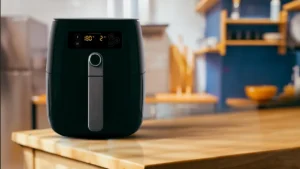
- An air fryer is a small, very fast convection oven, and it earns its place in a heart-healthy kitchen mainly through what it makes easy rather than what it removes.
- Vegetables are what it does best. Roasting them takes around 12 minutes and needs barely any oil, which turns a side dish into something people actually look forward to.
- A teaspoon of olive oil brushed on goes further than a long spray, and extra virgin olive oil handles the temperatures most air fryers run at.
- Oily fish cooks in under 10 minutes with no pan and no added fat, which makes the twice-weekly fish habit considerably less effortful.
- Herbs, spices, citrus, and vinegar carry most of the flavour that salt usually carries, and the seasoning step is where a meal’s sodium content is decided.
The air fryer arrived in most kitchens as a chip machine. That is a shame, because chips are close to the least interesting thing it does.
What it is really good at is dry, fast, high heat in a small space, which happens to be exactly what vegetables, legumes, and fish respond well to. Used that way, it quietly removes several of the reasons people give for not cooking the food they already know they should be eating. Here are five things worth knowing.
One: Vegetables Are What It Does Best
Roasted vegetables are one of the great sells of Mediterranean-style eating, and the usual barrier is the oven. Preheating a large oven for 40 minutes to roast a tray of broccoli is a poor trade, and most people steam them instead and find the result forgettable.
An air fryer needs no meaningful preheat and works in about 12 minutes. Broccoli, cauliflower, carrots, capsicum, Brussels sprouts, and pumpkin all crisp at the edges and sweeten in the middle, which is a different food from the boiled version. Chickpeas from a tin, drained and dried, come out crunchy in around 15 minutes and make a snack with real fibre in it, which is one of the more underrated dietary influences on cholesterol.
This matters more than it sounds. The gap between knowing vegetables are good and eating them is usually about effort, not knowledge.
Two: A Refillable Mister Is the Best Thing in the Drawer
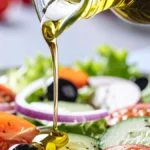
Most air fryer recipes call for a light spray, and most people reach for an aerosol can to provide it. A refillable pump mister filled with olive oil does the same job better, and it is probably the single most useful item to sit next to an air fryer.
Aerosol cooking sprays contain propellants, anti-foaming agents, and emulsifiers alongside the oil, and over time they tend to leave a gummy residue that dulls the non-stick coating on the basket. A pump mister holds nothing but oil. It delivers a genuinely fine mist, so a vegetable tray is coated with a fraction of a teaspoon rather than the tablespoon a bottle would pour, and the bottle is refilled from whatever oil is already in the kitchen.
Extra virgin olive oil is the sound choice to fill it with. Most air fryers run between 160 and 200°C, which sits within the range extra virgin olive oil tolerates comfortably, and the flavour it carries means less seasoning is needed later. Misting the food rather than the basket is the detail that matters, since oil sprayed onto bare metal burns onto the surface rather than doing anything useful.
The most useful thing in my kitchen for the air fryer is a refill spray bottle of olive oil. It costs almost nothing and it changes how much oil you actually use.
Prof. Peter Barlis, Interventional Cardiologist
Three: Oily Fish, Under 10 Minutes, No Pan
The advice to eat fish twice a week is among the most widely agreed-upon pieces of dietary guidance in cardiology, and among the least followed. The reasons people give are consistent: the smell, the pan, the washing up, and the fear of overcooking it.
An air fryer removes three of those four. A salmon fillet takes roughly eight to nine minutes at 190°C, needs no added fat because the fish provides its own, and the enclosed basket contains most of the aroma. Our air fryer salmon with pumpkin chips and broccoli cooks the whole plate in one basket, and the reasons salmon earns its reputation have nothing to do with the appliance and everything to do with what is in the fish.
Sardines, mackerel, and trout behave similarly, and are generally cheaper.
Four: Seasoning Is Where the Sodium Is Decided
The cooking method has no effect at all on how much salt ends up in a meal. That is decided in the 10 seconds before the basket closes, and it is the single most useful habit to think about in an air fryer kitchen.
Dry heat concentrates flavour, which means the food needs less help than it would if boiled. Smoked paprika, cumin, garlic powder, dried oregano, chilli flakes, and black pepper all bloom in the hot air. A squeeze of lemon or a splash of red wine vinegar after cooking does much of what salt does to brighten a dish, without the sodium. Since dietary sodium is one of the more consistent influences on blood pressure, this is worth more attention than most air fryer content gives it, and it sits alongside the other practical influences on blood pressure.
The other half of the sodium question is what goes in the basket in the first place. Frozen crumbed products carry their salt with them regardless of how they are cooked.
Five: Gold, Not Brown
Acrylamide is a compound that forms when starchy foods such as potato and bread brown at high temperature. It comes from heat rather than oil, so an air fryer has no automatic advantage over any other high-heat method, and the published comparisons between cooking methods do not agree with each other.
What does show up consistently is that darker browning means more acrylamide. Cooking potato to a light gold rather than a deep brown is the practical version of that finding. Soaking cut potato in cold water for half an hour before cooking, then drying it, also lowers acrylamide levels, and has the useful side effect of producing a crisper result.
None of this applies to vegetables, fish, or meat, which do not form acrylamide in any meaningful quantity. It is a starch and high heat phenomenon.
Vegetables and legumes
Broccoli, cauliflower, carrots, capsicum, pumpkin, and tinned chickpeas. Roughly 12 to 15 minutes at 190°C, a teaspoon of olive oil, single layer in the basket.
Oily fish
Salmon, trout, mackerel, and sardines. Eight to nine minutes at 190°C, no added oil needed, skin side down. The enclosed basket keeps most of the aroma in.
Flavour without salt
Smoked paprika, cumin, oregano, garlic, chilli, and pepper before cooking. Lemon juice or vinegar after. Dry heat concentrates flavour, so less seasoning is needed overall.
The One Thing It Does Not Do
An air fryer changes how food is cooked. It has no effect on what goes into it. Frozen crumbed chicken pieces come out of the basket with the same salt, refined starch, and additives they had in the packet, and a lower-fat cooking method is not a reason for a larger serving.
The appliance is a good servant of a Mediterranean pattern of eating and a poor substitute for one. Fill the basket with vegetables, fish, and legumes and it is genuinely useful. Fill it with the frozen aisle and it is a faster version of the same meal.
Conclusion
The reason an air fryer is worth having is not that it removes fat, though it does that when it replaces deep frying. It is that it shortens the distance between a raw vegetable and a dinner someone wants to eat, and most of the difficulty in eating well sits in that distance.
A basket of roasted vegetables, a fillet of oily fish, a teaspoon of olive oil, and a decent spice rack will cover most weeknights. The machine is incidental. What goes in it is not.
Related Reading
- Air Fryer Salmon with Pumpkin Chips and Broccoli
- The Mediterranean Diet and Your Heart
- Good Fats, Bad Fats, and Why the Story Is More Complicated Than You Think
- Heart Healthy Roasted Pumpkin Soup
- Heart-Healthy Greek Tzatziki
- How to Read a Food Label: A Heart-Healthy Guide
- Understanding Your Cardiovascular Risk Factors