The Mediterranean Diet and Your Heart
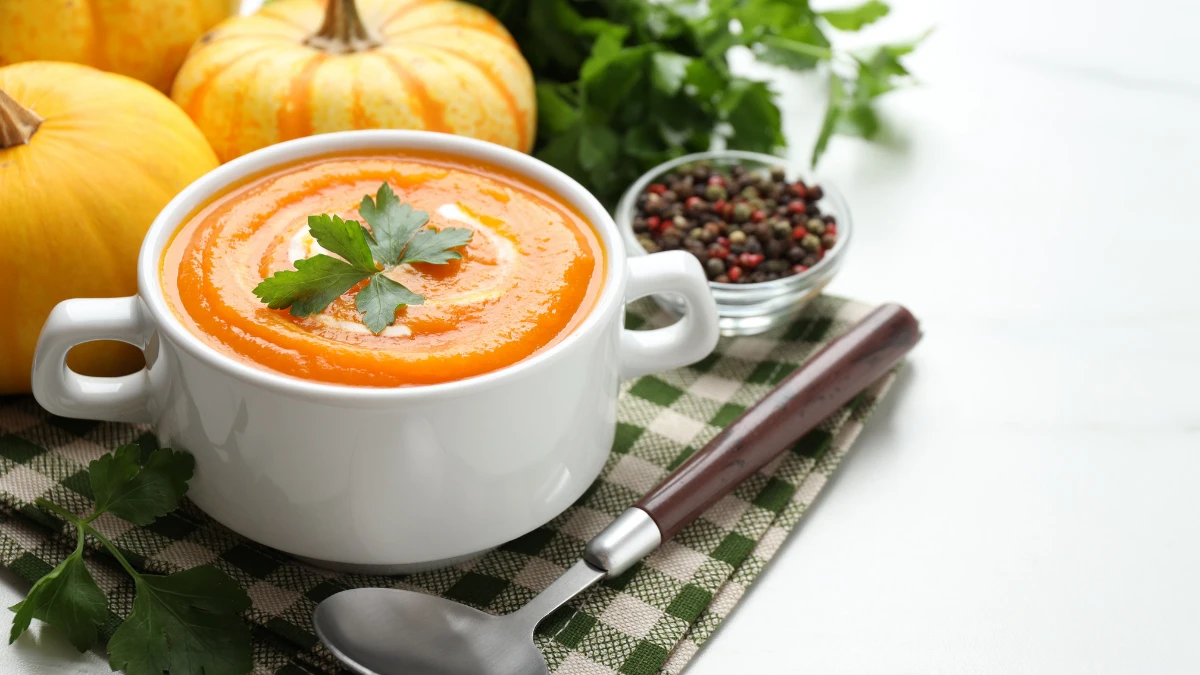
The Mediterranean diet has more robust evidence behind it than almost any other dietary pattern. Here is what the research shows and how to make it work in practice.
Cinnamon has been used medicinally for centuries and modern research is beginning to catch up. Here is what the evidence shows — and why the type of cinnamon matters.
A major 2024 study found microplastics inside arterial plaques — and linked their presence to higher rates of heart attack and stroke. Here is what the findings mean.
Angina is chest pain caused by reduced blood flow to the heart — a signal that deserves attention. Here is what it feels like, what causes it, and how it is treated.
A simple, make-ahead breakfast that does more for your heart than it looks — oats, apple, walnuts, and yogurt combined the night before for a creamy, satisfying start to the day.
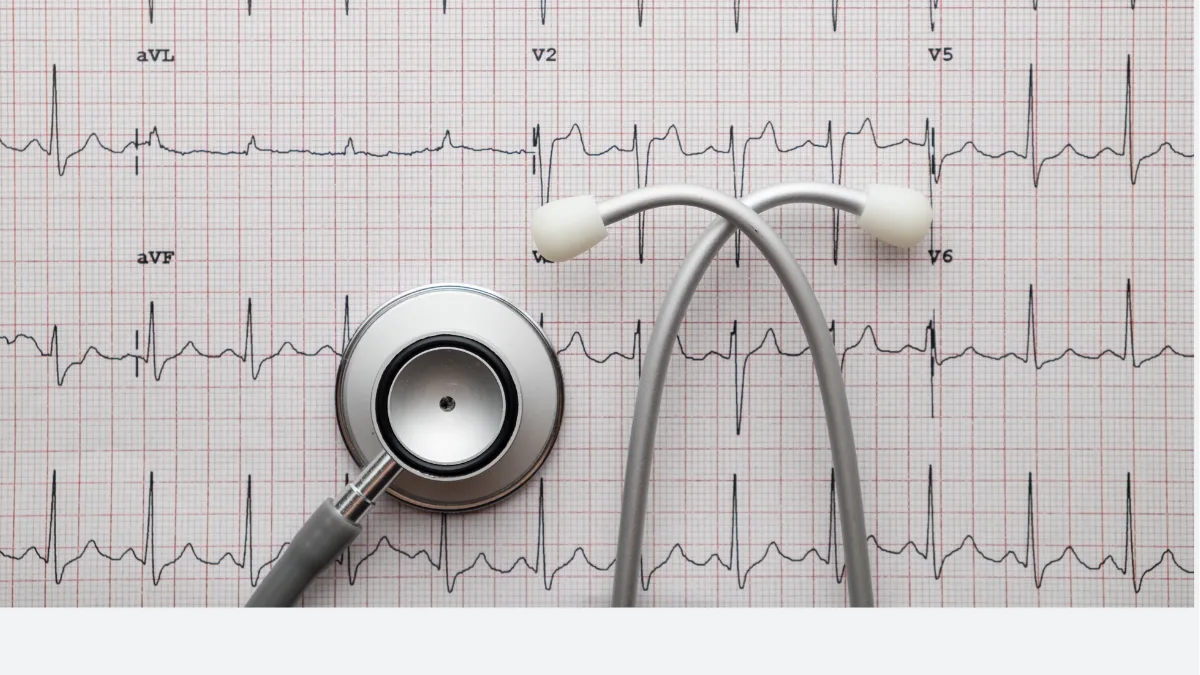
A standard ECG captures 10 seconds of heart rhythm. A Holter monitor records it across 24 to 48 hours of real life — catching arrhythmias that would otherwise go undetected.
A normal ECG when you feel well does not rule out an arrhythmia. This guide explains the monitoring options available — from Holter monitors to implantable loop recorders.
Troponin is the blood test at the heart of chest pain assessment. If you have been to emergency with chest pain, here is what it measures and what the result means.
HbA1c measures your average blood glucose over three months — and for anyone managing cardiovascular risk, it is one of the most informative tests available.