Recovering After a Heart Attack

Coming home after a heart attack raises questions that don’t always get answered in hospital. This article covers what to expect and how to move forward with confidence.

A heart diagnosis can feel overwhelming — but understanding what you have is the first step to feeling more in control. The Conditions section covers the most common heart and cardiovascular conditions in plain language, written by specialist cardiologists. From atrial fibrillation to heart failure, each guide explains what the condition means, how it’s treated, and what life looks like going forward.
A heart diagnosis can feel overwhelming — but understanding what you have is the first step to feeling more in control. The Conditions section covers the most common heart and cardiovascular conditions in plain language, written by specialist cardiologists. From atrial fibrillation to heart failure, each guide explains what the condition means, how it’s treated, and what life looks like going forward.
Coming home after a heart attack raises questions that don’t always get answered in hospital. This article covers what to expect and how to move forward with confidence.
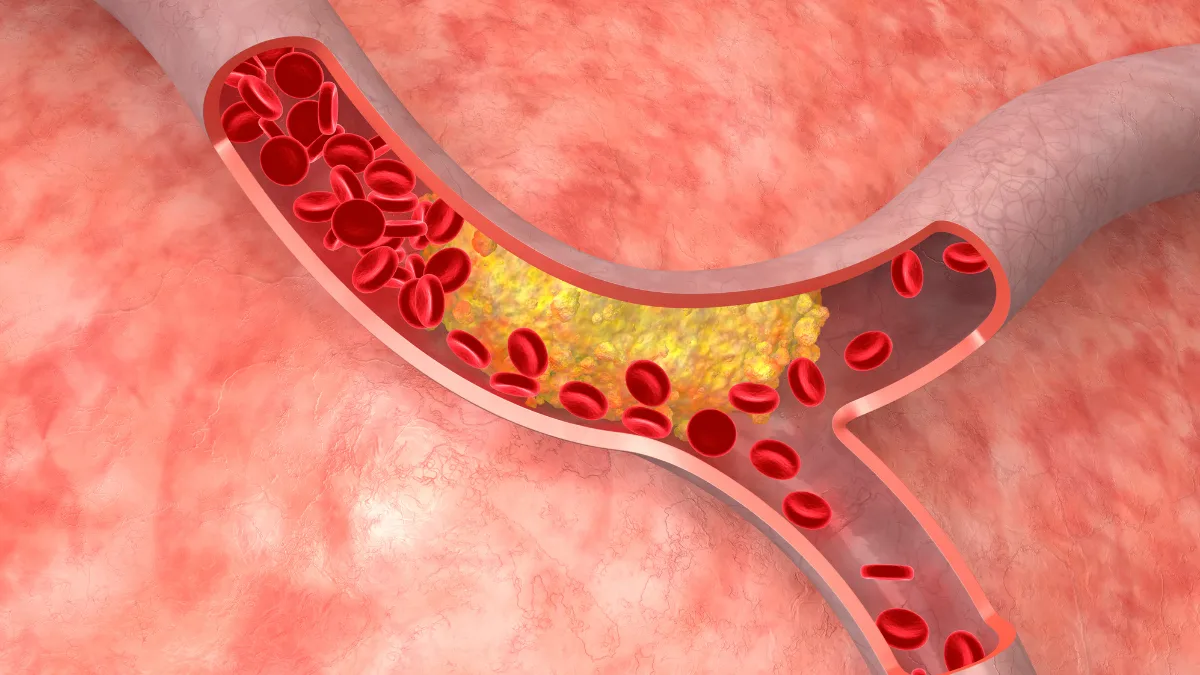
Atherosclerosis is the underlying process behind most heart attacks and strokes. Here is what drives it, and what you can do to slow it down.

Modern treatment has transformed heart failure with reduced ejection fraction into one of the most treatable conditions in cardiology. Here is what modern treatment can achieve, and why quadruple therapy is now the standard of care.
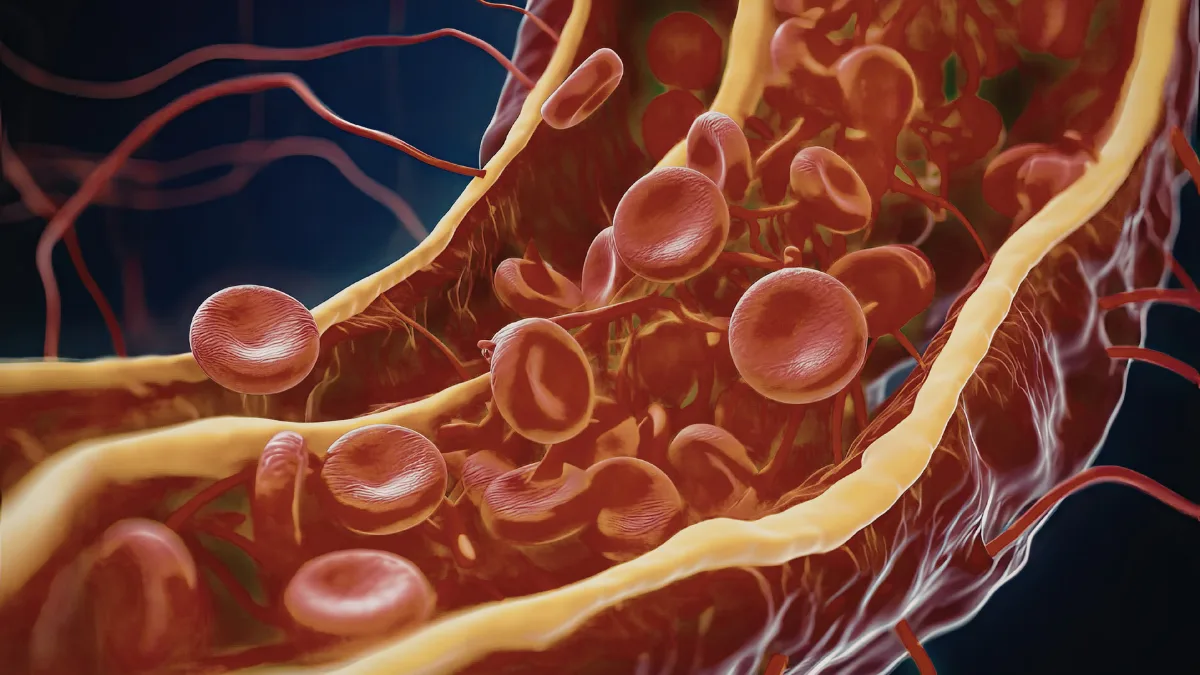
Blood clots are one of the body’s essential protective mechanisms, but when they form in the wrong place, the consequences can be serious. Here is what you need to know about blood clots and how they are treated.

Cardiothoracic surgeon Prof Jai Raman explains what coronary artery bypass grafting (CABG) involves, who needs it, how it compares to stenting, and what to expect from surgery and recovery.

A high calcium score can feel like devastating news, but a number without context is rarely good medicine. Here is what your result actually means and what happens next.

Angina is chest pain caused by reduced blood flow to the heart, a signal that deserves attention. Here is what it feels like, what causes it, and how it is treated.
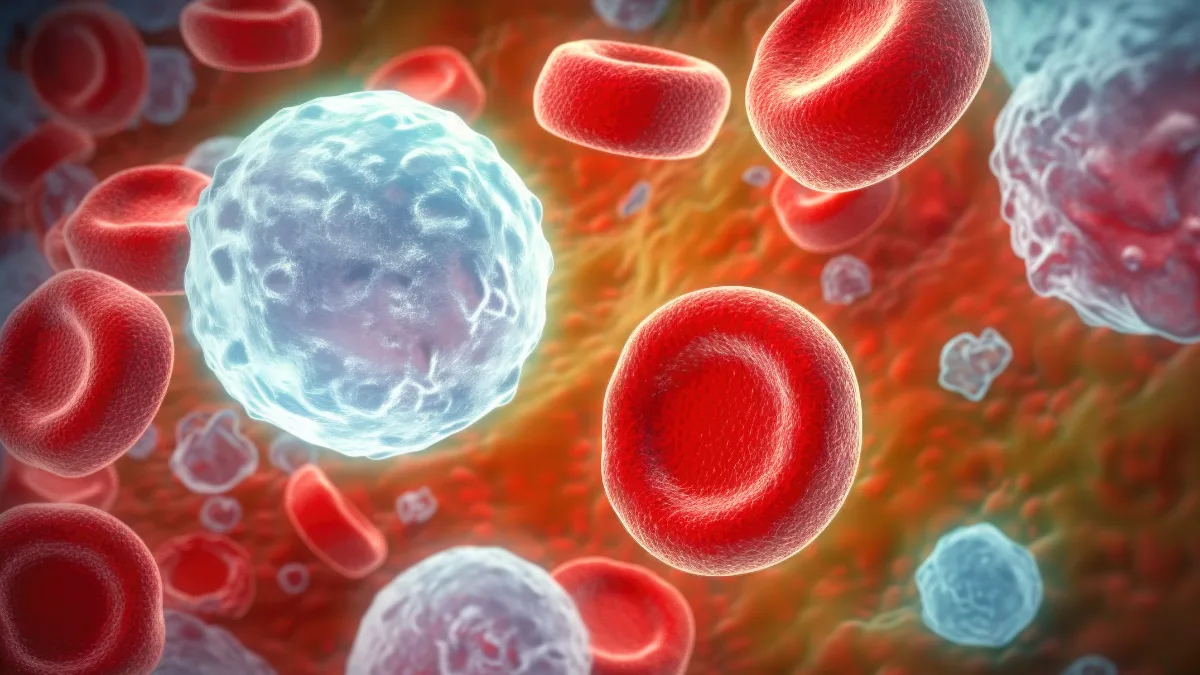
Inflammation quietly drives heart disease over decades, and it is more modifiable than most people realise. Here is what the evidence shows and what you can do about it.

Mitral valve prolapse is one of the most common valve findings in cardiology, and one of the most reassuring. Here is what the diagnosis actually means and what monitoring is needed.