- A heart attack is a circulation problem, a blocked coronary artery cuts off oxygen to part of the heart muscle.
- Cardiac arrest is an electrical problem, the heart stops pumping effectively, causing immediate loss of consciousness.
- During a heart attack, the person is usually still conscious and breathing; cardiac arrest requires immediate CPR and defibrillation.
- A heart attack can trigger cardiac arrest, but cardiac arrest can also occur without a prior heart attack.
- Recognising which condition is occurring helps bystanders and emergency responders act quickly and correctly.
Many people use the terms “heart attack” and “cardiac arrest” interchangeably. I often hear patients say someone “had a heart attack” when they actually mean the heart suddenly stopped. While both conditions involve the heart, they are very different medical events, and understanding the difference can genuinely save a life.
In simple terms, a heart attack is a problem with blood flow to the heart muscle, while a cardiac arrest is a problem with the heart’s electrical system that causes it to stop beating effectively.
What Is a Heart Attack?
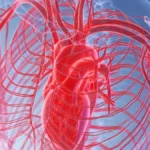
A heart attack occurs when blood flow through one of the coronary arteries becomes blocked. These arteries supply oxygen-rich blood to the heart muscle. When blood flow is reduced or completely cut off, the heart muscle does not receive the oxygen it needs.
Most heart attacks happen when a fatty deposit called plaque builds up inside a coronary artery over many years. If that plaque ruptures, a blood clot can form and suddenly obstruct the artery, and when this occurs, part of the heart muscle begins to die.
The medical term for a heart attack is myocardial infarction. The concept, however, is straightforward: the heart muscle is not receiving enough blood.
Common Symptoms of a Heart Attack
Symptoms can vary from person to person, but the most common warning sign is a pressure, tightness, or squeezing sensation in the chest, often described as a heavy weight sitting on the chest. The discomfort may spread to the arm, neck, jaw, back, or upper abdomen.
Other symptoms include shortness of breath, nausea, sweating, lightheadedness, or unusual fatigue. In some people, particularly women and those with diabetes, symptoms can be less typical, presenting as vague discomfort, breathlessness, or fatigue rather than classic chest pain. Our dedicated article on Women’s Heart Health covers these atypical presentations in more detail.
Importantly, during a heart attack the person is usually still conscious and breathing, even though they may feel very unwell.
What Is Cardiac Arrest?
Cardiac arrest is a different and immediately life-threatening emergency. In cardiac arrest, the heart suddenly stops pumping blood effectively, not because of a blocked artery, but because of a problem with the heart’s electrical system.
The heart normally beats in a coordinated rhythm controlled by electrical signals. In cardiac arrest, these signals become chaotic or stop altogether. The heart may quiver uselessly instead of pumping, a rhythm called ventricular fibrillation, or it may cease to beat entirely.
When this occurs, blood flow to the brain and the rest of the body stops almost immediately. Without rapid treatment, a person in cardiac arrest will lose consciousness within seconds.
A heart attack is a circulation problem. Cardiac arrest is an electrical problem. Both are emergencies, but they demand a different response.
What Happens During Cardiac Arrest?
Because the heart is no longer pumping, the brain quickly becomes starved of oxygen. The person collapses and becomes unresponsive. Breathing may be absent or gasping and irregular.
Cardiac arrest requires immediate action. The goal of CPR, cardiopulmonary resuscitation, is to manually keep blood circulating to vital organs, particularly the brain, until the heart’s normal rhythm can be restored. Without this, brain injury can begin within just four to six minutes.
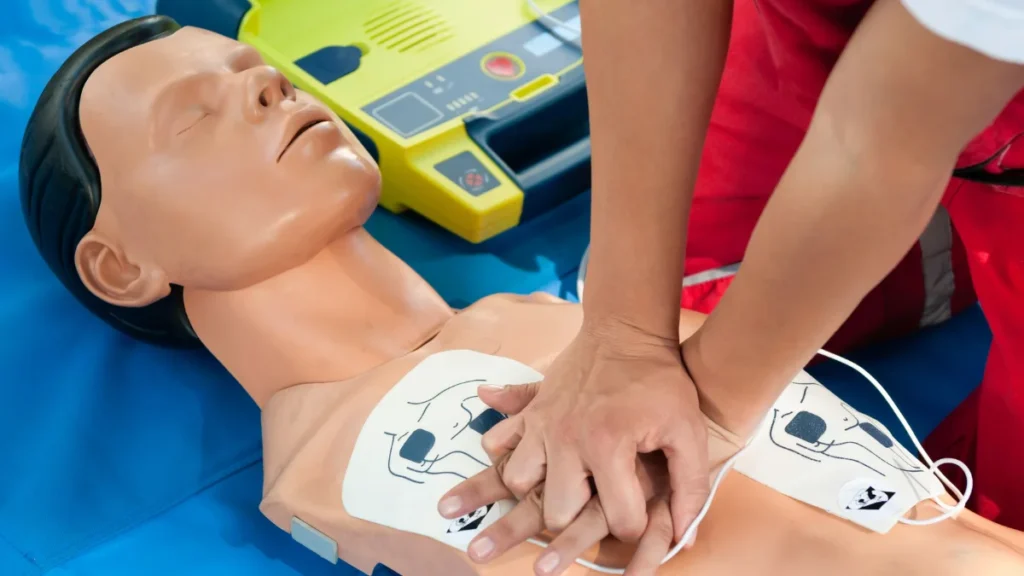
An automated external defibrillator, or AED, can deliver an electrical shock that may reset the heart’s rhythm and allow it to start beating normally again. AEDs are designed for use by anyone, they give clear spoken instructions and guide you through every step. Every minute without CPR and defibrillation reduces the chance of survival, which is why bystander action before paramedics arrive is so critical.
How to Respond: DRABC
If someone collapses and is unresponsive, follow these steps. The goal is to keep blood circulating to the brain and vital organs until emergency help arrives. You do not need formal training, acting quickly is what matters most.
- Danger before approaching, check that the scene is safe for you and the person. Do not put yourself at risk.
- Response tap their shoulders firmly and call out loudly. If there is no response, shout for help and ask someone nearby to call emergency services immediately, 000 in Australia, 911 in the US and Canada, 999 in the UK, 112 in Europe.
- Airway gently tilt the head back and lift the chin to open the airway. This helps ensure any attempt at breathing is not obstructed.
- Breathing look, listen and feel for normal breathing for no more than 10 seconds. Occasional gasping is not normal breathing. If they are not breathing normally, begin CPR immediately.
- Compressions (CPR) place the heel of your hand on the centre of the chest, interlock your fingers, and push hard and fast. Compress the chest at least 5cm deep at a rate of 100–120 per minute. The beat of Stayin’ Alive by the Bee Gees is the right rhythm. CPR keeps blood flowing to the brain and vital organs, do not stop.
💡 If an AED is nearby, use it. Send someone to find one immediately while CPR continues. Once it arrives, switch it on, it will give you clear spoken step-by-step instructions and tell you exactly when to deliver a shock. AEDs are safe, simple, and designed for bystander use. Mouth-to-mouth is not required, hands-only CPR is just as effective for untrained bystanders in the first critical minutes.
Can a Heart Attack Cause Cardiac Arrest?
Yes, in some situations a heart attack can lead to cardiac arrest. If a large area of heart muscle is affected, the electrical system can become unstable, triggering dangerous rhythms that cause the heart to stop pumping effectively.
However, most heart attacks do not immediately cause cardiac arrest. Many people experiencing a heart attack remain conscious and are able to call for help or be transported to hospital.
Cardiac arrest can also occur in people who have not had a heart attack. It may arise from inherited electrical disorders, severe heart muscle disease, or other medical conditions, sometimes with no warning at all.
Why Early Recognition Matters
Recognising which condition is occurring determines the correct response.
If someone is experiencing symptoms of a heart attack, calling emergency services immediately and seeking urgent medical care is essential. Early treatment can restore blood flow to the heart and limit damage to the heart muscle.
If someone collapses and becomes unresponsive, cardiac arrest should be assumed. In this situation, following the DRABC steps, starting CPR without delay, and locating the nearest AED can be the difference between life and death while waiting for paramedics to arrive.
Conclusion
The heart is a remarkable organ that works without rest to supply the body with oxygen and nutrients. When things go wrong, they can go wrong in very different ways, and the response needs to match the problem.
A heart attack is a plumbing emergency. Cardiac arrest is an electrical emergency. Both are serious, both are time-critical, and both outcomes are significantly improved when the people nearby know what they are dealing with and act without hesitation.
Learning DRABC takes minutes. Using it could save a life.
Learn CPR, Resources Around the World
Knowing CPR could help you save a life. The following organisations offer free and accredited training resources wherever you are in the world.
- 🇦🇺 Australia, Heart Foundation Call, Push, Shock. Free CPR guidance including how to find your nearest AED. Survival rates can reach 60–70% when CPR and an AED are used within the first 3–5 minutes.
- 🇦🇺 Australia, St John Ambulance First Aid & CPR Training. Australia’s most recognised first aid training provider, offering accredited CPR courses in person, online and at workplaces nationwide. CPR certification is recommended for renewal every 12 months.
- 🇬🇧 United Kingdom, British Heart Foundation How to do CPR. Includes RevivR, a free interactive CPR training course you can complete on your phone in just 15 minutes.
- 🇺🇸 United States & Canada, American Heart Association CPR & First Aid. The global authority on resuscitation science, with free hands-only CPR guidance and courses for the public and healthcare professionals.
- 🌍 Europe, European Resuscitation Council erc.edu. CPR training resources and the latest resuscitation guidelines across 31 member countries, including a free public brochure on the 2025 CPR Guidelines.
- 🌏 International, ILCOR International Liaison Committee on Resuscitation. The global body that coordinates resuscitation science and publishes international treatment recommendations, updated annually.
💡 You don’t need a certificate to save a life. Free online training from any of the above organisations takes as little as 15 minutes and gives you the confidence to act when it matters most.
Heart Matters Resource
When in Doubt, Get Checked Out
Any new or unusual chest discomfort, breathlessness, or symptoms that concern you deserve assessment, even if they seem to pass. Don’t wait to see if it settles. Getting checked is always the right call.