- Vascepa and Vazkepa are two brand names for the same prescription medication, icosapent ethyl, a highly purified form of the omega-3 fatty acid EPA. The medication is sold as Vascepa in the United States and as Vazkepa across Europe, the United Kingdom, Australia and other markets. Neither is the same as an over-the-counter fish oil supplement.
- It is prescribed as an add-on for people already taking a statin who have raised triglycerides and are at high risk of a heart attack or stroke. It is not a replacement for a statin.
- The REDUCE-IT trial found it reduced the risk of serious cardiovascular events by 25% in this group, a result that changed guidelines in several countries.
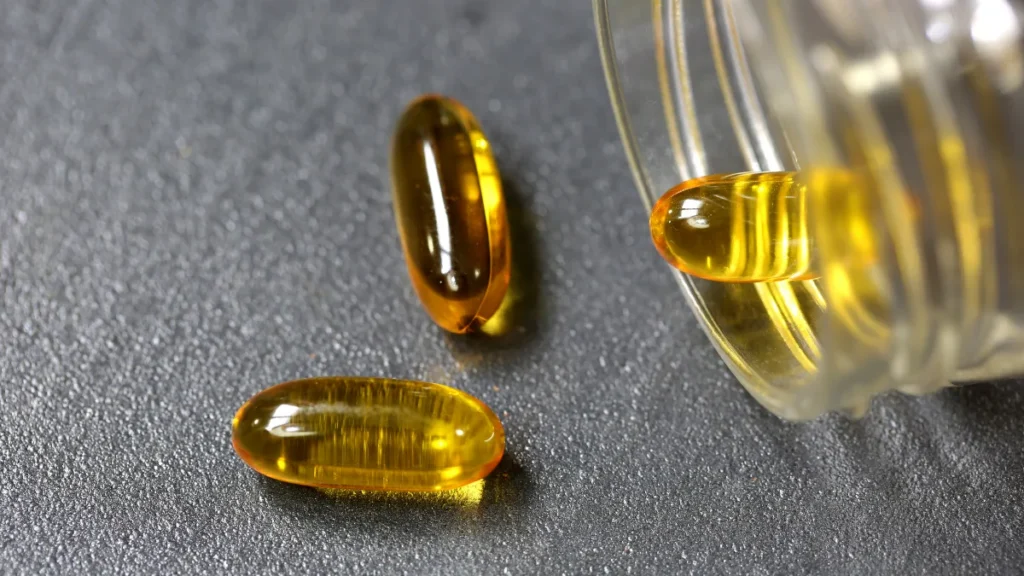
- The dose is two 998 mg capsules twice daily, four capsules a day in total, always taken with a meal. Food is essential for proper absorption.
- The two side effects to know about are a small increased risk of atrial fibrillation and an increased tendency to bleed. Tell your doctor and pharmacist about every other medication you take. Never stop without speaking to your cardiologist first.
For many years, cardiologists recommended fish oil capsules to patients with high triglycerides, and the evidence was modest at best. Then in 2018 a major clinical trial changed the conversation.
The REDUCE-IT trial reported that a specific prescription omega-3 medication reduced the risk of heart attack, stroke, and cardiovascular death in high-risk patients already on statin therapy. The results prompted cardiologists to rethink how they managed this group. This article explains what the medication is, who it is for, how it works, and what to expect if you have been prescribed it.
What Are Vascepa and Vazkepa?
Vascepa and Vazkepa are two brand names for the same medication, icosapent ethyl, a highly purified, prescription-strength form of EPA, one of the omega-3 fatty acids found in oily fish. It was first approved in the United States, where the REDUCE-IT trial was run, and is sold there as Vascepa. In Europe, the United Kingdom, Australia and a number of other markets it is sold as Vazkepa. The active ingredient and the dose are identical, so everything in this article applies equally to both.
What makes this medication different from a standard fish oil supplement is that it contains only EPA, with no DHA, and it is manufactured to a far higher standard of purity. That distinction matters clinically, and we will come back to it in the comparison section below.
How Does It Work?
The medication lowers blood triglycerides, a type of fat that circulates in the bloodstream. At the full prescribed dose it typically reduces triglycerides by around 20 to 30%. The cardiovascular benefit seen in REDUCE-IT was larger than triglyceride lowering alone could explain, and researchers believe several additional mechanisms are involved.
Lowers triglycerides
Reduces this blood fat by about 20 to 30% at the full prescribed dose.
Reduces inflammation
EPA enters blood vessel walls, where it may cool the chronic inflammation that drives arterial plaque.
Stabilises plaque
May make existing fatty deposits more stable and less likely to rupture, the event that triggers most heart attacks.
Reduces platelet stickiness
Platelets are the cells that clump to form clots. Making them less sticky may reduce the risk of a dangerous blockage.
The precise contribution of each pathway is still being studied. You can read more about how inflammation drives heart disease in a separate article.
Who Is It Prescribed For?
This medication is not for everyone. It is mainly used to lower heart risk in people who are already taking a statin but still have raised triglycerides, and who are at high risk because they have already had heart trouble or have diabetes alongside other risk factors. In some countries it is also used to bring down very high triglyceride levels. It is taken alongside a statin, not instead of one.
The exact rules for who can be prescribed it differ from one country to another, and they change over time. So the only reliable answer to “is this right for me?” comes from your own doctor, who can weigh it against your personal situation. Always check with your cardiologist or GP before assuming it does or does not apply to you.
This is not a fish oil capsule from the supermarket. It is a purified, prescription medicine with trial evidence behind it, for a specific group of high-risk patients already on a statin.
Prof. Peter Barlis, Interventional Cardiologist
The REDUCE-IT Trial
The evidence behind this medication comes largely from one landmark clinical trial.
All participants were on stable statin therapy with raised triglycerides. Roughly 70% had already had cardiovascular disease, while the rest had diabetes and additional risk factors. They were randomly assigned to receive either icosapent ethyl or a placebo, a dummy capsule with no active ingredient.
The result was a 25% reduction in serious heart events, a group that included heart attacks, strokes, cardiovascular deaths, and hospital admissions for severe chest pain. Put another way, several fewer people in every hundred had a serious heart event over about five years. In a population already at elevated risk, that is a meaningful difference.
lower risk of serious cardiovascular events in high-risk patients on statin therapy, a result that prompted guideline updates in several countries.
REDUCE-IT trial, New England Journal of Medicine, 2018
How to Take It
The approved dose is two 998 mg capsules twice daily, four capsules a day in total, taken with meals. Food is not optional here. The medication is far better absorbed when taken with food, so the capsules should always be swallowed whole with or just after a meal, never crushed or chewed.
This is a long-term medication whose benefits accumulate over time. If you miss a dose, take your next one as normal with your next meal, and do not double up. The dose and duration are individual, and only your cardiologist can advise what is right for you. Never stop taking it without speaking to your cardiologist first.
Side Effects to Know About
The medication is generally well tolerated, and most people take it without significant problems. Two effects deserve specific attention.
Atrial fibrillation
REDUCE-IT found a small increase in atrial fibrillation, the most common abnormal heart rhythm. The absolute increase was modest. Worth discussing with your cardiologist if you have a history of AF or palpitations.
Increased bleeding tendency
It reduces platelet stickiness, which can increase the tendency to bleed. In the trial, bleeding events were modestly more common than with placebo (around 12% versus 10%), and the risk was greater in people also taking blood-thinning medications such as aspirin, clopidogrel, or warfarin. Tell your doctor and pharmacist about every medication you take.
Other reported effects include constipation, swelling of the hands, feet, or legs, joint or muscle pain, gout, and a fishy aftertaste. Serious reactions are uncommon. Because this is a relatively new medicine, it remains under additional safety monitoring in many countries, and any side effects can be reported to your doctor or your national medicines regulator.
How It Differs From Standard Fish Oil
Many patients ask whether this is just an expensive fish oil capsule. It is not, and the difference is clinically important.
| Vascepa / Vazkepa (prescription) | Standard fish oil (over the counter) | |
|---|---|---|
| Active ingredient | EPA only, highly purified | Mix of EPA and DHA, typically 30 to 40% omega-3 |
| Manufacturing standard | Pharmaceutical grade | Supplement grade |
| Contains DHA | No | Yes |
| Effect on LDL cholesterol | Neutral to slightly favourable | DHA may raise LDL slightly |
| Cardiovascular trial evidence | REDUCE-IT: 25% fewer serious heart events | No comparable outcome data |
| Suitable for vegetarians | No, fish-derived EPA and capsule shell | Most are not, check labelling |
The absence of DHA is deliberate. DHA may raise LDL cholesterol slightly, potentially offsetting some of the benefit, which may be part of why this medication performed differently from standard fish oil in trials. It is worth being clear about one practical point: because both the EPA and the capsule shell are fish-derived, the medication is not suitable for vegetarians, vegans, or people who avoid fish products for religious or cultural reasons, and there is currently no approved vegetarian alternative with the same evidence. If this applies to you, raise it with your cardiologist rather than simply stopping.
Cost and Availability
Because this is a prescription medication rather than a supplement, how much you pay depends heavily on where you live and how your healthcare system works. In some countries it is subsidised through a national scheme or covered by insurance for patients who meet specific criteria, which can reduce the cost substantially. In others it is paid for privately and can be expensive. Approval status and the exact eligibility rules also differ from country to country, and they change over time. The reliable approach is to ask your cardiologist or pharmacist about availability, eligibility, and cost where you live, rather than relying on a figure you read online.
Common Questions
Can I replace my statin with it? No. It works alongside a statin, not instead of one, and all the trial evidence comes from patients already on statin therapy.
Will it show up on a blood test? Yes. Your triglyceride level will fall, and your cardiologist will likely recheck your lipids a few months after starting to confirm it is working as expected.
How long until it works? The triglyceride-lowering effect appears within weeks, but the cardiovascular benefit builds over years of consistent use. This is a medicine for the long term, not a short course.
Heart Matters Resource
When in Doubt, Get Checked Out
If you have raised triglycerides and established heart risk, whether a medication like this fits your care is a conversation worth having. Your cardiologist can weigh it against the rest of your treatment plan.
Conclusion
For a specific group of patients, those already on a statin with raised triglycerides and significant heart risk, the REDUCE-IT evidence shows that icosapent ethyl, whether dispensed as Vascepa or Vazkepa, can reduce the chance of a serious cardiovascular event. It is not a treatment for everyone, and it is not a substitute for the rest of your care.
If you have been prescribed it, take it consistently with meals, keep your pharmacist informed about all your other medications, and attend your regular blood test appointments. That is what gives this medication the best chance of working well for you.
And if you have read this wondering whether it might help you, the most useful next step is simply to ask. Whether this medication is suitable for you depends on your own health, your other medicines, and your level of risk, and only a doctor who knows your history can make that call. Always check with your cardiologist or GP before starting, stopping, or changing any treatment.
Related Reading
- Triglycerides: What Your Number Means and How to Lower It
- Statins: What Patients Ask Me Most
- Omega-3, Fish Oil, and Your Heart: What the Evidence Actually Says
- Fish Oil, Krill Oil, and Cod Liver Oil: What You Need to Know
- What Is Atrial Fibrillation and How Does It Increase Stroke Risk?
- Beyond Statins: PCSK9 Inhibitors and the Future of Cholesterol Management
- Ezetimibe: A Well-Tolerated Partner in Cholesterol Control