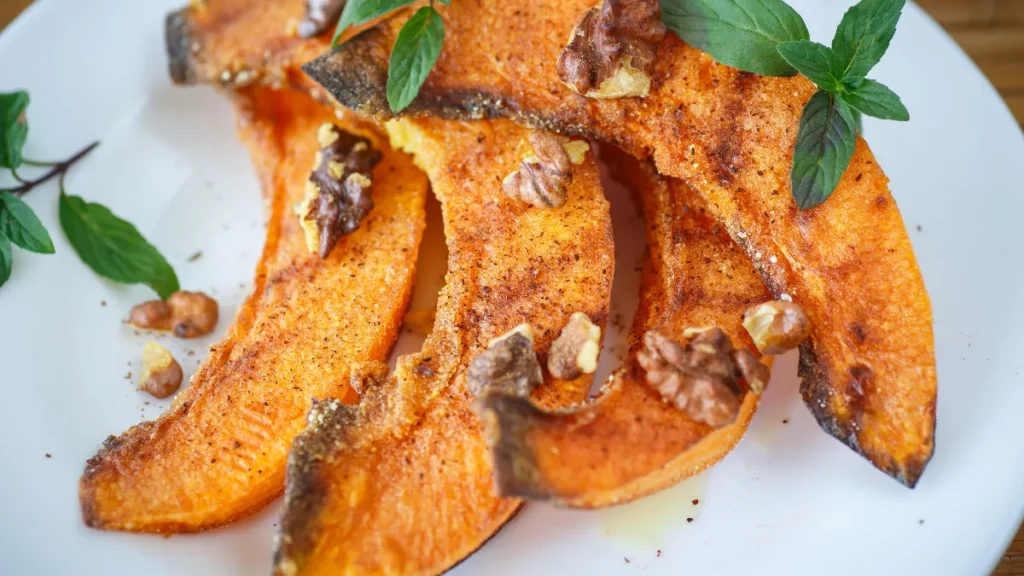
- Pumpkin is naturally low in calories, around 45–50 calories per 100g, while being genuinely rich in fiber, potassium, and antioxidants.
- Its high potassium content supports healthy blood pressure, and its fiber contributes to cholesterol management and blood sugar regulation.
- Beta-carotene, the compound that gives pumpkin its deep orange colour, is a powerful antioxidant associated with reduced cardiovascular inflammation.
- Pumpkin seeds are also nutritionally valuable, providing magnesium, protein, and healthy fats, a small handful makes an excellent snack or garnish.
- Pumpkin is one of the most versatile vegetables available, it works equally well in soups, roasted dishes, salads, and even baking.
Pumpkin tends to get overlooked as a nutritional workhorse, associated more with seasonal cooking and Halloween decorations than with serious heart health credentials. That’s a shame, because it is genuinely one of the more useful vegetables to include regularly in a heart-healthy diet.
Low in calories, high in fiber and potassium, rich in antioxidants, and extraordinarily versatile in the kitchen, pumpkin earns its place on the plate on every measure that matters.
What Pumpkin Does for Your Heart
Potassium and Blood Pressure
Potassium plays a critical role in blood pressure regulation, it counteracts the blood-pressure-raising effects of sodium and helps relax blood vessel walls. One cup of cooked pumpkin provides close to 600mg of potassium, making it a genuinely meaningful contribution to daily intake. For context, most adults fall well short of the recommended 3,500–4,700mg of potassium per day. Including pumpkin regularly, alongside other potassium-rich foods like legumes, leafy greens, and bananas, is a practical dietary strategy for blood pressure management.
Fiber and Cholesterol
Pumpkin is a good source of dietary fiber, particularly soluble fiber, which helps reduce LDL cholesterol by binding to cholesterol compounds in the digestive tract. Its fiber content also supports steadier blood sugar levels and helps with satiety, making it a useful food for anyone managing weight alongside cardiovascular risk factors. At around 45–50 calories per 100g, it provides volume and nutritional density without a significant caloric load.
Beta-Carotene and Antioxidants
The vivid orange colour of pumpkin comes from beta-carotene, a carotenoid that the body converts to vitamin A. Beta-carotene is a powerful antioxidant, and diets rich in carotenoids have been consistently associated with lower rates of cardiovascular disease in population studies. Pumpkin is also a source of vitamin C and other antioxidant compounds that help protect blood vessel walls from oxidative damage, one of the processes underlying atherosclerosis.
Pumpkin Seeds, Worth a Mention
While the flesh gets most of the attention, pumpkin seeds deserve recognition in their own right. They are one of the richest food sources of magnesium, a mineral important for heart rhythm regulation, blood pressure, and blood sugar control. A 30g handful also provides plant-based protein, healthy unsaturated fats, and zinc. Roasted and lightly salted, they make an excellent snack or garnish for soups and salads. See our article on magnesium and your heart for more on why this mineral matters.
Pumpkin in Practice, How to Use It
One of pumpkin’s greatest strengths is its versatility. It absorbs flavours well, roasts beautifully, blends into smooth soups, and works in everything from salads to curries to baked goods. A few ideas worth trying:
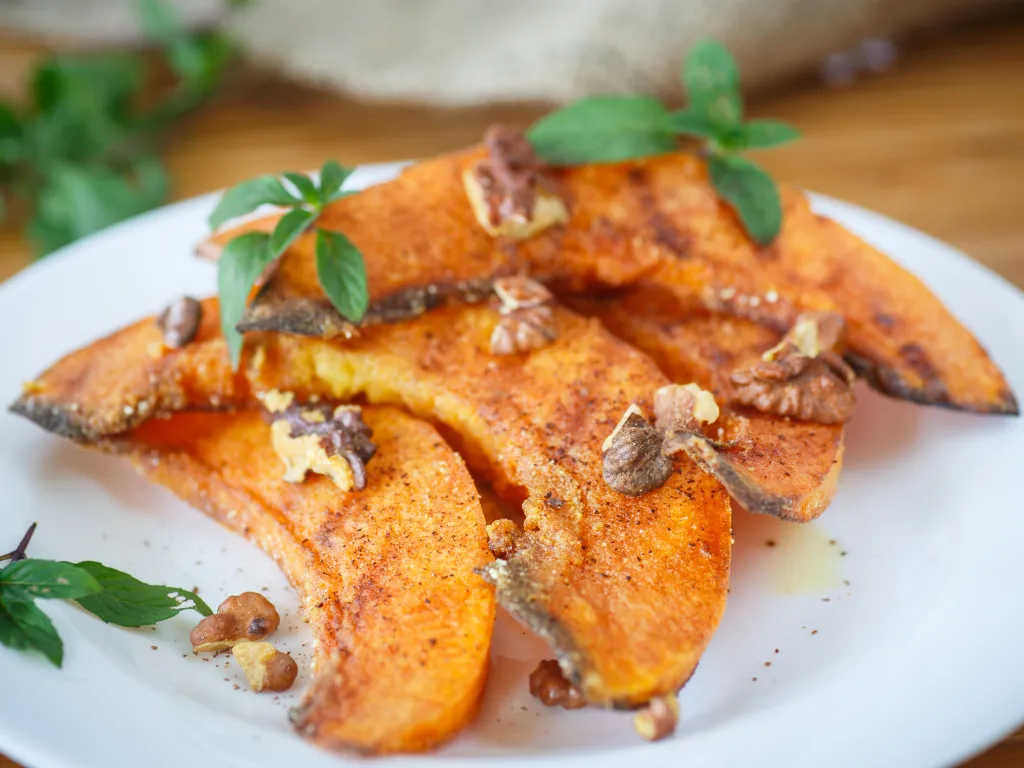
- Roasted as a side dish cubed pumpkin tossed with olive oil, cumin, and smoked paprika and roasted at 200°C is one of the simplest and most satisfying side dishes available.
- In soup our Heart Healthy Roasted Pumpkin Soup uses pumpkin as the base alongside legumes and olive oil for a genuinely nutritious bowl.
- As pumpkin chips thinly sliced and air-fried with a little olive oil, as in our Air Fryer Salmon recipe. A much more nutritious alternative to potato chips.
- In salads roasted pumpkin pairs excellently with quinoa, leafy greens, walnuts, and a balsamic dressing. See the recipe below.
- As a baking substitute pumpkin puree can replace butter or oil in baking recipes, reducing saturated fat while adding moisture and nutritional value.
- Pumpkin seeds as a garnish or snack sprinkle over soups, salads, or yogurt for a magnesium-rich finishing touch.
Recipe, Roasted Pumpkin and Chicken Quinoa Salad
This is a complete, balanced single-serve meal that combines roasted pumpkin with grilled chicken, quinoa, leafy greens, and walnuts, a genuinely heart-healthy plate with good protein, fiber, healthy fats, and a wide range of micronutrients.
Conclusion
Pumpkin is one of those vegetables that rewards anyone who makes it a regular part of their cooking. Low in calories, high in nutritional value, and genuinely delicious prepared well, it supports blood pressure, cholesterol, blood sugar, and overall cardiovascular health as part of a varied diet. Don’t overlook it as a seasonal novelty. It is available year-round, affordable, and one of the most heart-friendly carbohydrate sources available.
Ingredients
- 300 g pumpkin peeled and diced
- 180 g boneless skinless chicken breast
- ½ cup cooked quinoa
- 1 cup mixed leafy greens
- 15 g walnuts roughly chopped
- 2 tablespoons extra-virgin olive oil
- 1 tablespoon balsamic vinegar
- ½ clove garlic minced
- Fresh oregano or parsley finely chopped
- Salt and pepper to taste
Instructions
- Preheat air fryer to 200°C (400°F).
- Toss diced pumpkin with half a tablespoon of olive oil, season with salt and pepper. Air fry for 8–12 minutes until tender and lightly caramelized.
- While pumpkin cooks, drizzle chicken with olive oil and season. Grill until cooked through, then slice into thin strips.
- In a large bowl, combine cooked quinoa, air-fried pumpkin, and sliced chicken.
- Add mixed greens and toss gently.
- Whisk together remaining olive oil, balsamic vinegar, minced garlic, herbs, salt, and pepper to make the dressing. Drizzle over the salad and toss to combine.
- Scatter walnuts over the top and serve immediately.
Notes
Substitute grilled salmon for the chicken for an omega-3 boost.
Cooked quinoa can be prepared in advance and kept in the fridge for up to 3 days — makes this meal very quick to assemble.