


- Chest tightness, a feeling of pressure, squeezing, or constriction across the chest, is one of the most important cardiac symptoms and should never be routinely dismissed.
- It is the classic description of angina, reduced blood flow to the heart muscle during exertion, and in some people is the presentation of an acute coronary syndrome.
- Chest tightness that comes on with exertion and relieves with rest is angina until proven otherwise, regardless of age, fitness level, or how mild it seems.
- Not all chest tightness is cardiac, musculoskeletal causes, acid reflux, and anxiety are common, but these should be diagnoses of exclusion, not assumptions.
- New chest tightness at rest, or tightness that is more severe or prolonged than usual, requires urgent assessment, not a wait-and-see approach.
Of all the words patients use to describe cardiac symptoms, “tightness” is one of the most clinically important. It is the word that, more than almost any other, makes a cardiologist pay close attention.
Chest tightness, a sensation of pressure, squeezing, heaviness, or constriction across the chest, is the hallmark description of angina. It is how many patients describe an acute coronary syndrome. And it is, unfortunately, one of the symptoms most commonly attributed to something benign before a proper assessment has been done.
The most important thing to understand about chest tightness is this: if it comes on with exertion and relieves with rest, it deserves cardiac investigation. Not eventually. Promptly.
What Chest Tightness Feels Like
The cardiac description
Cardiac chest tightness is often described not as pain but as a sensation, pressure, like a hand pressing on the chest. A band around the chest. A heaviness, as though something is sitting on the sternum. Some patients describe it as a squeezing sensation. Others say it feels like indigestion, but located centrally rather than in the stomach.
It typically occupies the centre of the chest, the substernal area, rather than being localised to one side. It may radiate to the left arm, the jaw, the neck, or between the shoulder blades. It may be accompanied by breathlessness, sweating, nausea, or lightheadedness.
Crucially, many patients with classic angina never use the word “pain.” They describe discomfort, pressure, tightness, and because it doesn’t fit their mental model of what a cardiac symptom should feel like, they delay seeking assessment. This delay is one of the most important avoidable factors in cardiac outcomes.
The exertional pattern
Stable angina has a characteristic pattern: the tightness comes on with physical exertion, walking uphill, climbing stairs, hurrying, and relieves within a few minutes of stopping. Cold weather, emotional stress, and a large meal can lower the threshold at which it occurs. The consistency of this pattern is itself diagnostically important, it reflects the predictable relationship between myocardial oxygen demand and coronary supply.
I often tell patients: if you notice a sensation in your chest that consistently appears when you push yourself physically and goes away when you stop, that is angina until your cardiologist tells you otherwise. The fact that it relieves with rest is not reassuring, it is the defining feature of the symptom that requires investigation.
Cardiac Causes of Chest Tightness
Stable angina
Stable angina reflects fixed coronary artery narrowings that limit blood flow during increased demand. The heart muscle is not permanently damaged, it is transiently underperfused during exertion and recovers when demand falls. Investigation typically involves a stress test or CT coronary angiogram to identify the location and severity of disease, followed by medical therapy, stenting, or surgery depending on the findings.
Unstable angina and acute coronary syndrome
When chest tightness occurs at rest, lasts longer than usual, is more severe than previous episodes, or occurs with less exertion than before, the clinical picture has changed. This pattern, called unstable angina or an acute coronary syndrome, reflects plaque instability or rupture and requires urgent assessment. It should not be managed at home.
Vasospastic angina
In some people, chest tightness occurs not from fixed coronary narrowings but from transient coronary artery spasm, a sudden constriction of the artery that temporarily cuts off blood flow. This can occur at rest, often in the early morning hours, and may not be evident on a standard stress test. It is more common than many patients are aware, and it is a treatable condition once correctly identified.
Non-Cardiac Causes, Important but Never Assumed
Not all chest tightness is cardiac, and the clinical assessment will always consider non-cardiac causes. Musculoskeletal chest wall pain, costochondritis, rib pain, or muscle strain, is common and can closely mimic cardiac tightness, though it is typically reproducible on pressing the chest wall. Gastro-oesophageal reflux can produce central chest tightness that is genuinely difficult to distinguish from angina without investigation. Anxiety and panic attacks can produce chest tightness with cardiac-feeling intensity.
The critical point is that these are diagnoses of exclusion, they should be reached after cardiac causes have been appropriately investigated, not assumed because a patient is young, fit, or seemingly low-risk.
| Feature | Suggests cardiac | Suggests non-cardiac |
|---|---|---|
| Onset | Consistently with exertion | At rest, after meals, with stress |
| Relief | Resolves within minutes of stopping activity | Persists or varies regardless of activity |
| Location | Central, substernal | Lateral, localised, reproduced by pressing |
| Radiation | Left arm, jaw, neck, back | Rarely radiates in a consistent pattern |
| Associated symptoms | Breathlessness, sweating, nausea | Bloating, belching, positional variation |
Investigation and Treatment
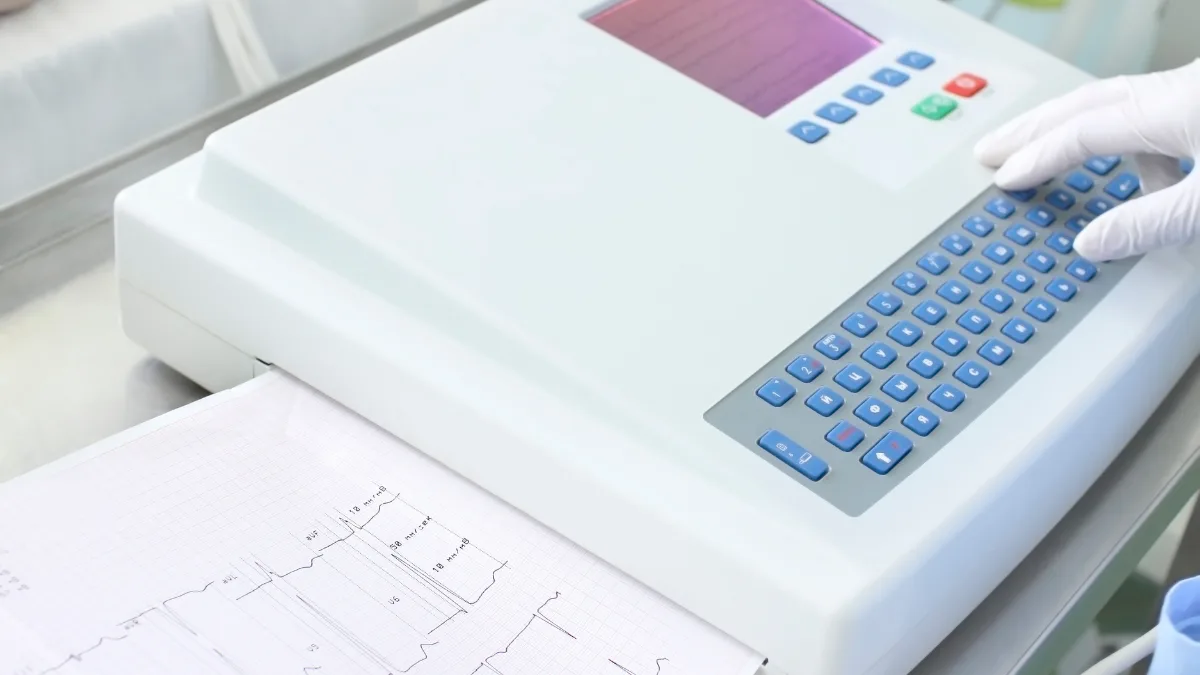
The investigation of chest tightness begins with a 12-lead ECG, blood tests including troponin in acute presentations, and a risk factor assessment. A stress echocardiogram or CT coronary angiogram typically follows for stable exertional symptoms, providing either direct anatomical information about the coronary arteries or functional evidence of ischaemia.
Treatment depends on the underlying cause and severity. Medication, nitrates for symptom relief, beta-blockers, calcium channel blockers, and statins, forms the foundation of stable angina management. For significant coronary narrowings, coronary stenting or bypass surgery may be recommended. For vasospastic angina, calcium channel blockers are particularly effective.
- Is my chest tightness pattern consistent with angina, and what investigation do you recommend to assess this?
- Should I carry GTN spray in case of an episode, and when and how should I use it?
- Does the fact that it relieves with rest make it less urgent to investigate?
- Could this be vasospastic angina rather than fixed coronary disease?
- What symptoms should prompt me to call an ambulance rather than wait for an appointment?
Heart Matters Resource
When in Doubt, Get Checked Out
Chest tightness that comes on with exertion, however mild or brief, deserves prompt cardiac assessment. Do not wait to see if it gets worse before seeking review.
Conclusion
Chest tightness is a symptom that deserves to be taken seriously, both by the patient experiencing it and by the clinicians assessing it. The pattern of exertional onset and rest relief is not reassuring, it is the defining description of angina, a symptom that reflects inadequate blood supply to the heart muscle and that warrants investigation.
The investigations available are safe, effective, and often provide definitive answers quickly. Getting to the right diagnosis early, before a more significant event occurs, is one of the clearest demonstrations of what cardiovascular medicine can do when symptoms are acted on promptly.
If you have chest tightness that follows this pattern and have not yet been investigated, that appointment is worth making today.