











Section

Conditions

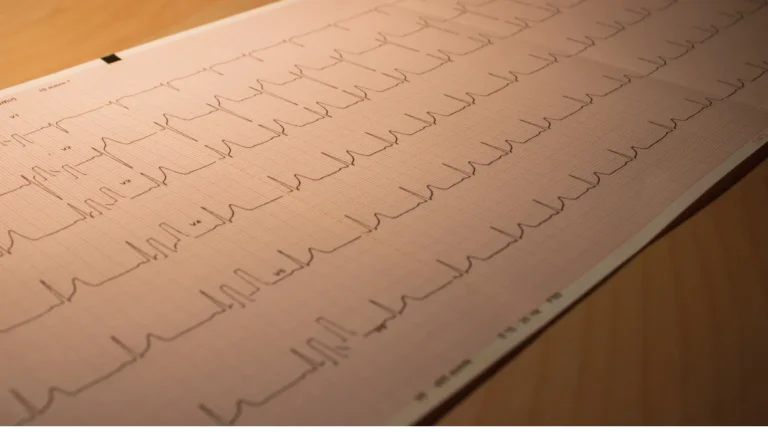
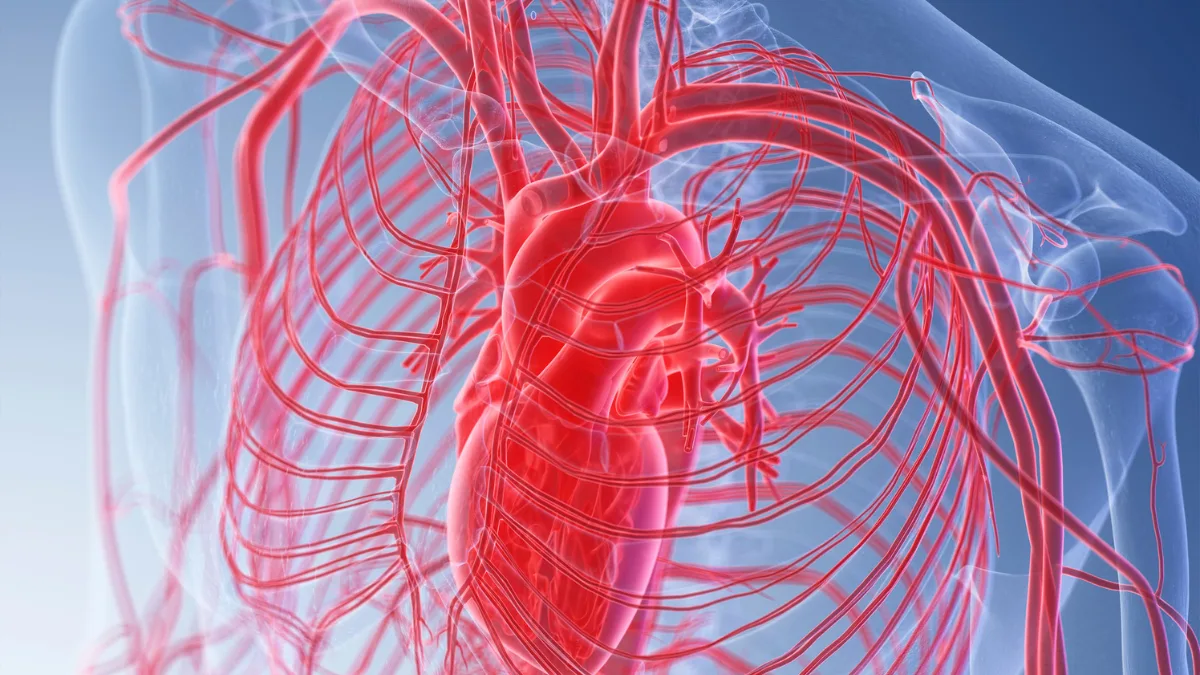
A heart diagnosis can feel overwhelming — but understanding what you have is the first step to feeling more in control. The Conditions section covers the most common heart and cardiovascular conditions in plain language, written by specialist cardiologists. From atrial fibrillation to heart failure, each guide explains what the condition means, how it’s treated, and what life looks like going forward.

Jump to a topic
All articles
What You Need to Know About Pacemakers

What You Need to Know About Pacemakers

A pacemaker is one of the most reliably effective interventions in cardiology. Here is how it works, what implantation involves, and what life looks like afterwards.

What Is Atrial Fibrillation and How Does It Increase Stroke Risk?

What Is Atrial Fibrillation and How Does It Increase Stroke Risk?

Atrial fibrillation is one of the most common heart rhythm disorders, and one of the most important to manage well. Here is what AF is and how it increases stroke risk.

Hypertrophic Cardiomyopathy (HCM): What It Means and Why the Outlook Is Excellent

Hypertrophic Cardiomyopathy (HCM): What It Means and Why the Outlook Is Excellent

Most people with HCM live completely normal lives. Here is what the diagnosis means, what monitoring is needed, and why the outlook is better than most expect.

Heart Stent Unboxing: What’s Inside the Tiny Device That Keeps Arteries Open

Heart Stent Unboxing: What’s Inside the Tiny Device That Keeps Arteries Open

Most people who have had a stent have never actually seen one. This article opens the box, explaining what a coronary stent is made of, how it is delivered, and what it does.

First-Degree AV Block on Your ECG: What Does It Really Mean?

First-Degree AV Block on Your ECG: What Does It Really Mean?

First-degree AV block is a common ECG finding that sounds alarming but is usually harmless. Here is what it means, what causes it, and when further investigation is warranted.

What Does a Left Bundle Branch Block (LBBB) Mean on an ECG?

What Does a Left Bundle Branch Block (LBBB) Mean on an ECG?

A left bundle branch block is an electrical finding on an ECG, not a blocked artery. Prof. Peter Barlis explains what it means, what causes it, and when it matters.

Ventricular Ectopic Beats: What They Are and What They Mean

Ventricular Ectopic Beats: What They Are and What They Mean

Ventricular ectopic beats are one of the most common causes of palpitations, and one of the most reassuring findings in cardiology. Here is what they are and what they mean.

Takotsubo Cardiomyopathy: The Broken Heart Syndrome: and Why the Heart Heals

Takotsubo Cardiomyopathy: The Broken Heart Syndrome: and Why the Heart Heals

Takotsubo feels exactly like a heart attack, but the coronary arteries are open, and in most cases the heart recovers completely within weeks. Here is why the coronary arteries are open, and why the heart almost always recovers.

SCAD: Spontaneous Coronary Artery Dissection: What It Is and What to Expect

SCAD: Spontaneous Coronary Artery Dissection: What It Is and What to Expect

SCAD is a type of heart attack caused by a tear inside a coronary artery, not by cholesterol. It most commonly affects younger women with no conventional risk factors.

Recovering After a Heart Attack

Recovering After a Heart Attack

Coming home after a heart attack raises questions that don't always get answered in hospital. This article covers what to expect and how to move forward with confidence.

What Is Atherosclerosis?

What Is Atherosclerosis?

Atherosclerosis is the underlying process behind most heart attacks and strokes. Here is what drives it, and what you can do to slow it down.

Heart Failure With Reduced Ejection Fraction: Why Quadruple Therapy Changes Everything

Heart Failure With Reduced Ejection Fraction: Why Quadruple Therapy Changes Everything

Modern treatment has transformed heart failure with reduced ejection fraction into one of the most treatable conditions in cardiology. Here is what modern treatment can achieve, and why quadruple therapy is now the standard of care.

Blood Clots: What They Are, Why They Form, and How They’re Treated

Blood Clots: What They Are, Why They Form, and How They’re Treated

Blood clots are one of the body's essential protective mechanisms, but when they form in the wrong place, the consequences can be serious. Here is what you need to know about blood clots and how they are treated.

Coronary Artery Bypass Grafting (CABG): What to Expect

Coronary Artery Bypass Grafting (CABG): What to Expect

Cardiothoracic surgeon Prof Jai Raman explains what coronary artery bypass grafting (CABG) involves, who needs it, how it compares to stenting, and what to expect from surgery and recovery.

A High Calcium Score: What Does It Really Mean?

A High Calcium Score: What Does It Really Mean?

A high calcium score can feel like devastating news, but a number without context is rarely good medicine. Here is what your result actually means and what happens next.

123

Obstructive Sleep Apnoea and the Heart: Why It’s So Often Missed

obstructive sleep apnoea
Key Points

  • Obstructive sleep apnoea, often called OSA or simply sleep apnoea, is a condition where the airway repeatedly closes during sleep, causing breathing to stop briefly, sometimes hundreds of times a night. Most people have no idea it is happening.
  • Sleep apnoea is estimated to affect around one in four adults, and the vast majority have never been diagnosed. It is one of the most important and most treatable conditions in cardiovascular medicine.
  • The heart connections are significant and well established, sleep apnoea is independently linked to high blood pressure, atrial fibrillation, heart failure, and increased risk of heart attack and stroke.
  • Symptoms include loud snoring, waking feeling exhausted despite adequate sleep, morning headaches, and significant daytime tiredness, but many people with sleep apnoea have subtle symptoms and do not recognise the pattern.
  • Treatment with CPAP, a small device that keeps the airway open during sleep, is highly effective and produces real cardiovascular benefits including better blood pressure control and reduced atrial fibrillation burden.

Most people who have sleep apnoea do not know they have it. They know they snore. They know they feel tired no matter how much they sleep. They know they wake with a headache some mornings. But they have put these things down to age, to stress, to being overweight, and the possibility that something specific and very treatable is happening during the night has never been raised.

Sleep apnoea sits at the junction of sleep health and heart health in a way that medicine has taken too long to fully recognise. It is not simply a snoring problem. It is a condition that stresses the cardiovascular system repeatedly through the night, and when it is identified and treated, the benefits extend well beyond simply sleeping better.

This article is for anyone who recognises the pattern described here, and for anyone managing a heart condition who has never been assessed for a sleep disorder that may be quietly working against their treatment.

What Is Sleep Apnoea?

What happens during the night

During sleep, the muscles throughout the body relax, including the muscles that support the soft tissues of the throat. In most people this relaxation is harmless. In people with obstructive sleep apnoea, the airway partially or completely collapses when those muscles relax, blocking the flow of air to the lungs.

When breathing stops, the level of oxygen in the blood begins to fall. The brain detects this and briefly rouses the person, just enough to restore muscle tone in the throat and allow breathing to restart, usually with a snort, gasp, or choking sound. The person rarely fully wakes and rarely remembers any of this. But it may happen dozens or even hundreds of times through the night, preventing the deep, restorative stages of sleep and leaving the person exhausted in the morning despite apparently adequate hours in bed.

How severity is measured

Sleep specialists measure the severity of sleep apnoea by counting the average number of breathing interruptions per hour of sleep. Mild sleep apnoea involves 5 to 15 events per hour. Moderate is 15 to 30. Severe is above 30, which means breathing is being interrupted more than once every two minutes throughout the night. In some people with untreated severe sleep apnoea, this happens every single minute of sleep, a level of overnight stress on the body that has very real cardiovascular consequences.

Recognising the Symptoms

Loud snoring

Often the most noticeable sign, sometimes loud enough to wake a partner in another room. Not every snorer has sleep apnoea, but significant sleep apnoea is almost always accompanied by snoring.

Witnessed pauses in breathing

A partner noticing the person stop breathing and then restart with a snort or gasp. If someone has told you this is happening, it is one of the most important things to tell your doctor.

Unrefreshing sleep

Waking after a full night in bed still feeling exhausted. Many people with sleep apnoea have normalised this feeling over years without realising it reflects a treatable condition.

Morning headache

A dull pressure headache on waking that clears within an hour of getting up. This is caused by a build-up of carbon dioxide in the blood overnight. We have a dedicated article on morning headaches and their connection to sleep apnoea.

Daytime sleepiness

Struggling to stay awake during meetings, in front of the television, or while reading. Falling asleep at the wheel is a serious risk in people with significant untreated sleep apnoea.

Nocturnal palpitations

Each breathing interruption triggers a surge in the body’s stress response that can disturb heart rhythm during sleep, particularly relevant for people with atrial fibrillation. We cover this in our nocturnal palpitations article.

Who Is at Risk?

Sleep apnoea is more common in men than women, though the gap narrows significantly after menopause. Carrying extra weight, particularly around the neck, is the most important modifiable risk factor, as it narrows the airway. Getting older, having a naturally narrow jaw, large tonsils, or a blocked nose all increase the likelihood of sleep apnoea developing.

But sleep apnoea is not exclusively a condition of overweight middle-aged men, and this assumption causes many people to go undiagnosed. Lean individuals, women, and younger people all develop sleep apnoea. People of East and Southeast Asian background develop it at lower body weights than Western populations due to differences in facial bone structure. The symptoms matter more than the stereotype, if the pattern fits, it is worth raising with your doctor regardless of what you weigh or what age you are.

Why Sleep Apnoea Matters for Your Heart

High blood pressure

Sleep apnoea is the most common identifiable cause of blood pressure that is difficult to control, where pressure stays high despite medication. The reason is that each time breathing stops during the night, the body’s stress response fires, raising the heart rate and tightening the blood vessels. This happens so many times through the night that the stress response carries over into the daytime, keeping blood pressure elevated around the clock.

For anyone whose blood pressure has been hard to bring under control despite treatment, asking about sleep apnoea is one of the most valuable steps available. Treating the sleep apnoea often produces blood pressure improvements that medication alone could not achieve.

Atrial fibrillation

Atrial fibrillation, an irregular heart rhythm that significantly increases stroke risk, is closely connected to sleep apnoea. The two conditions frequently coexist, and untreated sleep apnoea makes atrial fibrillation harder to treat and more likely to return after treatment. The overnight oxygen drops and stress surges from sleep apnoea irritate the heart’s electrical system in ways that promote irregular rhythm.

For anyone who has had cardioversion, an electrical reset of the heart rhythm, or catheter ablation to treat AF, treating sleep apnoea is now considered a standard part of protecting that result. Without it, the AF is significantly more likely to return.

Heart failure

In people with heart failure, where the heart is not pumping as efficiently as it should, sleep apnoea adds an additional burden on the heart through the night, at the very time the heart should be resting and recovering. Treating sleep apnoea in people with heart failure improves the heart’s pumping function and reduces the overnight stress load.

Heart attack and stroke risk

The repeated overnight stress that untreated sleep apnoea places on the blood vessels accelerates the build-up of plaque in the arteries, the same process that underlies heart attacks and strokes. Sleep apnoea is an independent cardiovascular risk factor, meaning it adds to risk over and above the conventional factors like blood pressure, cholesterol, and smoking.

Getting a Diagnosis, Simpler Than You Might Think

The sleep study

Diagnosing sleep apnoea requires a sleep study, but this is far simpler than most people imagine. The most common approach is a home-based study, a small portable monitor worn overnight in your own bed. It measures oxygen levels, breathing patterns, heart rate, and body position through the night. Most people sleep almost normally wearing it. The results are reviewed by a sleep specialist and used to determine whether sleep apnoea is present and how severe it is.

A formal in-laboratory sleep study, where the person sleeps overnight at a clinic with more detailed monitoring, is sometimes used for more complex cases, but the home study is the standard starting point for most people.

How to access a sleep study

Your GP or cardiologist can arrange a referral for a sleep study. If you have established cardiovascular disease, particularly high blood pressure that is hard to control, atrial fibrillation, or heart failure, and sleep apnoea has never been assessed, raising it proactively at your next appointment is worthwhile. Many people have been managing their heart condition for years without this important piece of the picture being investigated.

Treatment, What Works and What to Expect

CPAP, the most effective treatment

CPAP, which stands for Continuous Positive Airway Pressure, is the most effective treatment for moderate to severe sleep apnoea. It involves wearing a mask during sleep that delivers a gentle, steady flow of air. This air pressure acts like a splint, keeping the airway open and preventing it from collapsing throughout the night.

Modern CPAP machines are much quieter and more comfortable than earlier generations, many people are surprised by how unobtrusive they are in practice. The mask comes in several styles, and finding the right fit makes a significant difference to comfort. Most people go through an adjustment period of two to four weeks, and the vast majority who persist through that period find the improvement in their sleep, their daytime energy, and their overall wellbeing to be genuinely transformative.

The cardiovascular benefits of consistent CPAP use are real and measurable, better blood pressure control, reduced atrial fibrillation burden, improved heart function in heart failure, and lower overnight cardiovascular stress. For many people, CPAP treatment changes not just their sleep but their overall cardiac management picture.

Weight loss

For people who are overweight, meaningful weight loss reduces the severity of sleep apnoea significantly, and in some cases resolves it entirely. This is the most durable long-term solution. In practice, CPAP and weight loss often go together, the CPAP providing immediate protection while lifestyle changes work over time.

Sleeping position and dental devices

For milder sleep apnoea, particularly in people whose apnoeas mainly occur when sleeping on their back, simply learning to sleep on the side can make a meaningful difference. Custom dental appliances that gently advance the lower jaw during sleep are another option for people with mild to moderate sleep apnoea who cannot tolerate CPAP, they are made by a dentist with experience in sleep disorders and can be very effective in the right patient.

Sleep apnoea assessment is now a routine part of how I evaluate patients with high blood pressure, AF, and heart failure. When it is present and treated, the difference to their cardiac management can be substantial. Treating the heart condition without addressing the sleep apnoea is working with one hand tied behind your back.

— Prof. Peter Barlis, Interventional Cardiologist

Questions worth raising with your doctor

  • I snore heavily and wake feeling exhausted regardless of how long I sleep, should I be assessed for sleep apnoea?
  • My blood pressure has been difficult to control despite medication, could untreated sleep apnoea be a factor?
  • I have atrial fibrillation, has sleep apnoea been assessed as part of my management?
  • I have heart failure, should a sleep study be part of my investigation?
  • I have started CPAP but am finding it difficult to get used to, what support is available?

Heart Matters Resource

When in Doubt, Get Checked Out

If you recognise the pattern described in this article, or if your partner has raised concerns about your breathing during sleep, a sleep study is a straightforward, low-barrier investigation that can answer the question definitively. Raise it with your GP or cardiologist at your next appointment.

Read: When in Doubt, Get Checked Out →

Conclusion

Sleep apnoea is common, under-diagnosed, and very treatable. The connection to cardiovascular health is real and significant, and identifying it in someone managing high blood pressure, atrial fibrillation, or heart failure can genuinely change their clinical picture for the better.

The home sleep study is simple, the treatment is effective, and the improvement in how people feel, in their sleep, their energy, their capacity to engage with life, is one of the most consistent and satisfying outcomes in all of cardiovascular medicine.

If any of the symptoms in this article sound familiar, that conversation with your doctor is worth having. A good night’s sleep is not a luxury, for your heart, it is part of the treatment plan.

More from Heart Matters

POTS: Understanding Postural Orthostatic Tachycardia Syndrome

heartmatters.com 2026 03 31T224224.252
Key Points

  • POTS, Postural Orthostatic Tachycardia Syndrome, is a condition of the autonomic nervous system in which heart rate rises excessively on standing, producing symptoms that can be profoundly disabling.
  • The hallmark is a heart rate increase of 30 beats per minute or more within 10 minutes of standing, without a significant fall in blood pressure, accompanied by a characteristic symptom pattern.
  • Symptoms include dizziness, lightheadedness, palpitations, fatigue, brain fog, and near-fainting on standing, often dramatically improved by lying down, which is one of the most diagnostically telling features.
  • POTS is not rare, it predominantly affects women between the ages of 15 and 50, and is significantly under-diagnosed. Many patients spend years being told their symptoms are anxiety or deconditioning before receiving a correct diagnosis.
  • While POTS can be debilitating, a structured management approach, combining lifestyle strategies, physical reconditioning, and where needed medications, produces meaningful improvement in the majority of patients. Specialist clinic input is an important part of optimal care.

POTS is one of those conditions where the journey to diagnosis is often as difficult as the condition itself. Patients, most of them young, arrive in my clinic having seen multiple doctors, having been told their palpitations are anxiety, their fatigue is depression, their dizziness is nothing to worry about. Some have been told there is nothing wrong. Others have been given a diagnosis of chronic fatigue, fibromyalgia, or panic disorder, and while these may coexist, they are not POTS, and treating them alone leaves the underlying autonomic dysfunction unaddressed.

The relief that comes when POTS is finally named and explained, when a patient understands that their symptoms have a physiological basis that is measurable and treatable, is one of the more meaningful moments in a consultation. It does not make the condition less challenging. But it makes it navigable.

This article is for patients who suspect they may have POTS, who have recently been diagnosed, or who are trying to understand a condition that is often poorly explained. The message I want to convey from the outset is this: POTS is real, it is complex, it is frequently underestimated, and with the right approach, most people do meaningfully better.

What Is POTS?

The autonomic nervous system

The autonomic nervous system regulates the body’s automatic functions, heart rate, blood pressure, breathing, digestion, without conscious effort. When you stand up, it orchestrates an immediate response: blood vessels in the legs constrict to prevent blood pooling downward, and the heart rate adjusts to maintain adequate blood flow to the brain. In most people this happens seamlessly and invisibly.

In POTS, this orchestration is dysregulated. When standing, blood pools excessively in the lower body. The autonomic nervous system compensates with a disproportionate surge in heart rate, but this response is not fully effective, and the brain and upper body receive inadequate perfusion. The result is the characteristic symptom cluster of POTS: dizziness, palpitations, fatigue, and cognitive fog that appear on standing and improve dramatically on lying down.

The diagnostic criteria

The formal diagnostic criterion for POTS is a sustained heart rate increase of 30 beats per minute or more within 10 minutes of standing, or a heart rate exceeding 120 beats per minute on standing, in the absence of orthostatic hypotension (a significant fall in blood pressure on standing). In adolescents, the threshold is a rise of 40 beats per minute.

The key distinction from a simple faint or vasovagal episode is that in POTS, the blood pressure does not fall significantly, it is the heart rate that is the primary abnormality, compensating for inadequate venous return with a dramatic and sustained tachycardia.

What Does POTS Feel Like?

The upright-to-horizontal contrast

One of the most revealing features of POTS, both for diagnosis and for the patient’s own understanding, is how dramatically symptoms vary with position. Standing or sitting upright produces symptoms. Lying down relieves them, often within minutes. This positional dependence is so characteristic that many patients learn to structure their lives around it before they have any diagnosis, lying down after meals, avoiding prolonged standing, sitting rather than standing whenever possible.

When patients describe having to lie on the supermarket floor, or being unable to stand in the shower, or feeling well in bed but incapacitated within minutes of getting up, that history is POTS until proven otherwise.

The symptom cluster

Palpitations

Racing heart on standing, often the most alarming feature. The heart rate surge is real and measurable, not imagined.

Dizziness and lightheadedness

On standing, prolonged standing, or after meals. Reflects inadequate cerebral perfusion despite the compensatory tachycardia.

Profound fatigue

Not ordinary tiredness, a heavy, persistent exhaustion that does not resolve with rest and is worsened by upright activity.

Brain fog

Difficulty concentrating, slowed thinking, memory problems. Reflects reduced cerebral blood flow rather than a primary neurological disorder.

Near-fainting (presyncope)

The feeling of being about to faint, often without actually losing consciousness. Many patients faint eventually but presyncope is more common.

Other autonomic features

Nausea, sweating, temperature dysregulation, headache, and sleep disturbance are common, reflecting the broader autonomic nervous system dysfunction.

Who Gets POTS and Why?

Demographics

POTS predominantly affects women, around 80% of cases, typically between the ages of 15 and 50. The onset is often in adolescence or young adulthood. It is estimated to affect between one and three million people in the United States alone, making it considerably more common than many conditions that receive far greater clinical attention.

Triggers and associations

POTS can develop after a viral illness, a pattern that has been particularly well documented following COVID-19, where post-COVID POTS has been identified as one of the more prevalent long COVID manifestations. Other recognised triggers include significant physical deconditioning, pregnancy, surgery, trauma, and puberty. In some patients there is no identifiable trigger, the autonomic dysregulation appears to be constitutional.

Associated conditions include hypermobile Ehlers-Danlos syndrome, a connective tissue disorder characterised by joint hypermobility, which is found in a significant proportion of patients with POTS. Mast cell activation syndrome, autoimmune conditions, and small fibre neuropathy are also more common in the POTS population than in the general population. These associations are clinically important because they influence investigation and management.

Subtypes

POTS is not a single pathophysiological entity, several distinct subtypes have been described, each with different underlying mechanisms. Hypovolaemic POTS involves a reduced circulating blood volume. Neuropathic POTS involves partial autonomic denervation of the lower limb blood vessels. Hyperadrenergic POTS involves excessive sympathetic nervous system activity. Understanding the subtype, where this is possible, helps guide treatment selection. This is one of the reasons specialist clinic input is so valuable.

Diagnosis

The active stand test

The simplest diagnostic assessment is the active stand test, measuring heart rate and blood pressure after lying supine for 10 minutes, then at intervals over 10 minutes of standing. A sustained heart rate rise of 30 beats per minute or more (40 in adolescents), with symptoms, and without significant blood pressure fall, meets the diagnostic criteria.

Tilt table testing

For a more controlled assessment, or when the active stand test is inconclusive, a tilt table test is performed. The patient is strapped to a table that is tilted from horizontal to 70 degrees and held there for up to 45 minutes while heart rate and blood pressure are continuously monitored. This test is the gold standard for diagnosing POTS and other forms of orthostatic intolerance.

Further investigation

Blood tests assess for common associated conditions, thyroid function, anaemia, autoimmune markers, and plasma volume studies where available. A 24-hour Holter monitor documents the heart rate patterns throughout a normal day. Echocardiography confirms normal cardiac structure and function. Skin biopsy for small fibre neuropathy may be considered in specialist centres.

One of the most validating moments for a patient with POTS is seeing their own heart rate trace on a monitor, watching it jump from 70 to 130 beats per minute simply on standing. For someone who has been told for years that their symptoms are anxiety or deconditioning, seeing the objective evidence of what their body is doing is genuinely transformative. It changes the conversation from “is this real?” to “what are we going to do about it?”, and that is a much better conversation to be having.

— Prof. Peter Barlis, Interventional Cardiologist

Management

Why a specialist clinic matters

POTS is best managed by a multidisciplinary team with experience in autonomic disorders. In Australia, POTS clinics, typically combining cardiology, neurology, and physiotherapy, offer the comprehensive, coordinated approach that this condition requires. A cardiologist managing a patient with POTS in isolation can help, but the physiotherapy reconditioning programme, the dietary advice, the psychological support for coping with a chronic and often poorly understood condition, these are best provided by a team that has developed expertise in this specific patient group.

If you have been diagnosed with POTS and are not yet under the care of a specialist clinic, asking for a referral is a worthwhile conversation to have.

Non-pharmacological strategies, the foundation

The core of POTS management is non-pharmacological, and for many patients, these measures alone produce significant improvement.

Fluid and salt loading is fundamental. Increasing fluid intake to two to three litres of water per day and increasing dietary salt, in the absence of hypertension, expands circulating blood volume and reduces the degree of orthostatic pooling. Many patients notice improvement within days of implementing this consistently.

Compression garments, waist-high graduated compression stockings or abdominal binders, physically counteract blood pooling in the lower body on standing. They are unglamorous but effective, and most patients who use them consistently find them meaningful.

Physical reconditioning is one of the most impactful and most challenging elements of management. Deconditioning worsens POTS significantly, yet upright exercise is poorly tolerated in active POTS. The key is starting with recumbent exercise, rowing machines, recumbent cycling, swimming, that achieves cardiovascular conditioning without the orthostatic stress of being upright. Gradually, as tolerance improves, more upright exercise can be introduced. This process takes months and requires patience, but the functional gains are real and durable.

Practical behavioural strategies make a significant difference to daily functioning, elevating the head of the bed by 10 to 20 degrees, rising from lying slowly, avoiding prolonged standing, eating smaller and more frequent meals (large meals divert blood to the gut), and avoiding heat and dehydration.

Medications

When non-pharmacological measures are insufficient, several medications have evidence supporting their use in POTS. Fludrocortisone increases salt and water retention, expanding blood volume. Midodrine is a vasoconstrictor that increases peripheral vascular resistance and reduces pooling, it is taken in doses timed around upright activity and cannot be taken at night. Beta-blockers, particularly low-dose propranolol, reduce the heart rate surge on standing and can alleviate the palpitation component significantly, though they need to be used carefully as they can worsen fatigue. Ivabradine, a selective heart rate-slowing agent without the side effects of beta-blockers, has shown benefit in POTS and is increasingly used.

The right medication, and the right dose, varies significantly between patients and subtypes. This is another reason why specialist clinic input matters: the trial-and-error process of finding what works for an individual patient is better navigated with experience.

Pacing and long-term outlook

POTS is not a progressive condition in the way that heart failure or coronary artery disease is, it does not inevitably worsen over time. Many patients, particularly those who develop POTS in adolescence, improve significantly as they mature. Those who develop it after a trigger such as a viral illness often improve meaningfully once the underlying trigger resolves and they have completed a structured reconditioning programme.

The trajectory varies enormously between individuals, some recover to full functional capacity, others manage well with ongoing strategies, and some continue to find the condition significantly limiting. Managing expectations honestly while maintaining therapeutic optimism, and adjusting the management approach iteratively as the patient’s condition evolves, is the art of POTS management.

Questions worth asking at your next appointment

  • Has POTS been formally confirmed with an active stand test or tilt table test?
  • Is referral to a specialist POTS or autonomic clinic appropriate for my situation?
  • Am I implementing the foundational measures, fluid, salt, compression, reconditioning, consistently and correctly?
  • Could my POTS be associated with an underlying condition such as hypermobile EDS or an autoimmune process?
  • Is my current medication approach optimised, and are there alternatives worth considering?

Heart Matters Resource

When in Doubt, Get Checked Out

If you experience dizziness, palpitations, and profound fatigue on standing that relieves on lying down, and these symptoms have been attributed to anxiety or deconditioning without a formal assessment, asking your doctor about POTS is the right next step.

Read: When in Doubt, Get Checked Out →

Conclusion

POTS is a condition that deserves to be taken seriously, by patients, by the clinicians they see, and by the healthcare system that too often dismisses the symptoms before investigating them properly. It is not anxiety. It is not deconditioning, though deconditioning makes it worse. It is an autonomic nervous system disorder with a measurable, objective physiological signature and a range of treatments that meaningfully improve quality of life for most people who receive appropriate care.

The diagnostic journey is often long and frustrating. But a correct diagnosis changes everything, from the framing of the condition, to the management approach, to the patient’s own understanding of why their body responds the way it does.

If you have POTS, or suspect you might: you deserve a proper assessment, a clear explanation, and access to a management approach that goes beyond “drink more water and exercise more.” A specialist POTS clinic is the best environment in which to receive all of that. Ask for a referral if you have not already been offered one.

More from Heart Matters

Heart Health During Pregnancy: What You Need to Know

heartmatters.com 2026 04 05T000354.496


Key Points

  • Pregnancy places extra demands on the heart, blood volume rises by up to 50%, the heart beats faster, and the body works harder. These changes are normal and expected.
  • Many symptoms in pregnancy, palpitations, breathlessness, fatigue, and mild ankle swelling, are a normal part of these adaptations, not a sign that something is wrong.
  • Some conditions, including high blood pressure, heart rhythm changes, and rarely peripartum cardiomyopathy or SCAD, can occur during or after pregnancy and are important to be aware of.
  • Most of these conditions are manageable when recognised early, and your maternity and cardiology teams are experienced in supporting women through them.
  • If you have a pre-existing heart condition, planning your pregnancy with your specialist team makes a significant difference to outcomes.
  • Complications in pregnancy can also be a window into your future heart health, making follow-up after delivery an important part of long-term wellbeing.

Pregnancy is one of the most remarkable things the human body does. To support a growing baby, your heart and circulation adapt in ways that are genuinely extraordinary, and for the vast majority of women, pregnancy is a safe and healthy experience.

That said, the heart is working harder than usual, and it helps to understand what is normal, what is worth mentioning, and, in the rare cases where something does need attention, what good care looks like. This article is designed to give you that picture clearly and honestly, without causing unnecessary alarm.

What happens to your heart during pregnancy?

From the earliest weeks of pregnancy, your cardiovascular system begins to adapt. Blood volume increases by up to 50% to support the placenta and baby. Your heart beats faster, typically 10 to 20 beats per minute more than usual. And the total output of blood your heart pumps each minute increases significantly, often by 30 to 50%.

Blood pressure tends to fall slightly in the first and second trimester as blood vessels relax and widen, before gradually returning toward your normal level in the third trimester. These are not signs of anything going wrong, they are the body doing exactly what it is supposed to do.

What this means practically is that your heart is doing more work. And like any system under increased load, it can produce symptoms that, understandably, feel concerning, even when they are entirely expected.

Symptoms that are usually a normal part of pregnancy

Many of the cardiovascular symptoms women notice during pregnancy are simply the body adjusting to its new demands. They are worth knowing about so they do not come as a surprise.

Symptom Why it happens
Palpitations The faster heart rate and increased blood volume can make you more aware of your heartbeat, particularly at rest or at night
Breathlessness The diaphragm is pushed upward by the growing uterus, and the body’s oxygen demands increase, mild breathlessness on exertion is very common
Fatigue The cardiovascular system is working significantly harder, tiredness, especially in the first and third trimester, is expected
Ankle swelling Fluid retention is common, particularly later in pregnancy, due to hormonal changes and pressure on the pelvic veins
Light-headedness Blood pressure naturally falls in early pregnancy, standing up quickly can occasionally cause a brief dizzy sensation

In my experience, the women who feel most at ease during pregnancy are those who know what to expect from their body, and who feel confident enough to speak up when something doesn’t feel right.

These symptoms are common and usually reassuring when they occur in isolation and do not dramatically worsen. If any of them feel sudden, severe, or out of proportion, they are always worth mentioning to your midwife or doctor, not because they are likely to be serious, but because it is always better to be certain.

Blood pressure in pregnancy

Blood pressure monitoring is one of the most important aspects of antenatal care, and for good reason. While mild falls in blood pressure early in pregnancy are normal, a significant rise, particularly in the second half of pregnancy, needs attention.

Gestational hypertension

Some women develop high blood pressure after 20 weeks of pregnancy without any other features. This is called gestational hypertension. It often resolves after delivery, but it does require monitoring and sometimes medication to keep blood pressure within a safe range for both mother and baby.

Pre-eclampsia

Pre-eclampsia is a more significant condition that combines high blood pressure with signs that other organs, typically the kidneys or liver, are under stress. It affects around 2–8% of pregnancies. Symptoms can include persistent headache, visual changes, upper abdominal pain, and sudden worsening of swelling.

Pre-eclampsia is taken seriously because of its potential to progress, but it is also one of the most closely monitored conditions in obstetric care. Women who develop it are supported carefully, and the condition resolves after delivery. If you have risk factors such as a first pregnancy, multiple pregnancy, obesity, diabetes, or a family history of pre-eclampsia, your team will be watching closely from the outset.

2–8%
of pregnancies are affected by pre-eclampsia, a closely monitored and manageable condition that resolves after delivery

Heart rhythm changes in pregnancy

Palpitations are among the most common cardiac symptoms reported during pregnancy, and in the vast majority of cases they are entirely benign. The combination of a faster heart rate, higher blood volume, and the hormonal environment of pregnancy can make extra heartbeats, known as ectopic beats, more noticeable than usual.

Most of the time, these are harmless. They do not require treatment and typically settle after delivery. However, if palpitations are frequent, prolonged, associated with dizziness or fainting, or feel like a sustained rapid or irregular rhythm, they are worth reporting. An ECG is quick, painless, and safe in pregnancy, and can provide important reassurance or identify whether any further assessment is needed.

Some women with pre-existing heart rhythm conditions, such as supraventricular tachycardia (SVT), find that episodes become more frequent during pregnancy. This is manageable with appropriate monitoring and, where needed, treatment that is safe for the baby.

Peripartum cardiomyopathy

Peripartum cardiomyopathy is a rare condition in which the heart muscle becomes weakened in the final month of pregnancy or in the months following delivery. It is uncommon, affecting approximately 1 in 1,000 to 1 in 4,000 pregnancies, but it is important to be aware of.

The symptoms can overlap with normal pregnancy experiences, breathlessness, fatigue, and swelling, which is why any significant or rapidly worsening symptoms in late pregnancy or after delivery deserve prompt attention. When recognised early, the outlook is genuinely encouraging. Most women with peripartum cardiomyopathy recover well with appropriate treatment, and many regain normal heart function within months.

Risk factors include older maternal age, multiple pregnancy, pre-eclampsia, and African heritage. If you develop new and significant breathlessness, difficulty lying flat, or swelling that seems out of proportion in the weeks around delivery, mention it to your doctor promptly, not because it is likely to be serious, but because early assessment makes a real difference.

SCAD, Spontaneous Coronary Artery Dissection

Spontaneous coronary artery dissection, or SCAD, is a rare but important cause of heart attack in young women, and it has a particular association with pregnancy and the postpartum period. It occurs when a small tear develops in the wall of a coronary artery, disrupting blood flow to part of the heart muscle.

SCAD can feel like a classic heart attack, chest pain, breathlessness, and sometimes pain radiating to the arm or jaw. In the context of a recently pregnant or postpartum woman, these symptoms should always be taken seriously and assessed urgently. The good news is that the majority of women with SCAD recover well, and with the right specialist support, outcomes are positive.

We have a dedicated article on SCAD on this site if you would like to understand more about this condition.

Pre-existing heart conditions and pregnancy

Women with known heart conditions, including congenital heart disease, valve disease, or cardiomyopathy, can and do have successful pregnancies. The key is planning ahead with a specialist team who can assess how pregnancy is likely to affect your individual situation and put appropriate monitoring in place from early on.

This kind of joint care, between your cardiologist and your obstetrician, makes an enormous difference. It allows potential issues to be anticipated rather than reacted to, and ensures that any medications you are on are reviewed for safety in pregnancy well in advance.

If you have a heart condition and are thinking about starting a family, a preconception appointment with your cardiologist is one of the most valuable investments you can make.

Investigations that are safe in pregnancy

If your doctor or midwife wants to investigate a cardiac symptom during pregnancy, there are several tests that are completely safe and commonly used.

An ECG is painless and safe at any stage of pregnancy. An echocardiogram uses ultrasound, the same technology used to image your baby, and carries no radiation risk whatsoever. Blood tests, including markers of heart stress, can also be checked safely if there is clinical concern. Your team will only request investigations when they are genuinely needed, and they are experienced in interpreting results in the context of pregnancy’s normal physiological changes.

Medications in pregnancy

Some cardiac medications are safe to continue during pregnancy, others need to be adjusted, and a small number should be avoided. This is an area where the guidance is specific to each person and each condition, a medication that is appropriate for one woman may not be right for another.

If you are on cardiac medication and become pregnant, or are planning a pregnancy, speak with your cardiologist as early as possible. Do not stop any medication without guidance, as this can sometimes carry its own risks. The goal is always to find the approach that best protects both you and your baby.

After pregnancy, looking after your heart long-term

The period after delivery is an important one for heart health monitoring. Peripartum cardiomyopathy, SCAD, and postpartum pre-eclampsia can all emerge or continue in the weeks after birth, so paying attention to new symptoms after delivery matters just as much as during pregnancy.

Beyond the immediate postpartum period, there is growing evidence that complications in pregnancy, particularly pre-eclampsia, gestational diabetes, and preterm delivery, are associated with a modestly increased risk of cardiovascular disease later in life. This does not mean that heart disease is inevitable; it means that your pregnancy history is a useful part of your overall health picture.

When you see your GP or cardiologist in future years, mention any significant pregnancy complications. It allows your longer-term cardiovascular risk to be assessed appropriately and helps ensure that any preventive measures, lifestyle, blood pressure monitoring, cholesterol checks, are put in place at the right time.


Heart Matters · Hub Page

Women’s Heart Health

Heart disease affects women differently, from symptoms to risk factors to treatment responses. Our dedicated hub covers everything women need to know, written by cardiologists and nurses who specialise in women’s cardiovascular health.

Explore the Hub →

Questions to Ask Your Midwife or Cardiologist

Going into appointments prepared helps you get the most from the time you have. Here are some questions worth raising:

Questions worth asking

  • The palpitations I am experiencing, are these something you would expect at this stage of pregnancy, or do they warrant further investigation?
  • My blood pressure has been a little high, what level would prompt you to consider medication, and what are the safest options in pregnancy?
  • I had pre-eclampsia in a previous pregnancy, does this change how you will monitor me this time?
  • I have a pre-existing heart condition, who should I be seeing through this pregnancy, and how often?
  • After delivery, what follow-up should I have for my heart health, and over what timeframe?

Conclusion

Pregnancy is a time of extraordinary change for the heart and circulation, and for the vast majority of women, those changes unfold safely, supported by a body that is remarkably well designed for the task. Most cardiac symptoms during pregnancy are a normal part of that adaptation, not a warning sign.

Where conditions do arise, whether blood pressure changes, rhythm disturbances, or the rarer but important conditions like peripartum cardiomyopathy or SCAD, the outcomes with good care are genuinely encouraging. Awareness is not the same as anxiety; knowing what to look for means that if something does need attention, it gets it promptly.

Your maternity and cardiac teams are there to support you at every stage. Trust your instincts, speak up when something feels different, and know that asking questions is always the right thing to do.

Free Resources

Our Heart Glossary explains terms like pre-eclampsia, cardiomyopathy, arrhythmia, and echocardiogram in plain language, helpful to have alongside your antenatal appointments.

Rheumatic Heart Disease: A Preventable Condition Affecting Millions

heartmatters.com 2026 03 31T224014.196
Key Points

  • Rheumatic heart disease is caused by repeated episodes of acute rheumatic fever, an abnormal immune response to streptococcal throat infection, that progressively damages the heart valves.
  • The causative organism is Group A Streptococcus, the same bacteria responsible for strep throat. In high-income countries, prompt antibiotic treatment prevents the inflammatory cascade. In low-resource settings, untreated infections lead to rheumatic fever and lasting valve damage.
  • The mitral valve is most commonly affected, producing stenosis or regurgitation that worsens with each recurrent episode of rheumatic fever. The aortic valve is the second most frequently involved.
  • Rheumatic heart disease remains the leading cause of acquired cardiovascular disease in children and young adults worldwide, predominantly affecting people in low and middle-income countries, including our nearest neighbour, Timor-Leste.
  • Prevention is straightforward and inexpensive, prompt antibiotic treatment of streptococcal throat infection and long-term penicillin prophylaxis for those who have had rheumatic fever. The tragedy is one of access, not of medical complexity.

In Australian cardiology practice, rheumatic heart disease is a condition most cardiologists encounter rarely, a case here, a patient referred from overseas there. For many of my colleagues it exists mainly in textbooks, as a historical curiosity from an era before widespread antibiotic use.

But spend a week in the cardiac clinic at Hospital Nacional Guido Valadares in Dili, Timor-Leste, as I have, and the picture changes completely. You see young people in their twenties and thirties with severely damaged mitral valves. Children with significant valve disease. Patients who have never had access to the antibiotics that would have prevented everything they are now facing.

Rheumatic heart disease has not gone away. It has simply moved to places where we are less likely to see it, and where the people affected have less power to demand the attention their condition deserves. It remains the leading cause of acquired cardiovascular disease in children and young adults worldwide, affecting an estimated 40 million people and killing hundreds of thousands every year.

This article is about raising awareness of a condition that is preventable, treatable, and profoundly under-prioritised, and about the work being done to change that.

Heart Matters, Supporting the Timor-Leste Hearts Fund

The Timor-Leste Hearts Fund is Australia’s only medical NGO dedicated to life-saving heart surgery and heart health education for young people in Timor-Leste. Prof. Peter Barlis serves on the board and has worked on the ground in Dili supporting the Fund’s cardiac screening and skills training programs. Every donation makes a direct difference to a young person’s life.

Visit the Timor-Leste Hearts Fund →

The Causative Organism, Group A Streptococcus

A familiar bacteria with an unfamiliar consequence

Group A Streptococcus, Streptococcus pyogenes, is the bacteria responsible for strep throat. In Australia and other high-income countries, it is a common childhood infection that is diagnosed with a throat swab and treated with a course of antibiotics. Most children recover completely within days and never think about it again.

In settings where access to diagnosis and antibiotics is limited, or where poverty, overcrowding, and inadequate housing amplify the transmission and recurrence of streptococcal infections, the story is very different. When strep throat goes untreated or undertreated, some individuals mount an abnormal immune response. The immune system, primed to attack the streptococcal proteins, begins to cross-react with the body’s own tissues, including the heart. This is acute rheumatic fever.

Why the immune system attacks the heart

The mechanism of cardiac damage in rheumatic fever is molecular mimicry, proteins on the surface of Group A Streptococcus are structurally similar to proteins found in the human heart, particularly in the valve tissue. The immune system, mounting a response to the infection, cannot reliably distinguish between the bacterial proteins and the cardiac proteins. The resulting inflammatory attack damages the endocardium, the inner lining of the heart, and in particular the heart valves.

This is not a direct infection of the heart. The bacteria do not invade the cardiac tissue. It is the immune response itself, intended to protect the body, that causes the damage. This distinction matters because it explains why the damage continues even after the infection has resolved, and why recurrent streptococcal infections cause cumulative, progressive valve injury.

From Strep Throat to Heart Disease, The Disease Pathway

▶ The Progression of Rheumatic Heart Disease

Stage What happens Timeframe Prevention window
Step 1 Group A strep throat infection sore throat, fever, swollen glands. Often mild or asymptomatic in young children. Days ✓ Antibiotics here prevent everything that follows
Step 2 Acute rheumatic fever joint pain, fever, skin nodules, chorea (involuntary movements), and carditis (inflammation of the heart). Occurs 2–4 weeks after untreated strep infection in susceptible individuals. 2–4 weeks after infection ✓ Anti-inflammatory treatment limits cardiac damage
Step 3 Recurrent rheumatic fever each subsequent strep infection triggers another inflammatory attack on already-damaged valves. Damage is cumulative and progressive with each episode. Months to years ✓ Penicillin prophylaxis prevents recurrence
Step 4 Chronic rheumatic heart disease scarring, thickening, and calcification of the valve leaflets produce stenosis (narrowing) or regurgitation (leaking), or both. Progressive valve dysfunction leads to heart failure, arrhythmia, and stroke. Years to decades Surgery or intervention required at this stage
Step 5 End-stage valve disease severe heart failure, pulmonary hypertension, atrial fibrillation, stroke risk. Without intervention, premature death, often in the third or fourth decade of life. Decades Prevention failed, surgical or palliative care only

How Rheumatic Fever Damages the Heart

Carditis, the acute inflammatory phase

During an episode of acute rheumatic fever, inflammation can affect all three layers of the heart, the pericardium, myocardium, and endocardium. The endocarditis component, inflammation of the inner heart lining and valves, is responsible for the lasting structural damage. Small inflammatory nodules called Aschoff bodies form in the valve tissue. The valve leaflets become swollen and inflamed. In the acute phase, this can cause the valve to leak.

With prompt treatment and no recurrence, this acute inflammation may resolve without lasting damage. But with recurrent episodes, each one adds another layer of scarring, fibrosis, and calcification to the valve structure.

Valve involvement, which valves and how

The mitral valve is by far the most commonly affected, involved in around 65 to 70% of cases of rheumatic heart disease. The aortic valve is the second most frequently affected, either in isolation or, more commonly, in combination with the mitral valve. The tricuspid and pulmonary valves are involved in a minority of cases and rarely in isolation.

Rheumatic damage produces two distinct valve abnormalities, either separately or together. Stenosis occurs when the valve leaflets fuse together along their edges, progressively narrowing the valve opening and restricting forward blood flow. Regurgitation occurs when scarring prevents the leaflets from closing completely, allowing blood to leak backwards. Many patients with longstanding rheumatic heart disease have elements of both.

Mitral stenosis, the signature lesion

Mitral stenosis, narrowing of the mitral valve, is the signature lesion of rheumatic heart disease and is virtually unknown in high-income countries outside this context. As the valve area progressively narrows from a normal 4 to 6 square centimetres toward the critical threshold of below 1.5 square centimetres, blood backs up from the left atrium into the pulmonary circulation.

The consequences are progressive. Breathlessness develops, initially on exertion, then at rest. Pulmonary hypertension follows as the pressure backs up further. Atrial fibrillation becomes increasingly common as the left atrium dilates under chronic pressure overload, and in the context of mitral stenosis, AF carries a very high stroke risk from clot formation in the left atrial appendage. Heart failure follows. Without intervention, the trajectory is relentlessly downward.

This is the disease I see in young adults in Timor-Leste. A 28-year-old with severe mitral stenosis, in atrial fibrillation, breathless at minimal exertion, a picture that is largely absent from Australian cardiology practice but common across much of the developing world.

A Global Burden, and a Local Reality

The scale of the problem

Rheumatic heart disease affects an estimated 40 million people worldwide and causes approximately 300,000 deaths annually, the vast majority in low and middle-income countries in sub-Saharan Africa, South Asia, the Pacific Islands, and Southeast Asia. It disproportionately affects children and young adults in the prime of their lives, in communities that can least afford to lose productive members to preventable disease.

In Timor-Leste, Australia’s nearest neighbour, a country of approximately 1.3 million people that has only had independence since 2002, rheumatic heart disease remains one of the most significant cardiovascular burdens. Limited access to antibiotics for streptococcal infections, overcrowded housing conditions that facilitate strep transmission, and a healthcare system that is still developing its capacity to screen, diagnose, and treat cardiac disease all contribute to a burden that is entirely disproportionate to what should be possible with basic medical resources.

What I saw in Dili

During my time working with the cardiac team at Hospital Nacional Guido Valadares in Dili, the contrast with Australian practice was stark. Patients with valve disease that would have been identified and treated years earlier in Australia. Young people in heart failure from conditions that were preventable with antibiotics costing cents per course. Families who had no idea that a sore throat their child had years ago was the beginning of the heart disease now threatening their life.

The clinical skill and dedication of the local cardiologists working with the resources available to them is remarkable. The limitation is not knowledge or commitment, it is the infrastructure, the medication access, and the surgical capacity that simply does not yet exist within the country.

Mending Broken Hearts

The Timor-Leste Hearts Fund

Australia’s only medical NGO dedicated to life-saving heart surgery and heart health education for young people in Timor-Leste. Founded in 2010, the Fund partners with the cardiac clinic at Hospital Nacional Guido Valadares to screen patients, provide surgery for critical cases in Australia, and build local clinical capacity.

Key programs include penicillin prophylaxis for patients with known rheumatic heart disease, echocardiographic screening, clinical mentorship for local cardiologists, and advocacy for a health system that can one day manage this burden domestically.

Support the Timor-Leste Hearts Fund →

Prevention, The Power of a Simple Antibiotic

Primary prevention, treating strep throat

The most powerful intervention in the entire rheumatic heart disease chain is also the simplest: treating streptococcal throat infection promptly with antibiotics. A 10-day course of penicillin, or a single injection of benzathine penicillin G, eradicates the Group A Streptococcus and prevents the abnormal immune response that leads to rheumatic fever.

This is straightforward in a healthcare system with access to diagnosis and antibiotics. In settings without reliable access to either, it is the gap through which millions of lives fall.

Secondary prevention, penicillin prophylaxis

For individuals who have already had acute rheumatic fever, preventing recurrence is the most important priority. Every subsequent streptococcal infection risks triggering another inflammatory attack on already-damaged valves. Long-term penicillin prophylaxis, typically monthly injections of benzathine penicillin G, prevents this recurrence and halts the progressive valve damage.

The Timor-Leste Hearts Fund’s penicillin prophylaxis programme is one of its most impactful initiatives, identifying patients with known rheumatic heart disease and ensuring they receive their monthly penicillin, protecting already-damaged valves from further deterioration. The cost of this intervention is minimal. The benefit to an individual’s cardiac trajectory is enormous.

Echocardiographic screening

One of the most significant advances in rheumatic heart disease management has been the recognition that echocardiography can identify subclinical rheumatic valve disease, damage that is present but not yet producing symptoms, in populations with high rheumatic fever rates. Screening programs in endemic regions can identify patients who would benefit from prophylaxis before their disease becomes clinically significant. The Fund supports this screening capacity at the National Hospital in Dili.

Treatment, When Prevention Has Failed

Medical management

For patients with established rheumatic heart disease, medical management focuses on controlling symptoms, preventing complications, and protecting against further rheumatic fever episodes. Diuretics manage fluid overload in patients with stenotic valves. Anticoagulation is essential in patients with mitral stenosis and atrial fibrillation to prevent stroke. Rate control for AF reduces symptoms and prevents further cardiac remodelling. Penicillin prophylaxis continues throughout.

Valve intervention

When rheumatic valve disease becomes haemodynamically significant, producing severe symptoms, pulmonary hypertension, or significant cardiac dysfunction, valve intervention is required. The options depend on the anatomy of the damage.

For mitral stenosis without significant regurgitation, percutaneous mitral balloon valvotomy, a catheter-based procedure that splits the fused leaflets, can produce excellent results and restore the valve to a functional state without open heart surgery. For more complex valve lesions, or when regurgitation is significant, surgical repair or replacement is necessary.

For patients in Timor-Leste who reach the threshold for surgical intervention, the Timor-Leste Hearts Fund coordinates their transfer to Australian hospitals where the surgery is performed, in many cases giving a young person a functional heart valve and decades of additional healthy life. The contrast between the trajectory without intervention and the outcome with it is one of the most dramatic in all of medicine.

Sitting in the outpatient clinic in Dili, seeing a 24-year-old woman with severe mitral stenosis, breathless climbing one flight of stairs, in AF, with a left atrium the size of a tennis ball, knowing that the strep throat she had at twelve years old caused all of this, and that a course of antibiotics would have prevented it entirely: that is the injustice of rheumatic heart disease in one consultation. The clinical complexity of what she now needs is significant. The simplicity of what would have prevented it is almost unbearable.

— Prof. Peter Barlis, Interventional Cardiologist & Board Member, Timor-Leste Hearts Fund

What You Can Do

Awareness is the first step. Rheumatic heart disease is not a condition confined to history or to distant countries, it is affecting millions of people right now, including young people in our own region, in communities without access to the medical infrastructure we take for granted.

For clinicians in high-income countries, particularly those seeing patients from endemic regions, maintaining a high index of suspicion for rheumatic valve disease in patients from sub-Saharan Africa, Southeast Asia, the Pacific Islands, and South Asia is important. A murmur in a young adult from an endemic region is rheumatic until proven otherwise.

For anyone who wants to make a direct contribution to changing the trajectory of this disease in one of our nearest neighbours, the Timor-Leste Hearts Fund offers a direct and efficient pathway to do so.

Key facts about rheumatic heart disease

  • Caused by Group A Streptococcus, the same bacteria as strep throat, via an abnormal immune response in susceptible individuals.
  • Affects an estimated 40 million people worldwide, predominantly in low and middle-income countries.
  • The mitral valve is most commonly affected, followed by the aortic valve.
  • Entirely preventable with prompt antibiotic treatment of strep throat and penicillin prophylaxis after rheumatic fever.
  • In Timor-Leste, the Timor-Leste Hearts Fund coordinates life-saving surgery, penicillin prophylaxis, screening, and clinical training.

Heart Matters Resource

When in Doubt, Get Checked Out

If you have a history of rheumatic fever, particularly if you grew up in a region where streptococcal infections were common and access to antibiotics was limited, a cardiac assessment including echocardiography is worth discussing with your doctor. Rheumatic valve disease detected early can be managed to protect against further deterioration.

Read: When in Doubt, Get Checked Out →

Conclusion

Rheumatic heart disease is the story of what happens when a preventable infection meets a healthcare system that cannot prevent it. The biology is well understood. The prevention is simple and cheap. The tragedy is one of access and equity, not of medical complexity.

Every course of antibiotics given to a child with strep throat in an endemic region is an act of cardiovascular prevention. Every monthly penicillin injection given to a young person with known rheumatic fever is a valve being protected from further damage. Every echocardiogram that identifies subclinical disease is a life being redirected away from the trajectory that brought so many patients to that clinic in Dili.

The Timor-Leste Hearts Fund is doing this work, with remarkable efficiency, with remarkable dedication, and with the kind of direct impact that is rarely achieved in global health. If this article has raised your awareness of rheumatic heart disease, and if you are moved to support the work that is being done to address it in our region, I would encourage you to visit the Fund’s website and find out how.

More from Heart Matters

What You Need to Know About Pacemakers

heartmatters.com 90

A pacemaker is one of the most reliably effective interventions in cardiology. Here is how it works, what implantation involves, and what life looks like afterwards.